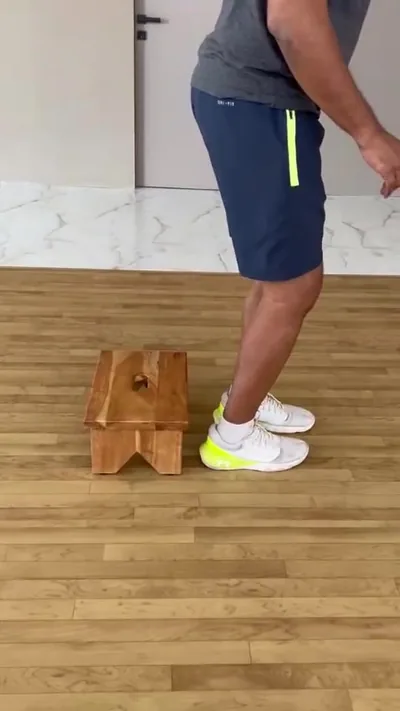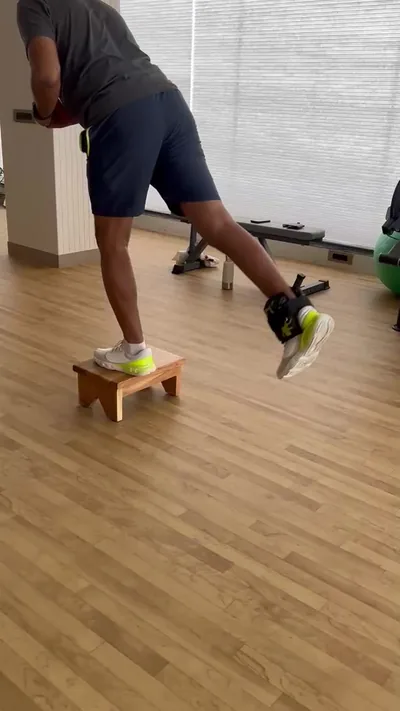
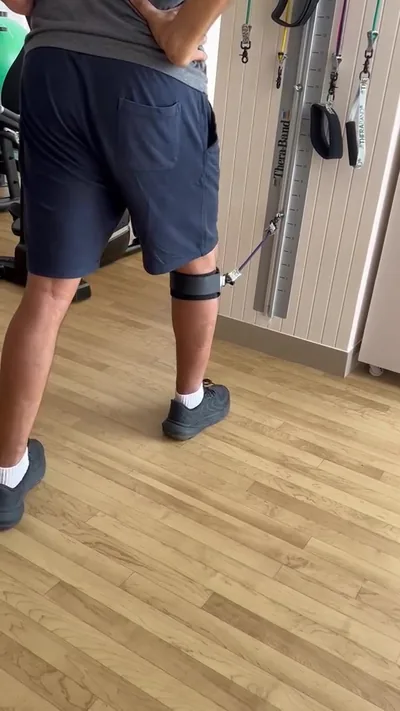
Backward Walking in ACL Rehab Phase 2
Backward walking helps athletes recover from ACL injuries. It builds knee stability in Phase 2 of rehab. This exercise targets quadriceps and improves control after surgery…
Read article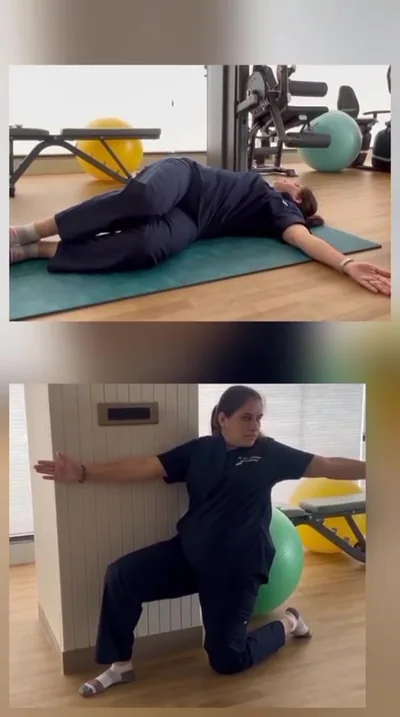

The short answer
Morning stiffness in rheumatoid arthritis makes getting out of bed difficult as joints feel tight, swollen and painful after sleep. Many middle-aged adults in Jaipur notice this in hands, knees, shoulders or back. Simple self-care steps like gentle movement, heat and routines can help reduce it naturally.
Morning stiffness in rheumatoid arthritis can make getting out of bed difficult. Joints feel tight, swollen and painful after sleep. Many middle-aged adults in Jaipur notice this stiffness in hands, knees, shoulders or back. Simple self-care steps can help reduce morning stiffness naturally and improve daily comfort.
These steps focus on gentle joint movement, heat and consistent routines. They support joint function but do not replace medical care or medication. Results vary from person to person. Always consult your doctor for rheumatoid arthritis management.
Morning stiffness in rheumatoid arthritis feels like difficulty moving joints after waking. The stiffness can last from minutes to hours. Joints may feel locked, swollen or warm. This happens because inflammation builds during sleep when the body is still.
It differs from normal stiffness that passes quickly after a few steps. In rheumatoid arthritis the stiffness often returns after periods of rest. Individual experience varies greatly. Some days may be easier than others. Factors like weather, activity level and overall health also play a role.
Consistent non-drug approaches such as movement, heat and gentle routines can support joint comfort throughout the day. These steps encourage blood flow and reduce the feeling of stiffness. They form part of daily self care for arthritis stiffness and help maintain mobility.
Self-care works best when done regularly. It does not cure rheumatoid arthritis or replace prescribed treatment. The goal is better daily function and comfort. Combining these habits with medical advice often gives the best results for people living with joint stiffness rheumatoid arthritis. Looking for a Physiotherapist in Jaipur? Our team in Vaishali Nagar, Jaipur can assess you in person.
Begin while still in bed with slow, pain-free movements. Ankle circles, wrist rotations and gentle shoulder rolls help wake up the joints. Perform each movement 5–10 times on both sides. Move only within a comfortable range.
Once out of bed, try standing marches or small knee bends while holding a stable surface. These simple actions promote gentle joint movement. Focus on slow control rather than speed. This warm up routine prepares the body for the day and helps reduce morning stiffness naturally.
Stop immediately if pain increases. The emphasis is always on comfort and safety for middle-aged adults.
A warm shower is one of the easiest ways to ease stiffness. Let the water flow over affected joints for 10–15 minutes. The heat helps relax muscles and improves flexibility before movement.
Moist heat packs or a warm towel can be used on knees, shoulders or hands. Apply for 10–15 minutes while seated. Light self-massage with oil in gentle circular motions may also help. These home techniques support the body’s natural response to stiffness when used at the start of the day.
Never use heat on inflamed or swollen joints without medical advice. Always test the temperature to avoid burns.
A 10–15 minute routine done most mornings can help manage RA stiffness without medicine. Clinical pilates-inspired moves focus on controlled breathing and core stability. Simple posture work such as seated shoulder blade squeezes improves alignment.
Include low-impact stretches like seated hamstring stretches, gentle neck tilts and wrist flexor stretches. Follow with a short walk or marching on the spot. Daily stretching and consistent movement build tolerance over time. Read more about our Orthopaedic Physiotherapy.
Sample sequence:
Intensity should remain low. Consistency matters more than effort on any single day. Adjust movements according to how your body feels.
Sleep position affects morning stiffness. Use a supportive pillow and avoid positions that strain the neck or lower back. Side sleeping with a pillow between the knees can help maintain neutral posture.
Stay hydrated throughout the day. Drink water at regular intervals. Simple posture reminders such as sitting tall while working or using a lumbar roll can reduce strain. Low impact activity like slow walking in the evening also supports overall joint health.
Joint protection techniques, such as using both hands to lift objects or avoiding prolonged gripping, help reduce the risk of extra stress. When stiffness persists or worsens, seek professional assessment at a physiotherapy centre. A physiotherapist can guide personalised rheumatoid arthritis exercises morning and check technique.
Inflammation in the joint lining increases during periods of inactivity. This leads to fluid build-up and the feeling of stiffness after sleep. The exact response differs between individuals.
In rheumatoid arthritis, stiffness often lasts longer than 30 minutes and sometimes for several hours. Duration varies widely from person to person and from day to day. You may also find Managing Morning Hand Stiffness in Rheumatoid Arthritis useful.
Gentle, regular movement and a short warm up routine can ease the feeling of stiffness. Exercise supports mobility but should always stay within pain-free limits and follow professional guidance.
Warm showers, consistent gentle joint movement, daily stretching, good sleep posture, hydration and posture awareness during the day all contribute to better comfort. Low impact activity also helps.
Visit a physiotherapist if stiffness limits daily activities, lasts longer than usual, or does not improve with basic self-care. A proper in-person assessment helps create a safe plan tailored to your needs.
Managing morning stiffness rheumatoid arthritis in Jaipur is possible with steady self-care. Gentle routines, heat and consistent movement support daily joint comfort. Listen to your body and avoid forcing any movement.
At Trivayu Physio Center in Vaishali Nagar we help people with rheumatoid arthritis improve mobility through guided exercise therapy, manual therapy and posture correction. Our team includes senior physiotherapists experienced in arthritis care.
Book an assessment with us. Call +91 90570 65065 or message on WhatsApp to arrange a convenient time. Early guidance can make daily activities easier.
Physiotherapy is not the right first step for everything. Seek medical assessment promptly if any of the following apply to you:
If you lose control of your bladder or bowels, develop numbness around the groin, or have chest pain or breathlessness, treat it as an emergency and go to hospital.
Backward walking helps athletes recover from ACL injuries. It builds knee stability in Phase 2 of rehab. This exercise targets quadriceps and improves control after surgery…
Read articleAfter ACL surgery, rebuilding knee strength takes time and care. ACL rehabilitation phases guide this process step by step. Phase 1 protects the graft and cuts…
Read articleAfter hip replacement surgery, dressing your lower body safely helps build independence. By week 6 of hip replacement recovery, many patients aim to dress without help.…
Read articleMessage us on WhatsApp with your main concern and preferred time, and we'll confirm your first visit the same day.