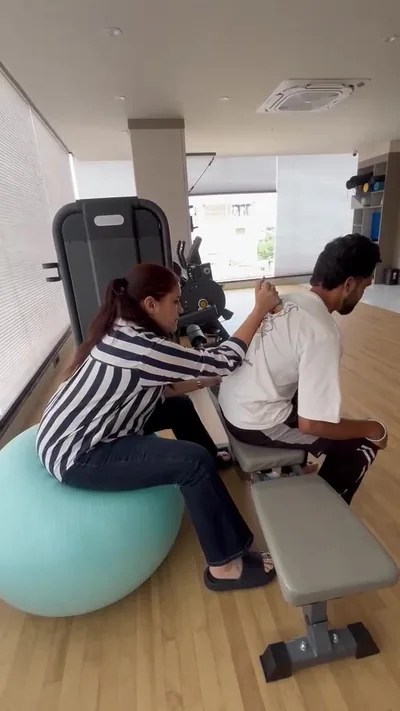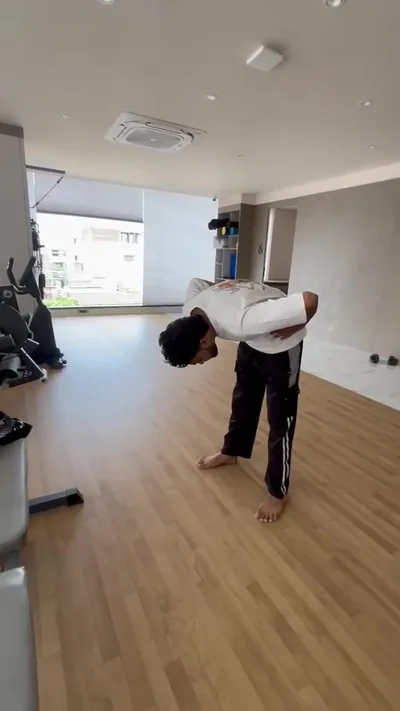
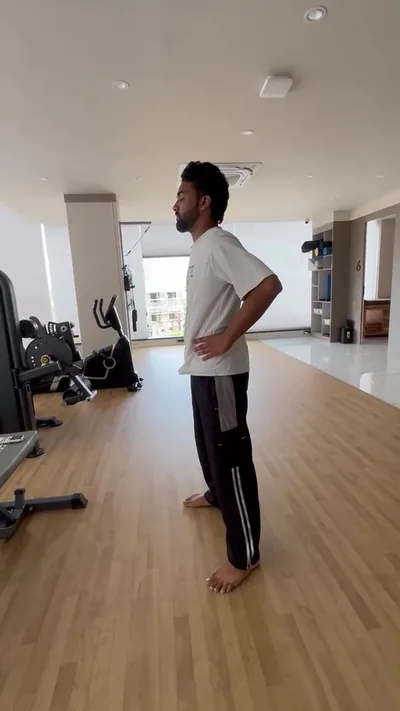
Is Side Bending Safe with L4 L5 Herniated Disc
An L4 L5 herniated disc happens when the disc between your fourth and fifth lumbar vertebrae bulges or ruptures. This presses on nearby nerves, causing pain…
Read article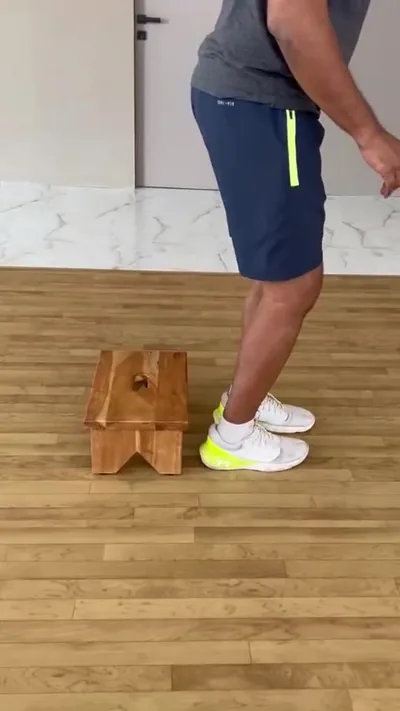

The meniscus tear squat test checks how far you can squat without knee pain. It helps runners assess knee function at home. This simple self-test looks at pain-free squat depth. It shows limits in knee movement for runners with knee pain.
A meniscus tear is damage to the knee’s cartilage pads that act as shock absorbers. The test flags possible issues but does not diagnose. See a physio for proper check. It focuses on squat depth where pain starts or stops.
Runners often try it first for runners knee pain. Pair self-tests with expert advice always. The test reveals if pain blocks full squat range.
Do this test safely at home on a flat surface. Wear stable shoes or go barefoot. Keep a chair nearby for support if needed. Warm up first with light walking to loosen knees.
Normal squat depth reaches thigh parallel to ground or lower without pain. Limited depth means you stop early due to knee discomfort. Pain-free depth shows good knee function. If pain limits you above parallel, note it for your physio visit.
Pain-free squat depth means you squat fully without knee hurt. This suggests no major block in movement. Limited depth with pain points to possible meniscus issue or other knee problem.
Signs suggesting meniscus trouble include pain on the inner or outer knee during squat. Clicking, catching, or locking sensations also flag concern. Pain that worsens with deeper squat often links to cartilage stress. Looking for a Rehabilitation Centre Near Me? Our team in Vaishali Nagar, Jaipur can assess you in person.
Other issues like muscle strain or tendon pain cause similar limits. Runners knee pain from overload mimics meniscus symptoms. This self-test has limits. It cannot tell meniscus tear from patellar pain or runner’s knee. Results guide you but need pro check. Track changes over time with repeat tests.
Runners face knee pain from high mileage, poor form, or sudden twists. Meniscus injuries happen from overload or rotation forces during runs. Runners knee pain often links to meniscus wear or irritation.
Common triggers include weak hips, tight quads, or uneven terrain. Squatting pain knee signals when cartilage cannot handle load. The test spots early limits before pain stops your runs.
Manual Therapy can ease joint stiffness here. Without check, small problems grow into chronic issues. Jaipur runners report knee squat test pain after long runs or hill work. More on Sciatica Treatment and how we assess it.
For self test knee meniscus, focus on squat quality. Test both knees side by side. Uneven depth or more pain on one side suggests injury side.
Combine squat test with simple meniscus injury test: Sit with knee bent at 90 degrees. Straighten knee slowly. Pain or click at 30 degrees bend often points to meniscus. This pairs with squat for better screen.
Avoid deep squats if pain starts early. Runners with squatting pain knee should cut mileage. Strengthen glutes and core to support knees. Use foam rolling for tight IT band in runners knee pain.
Meniscus injury test at home includes squat and straight-leg raise. Lie on back. Lift straight leg to 30 degrees. Pain or grind in knee flags cartilage issue.
Runners knee pain often feels like ache under kneecap or side pain. Squat test shows if pain blocks depth. Patellar pain eases with shallow squats; meniscus pain persists or worsens. You may also find Meniscus Injury Squat Test at Home useful.
Physio approach starts with gait check. They watch your run form for knee collapse. Hands-on exam tests joint play and stability. Expect questions on when pain starts: during run, after, or squat.
Pain free squat depth improves with graded exercises. Start shallow. Use wall support: Back to wall, slide down to 45 degrees hold. Build to full range slowly.
Physio guides progression. They check alignment first. Weak vastus medialis oblique (inner quad) causes knee wobble. Exercises target that for better squat control.
For runners, add single-leg squats. Go to pain-free depth only. This builds strength without overload. Track weekly squat depth to see gains.
If squatting pain knee limits you, physio assesses full chain. Hip flexibility affects knee load. Tight hamstrings pull on knee during squat.
They use taping for immediate support. Electrotherapy reduces swelling fast. Orthopaedic Rehabilitation rebuilds squat strength step by step.
Expect 45-minute sessions. First visit: History, squat watch, palpation. Home plan follows with daily exercises. Runners return to form without rush.
Book an in-person assessment at Trivayu Physio Center. Our team checks knee pain runners face. Locations in Vaishali Nagar and Vidyadhar Nagar suit Jaipur runners.
Dr. Jyoti Choudhary leads Orthopaedic Rehabilitation. She treats sports knee issues. Dr. Hritika Choudhary uses Electrotherapy for pain relief.
Call or WhatsApp +91 90570 65065. Hours: Monday to Saturday 8 am to 8 pm, Sunday 10 am to 1 pm. Get a full knee exam. Start with pain-free movement plan.
Stand feet apart. Squat slowly to pain-free depth. Note if you reach parallel. Repeat safely 3 times.
Pain before full squat suggests meniscus or other knee issue. It does not confirm tear. See physio for exam.
Yes, with squat test for pain-free depth. Use as first step. Pro assessment follows for accuracy.
If pain limits squat or lasts after rest. Runners with ongoing knee pain need check soon.
It screens pain-free squat depth well. Not fully accurate alone. Pairs with physio exam for best results.
They fix alignment, strengthen support muscles, ease joint stiffness. Graded exercises build depth safely.
Self-tests like meniscus tear squat help runners spot knee limits. Pain-free depth guides next steps. Trivayu Physio Center offers full assessment. Book now for runner knee pain relief. WhatsApp or call +91 90570 65065 to start.
Physiotherapy is not the right first step for everything. Seek medical assessment promptly if any of the following apply to you:
If you lose control of your bladder or bowels, develop numbness around the groin, or have chest pain or breathlessness, treat it as an emergency and go to hospital.
Truly thankful to Dr. Jyoti Choudhary and the entire team of Trivayu Physio Centre for their genuine care, humble behaviour, and excellent treatment.
Mahesh Dhaka, Google review
This is one patient's own account, published with consent on our reviews page. It describes their experience, not a predicted outcome. Individual results vary.
An L4 L5 herniated disc happens when the disc between your fourth and fifth lumbar vertebrae bulges or ruptures. This presses on nearby nerves, causing pain…
Read articleShopkeepers in Jaipur often stand for long hours behind counters. This prolonged standing can trigger sciatica pain. Sciatica happens when the sciatic nerve gets irritated, often…
Read articleHerniated disc night pain disrupts sleep for many. The disc bulge presses on nerves, causing sharp back pain or sciatica that flares up at night. Simple…
Read articleMessage us on WhatsApp with your main concern and preferred time, and we'll confirm your first visit the same day.