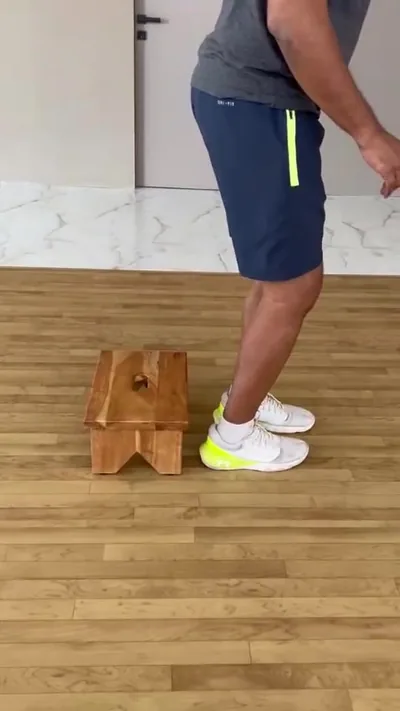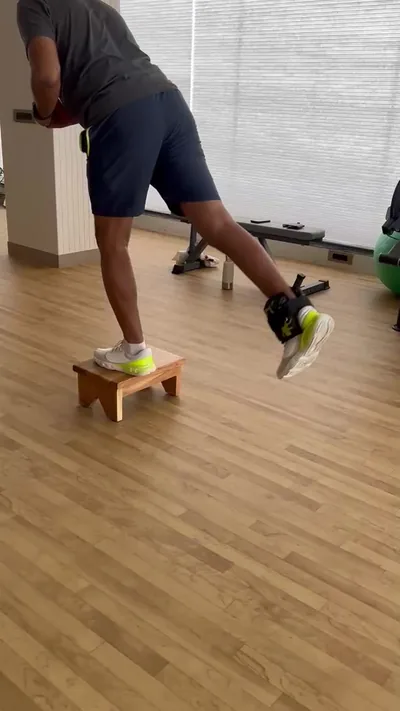
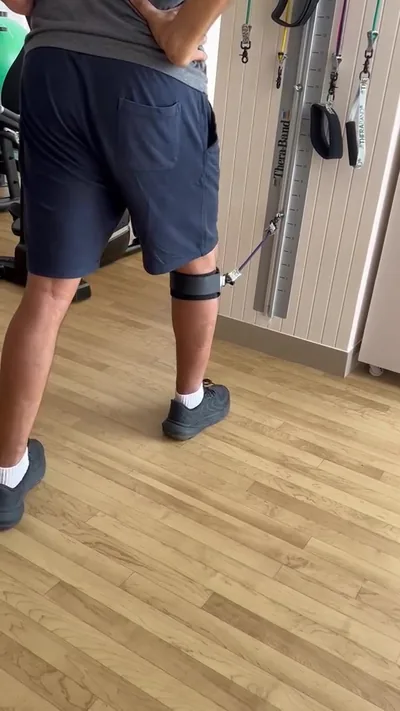
Backward Walking in ACL Rehab Phase 2
Backward walking helps athletes recover from ACL injuries. It builds knee stability in Phase 2 of rehab. This exercise targets quadriceps and improves control after surgery…
Read article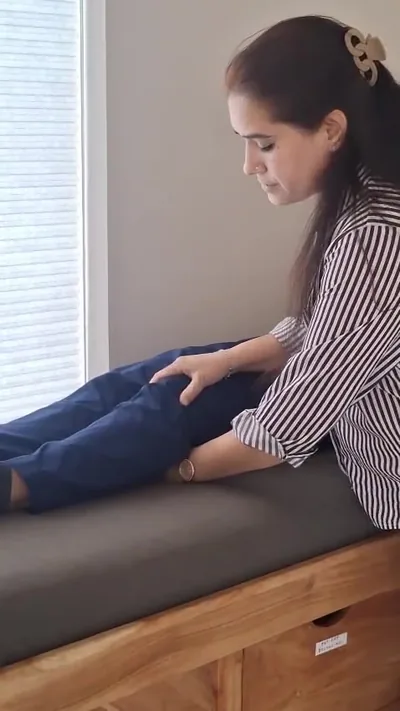
A meniscus injury squat test checks your knee at home. The meniscus is cartilage that cushions the knee joint. A tear often causes pain during squats. This self-test spots issues before seeing a physio.
In Jaipur, active adults get knee strain from sports or daily tasks. A pain-free squat test gives clues about meniscus health. It guides if you need help at Trivayu Physio Center in Vaishali Nagar.
This test is not a diagnosis. Use it as a safe self-assessment. Always seek in-person checks for accurate advice. Home checks suit quick monitoring but cannot replace a physio’s exam.
The test checks if you can squat without knee pain. It stresses the knee mildly to reveal tear signs. People with suspected tears use it as a first step. Looking for a Physiotherapy Clinic Near Me? Our team in Vaishali Nagar, Jaipur can assess you in person.
This home check shows how your knee handles weight and bend. Pain-free results suggest better function. Pain points to possible issues.
In Jaipur, people twist knees during cricket or walking. This knee squat test helps before a physio visit. A physio watches form, alignment and knee shift.
Before testing, note knee changes. Common signs include:
These point to meniscus issues. Spot them on stairs. A squat self-test can confirm discomfort.
Self-checks have limits and miss deeper problems. Book an assessment at Trivayu Physio Center. Watch for pain that worsens at night or after sitting.
Start with basic checks before squats. Sit and straighten one leg. Does it lock or tremble? Bend and straighten 10 times slowly. Note grinding or sharp pain.
Stand and shift weight side to side. Does one knee buckle? Press sides of knee while seated. Tenderness along joint line hints at issues. These form a safe routine.
Combine with touch test: lie on back, flex knee to 90 degrees, rotate foot in and out. Pain or resistance signals trouble. Do daily but gently. Stop if swelling grows. This builds a log for your physio. More on Ankle Pain Treatment and how we assess it.
Follow these steps for a safe squat test. Use a flat surface and stable shoes. Stop if pain starts. Warm up with 5 minutes marching in place.
Pain-free means no sharp discomfort. Mild stretch is normal. Try wall squat: back to wall, slide to 90 degrees, hold 10 seconds, rise.
Avoid if knee swells. Do not force depth. This is a guide. If pain hits, ice 15 minutes and elevate.
Shorten squat to quarter bend. Use chair behind—touch lightly on descent.
Widen feet or turn toes out 15 degrees. Hold counter. Slow pace: 4 seconds down, 4 up. Pause at bottom if no pain.
Inner knee pain? Weight on outer foot. Outer pain? Inner heel. Track what eases discomfort for physio notes. Never push sharp pain—rest.
Pain-free squats suggest good function for now. Continue light activity but monitor. Test weekly.
Pain flags issues. Sharp twinge, locking or building ache warrants physio. Results vary. Pain-free does not rule out tears. See physio if pain persists, swells or limits walk. Trivayu handles knee pain. Physios may add single-leg balance or McMurray’s test.
See physio if pain lasts days, knee swells despite rest, locks on stairs or feels unstable. Other signs: cannot fully straighten, pain twisting or recurring swelling. You may also find Meniscus Tear Squat Test Variations useful.
Physios assess gait, strength and range. At clinic, expect walk, squat and balance checks. They palpate joint line and test ligaments. Manual Therapy may ease stiffness, Orthopaedic Rehabilitation builds strength, and Electrotherapy reduces swelling if needed.
In-person checks test stability fully and plan rehab. First visit: 45-60 minutes for history, tests and home plan.
At Trivayu, Dr. Jyoti Choudhary has 17+ years in sports and orthopaedics. Dr. Hritika Choudhary leads post-op rehab. Dr. Ishu Sharma focuses on exercise therapy.
We offer home visits at Vaishali Nagar or Vidyadhar Nagar. Hours: Monday-Saturday 8 am-8 pm, Sunday 10 am-1 pm. Contact +91 90570 65065 or WhatsApp. Bring home test notes and symptom log.
A home move to check knee pain on squat. Reveals if bending loads meniscus painfully. Do slowly.
Feet apart, squat to parallel, rise. Note feel over 5 reps. Strict form. Mirror for knee tracking.
Stop. Rest and ice. Book physio. Try shallow squats next.
No. Needs pro check. Not a diagnosis. Physios use more tests.
If pain lasts days, swells, locks or limits tasks. Do not wait.
Yes, lightly under guidance. Tracks rehab progress.
History, squat test, palpation and special tests. Then exercises to protect knee.
Track knee wisely. Home tests guide but physio confirms. Book at Trivayu Physio Center today. WhatsApp or call +91 90570 65065.
Physiotherapy is not the right first step for everything. Seek medical assessment promptly if any of the following apply to you:
If you lose control of your bladder or bowels, develop numbness around the groin, or have chest pain or breathlessness, treat it as an emergency and go to hospital.
Truly thankful to Dr. Jyoti Choudhary and the entire team of Trivayu Physio Centre for their genuine care, humble behaviour, and excellent treatment.
Mahesh Dhaka, Google review
This is one patient's own account, published with consent on our reviews page. It describes their experience, not a predicted outcome. Individual results vary.
Backward walking helps athletes recover from ACL injuries. It builds knee stability in Phase 2 of rehab. This exercise targets quadriceps and improves control after surgery…
Read articleAfter ACL surgery, rebuilding knee strength takes time and care. ACL rehabilitation phases guide this process step by step. Phase 1 protects the graft and cuts…
Read articleAfter hip replacement surgery, dressing your lower body safely helps build independence. By week 6 of hip replacement recovery, many patients aim to dress without help.…
Read articleMessage us on WhatsApp with your main concern and preferred time, and we'll confirm your first visit the same day.