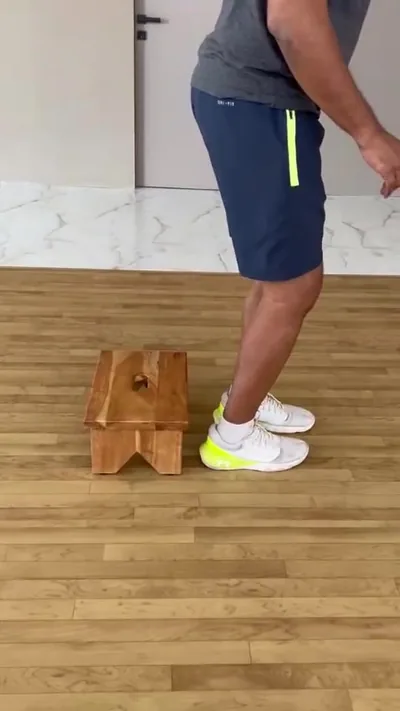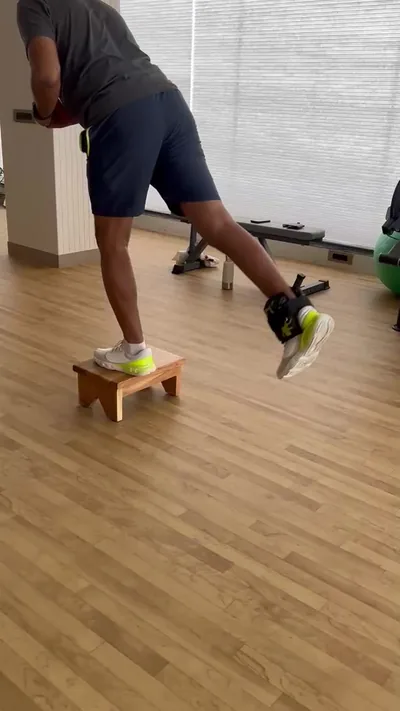
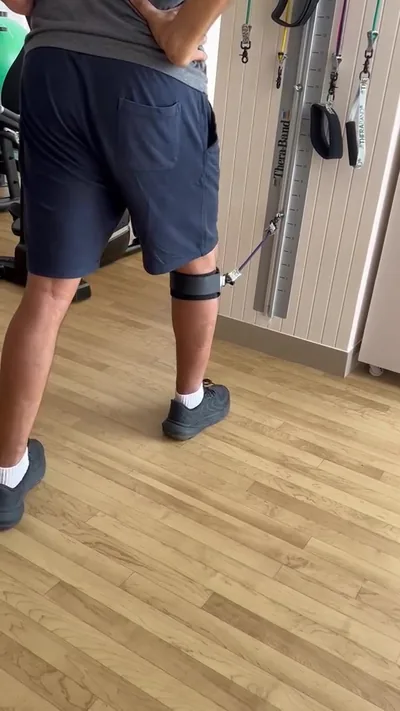
Backward Walking in ACL Rehab Phase 2
Backward walking helps athletes recover from ACL injuries. It builds knee stability in Phase 2 of rehab. This exercise targets quadriceps and improves control after surgery…
Read article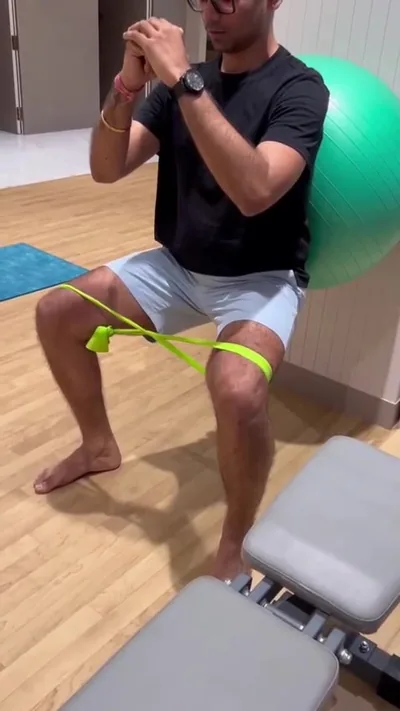
Meniscus tear in the knee causes sharp pain when kneeling for prayer. This injury affects cartilage that cushions the knee. Adults in Jaipur face it during namaz, especially sejdah. Pain disrupts worship.
Symptoms include swelling, stiffness, pain on twisting or squatting. Namaz kneeling worsens it. Physiotherapy helps manage this. Seek in-person assessment.
At Trivayu Physio Center, we support adapting namaz with knee injury and building strength. Start with changes and guidance.
Meniscus is C-shaped cartilage in the knee. It absorbs shock and stabilises the joint. Tears occur from twists, sports or wear. Kneeling compresses the damage.
Namaz involves kneeling into sejdah multiple times. This loads the knee. Symptoms: sharp twinges, locking, swelling after prayer, trouble standing.
Early signs: pop at injury, pain along joint line, swelling, stiffness, pain on rotation, catching. These match namaz flexion. Symptoms vary. Do not self-diagnose. Assessment rules out other issues. Early physio aids recovery.
Physiotherapists check for meniscus issues by asking about pain location. Pain often sits at the inner or outer knee edge. It sharpens with deep bends like sejdah. Swelling builds over hours after prayer. Stiffness sets in overnight, easing with heat but returning on load. Locking feels like the knee jams midway in rising from sejdah. A click or grind signals fragments shifting. Weakness makes the leg buckle during transitions. Track when pain starts: right at kneel, during hold, or on stand-up? Note if it throbs at rest or only moves. Looking for a Physiotherapy Near Me? Our team in Vaishali Nagar, Jaipur can assess you in person.
Namaz has standing, ruku, sejdah. Sejdah flexes knees fully with weight on shins. This stresses torn meniscus.
Sejdah bears weight in deep bend. Ruku twists slightly. Cycles irritate injury.
Sejdah flexes to 120-140 degrees, squeezing posterior horn. Rising shears fragments. Ruku loads at 60-90 degrees. Standing adds shear. Prayers repeat this 50-100 times daily.
Seek help if pain lasts, swells or limits walking. Adapt temporarily. Wear and tear tears build slowly in adults over 40. Sudden tears follow a twist while carrying loads up stairs, common in Jaipur homes. Sports like cricket add risk. Poor shoe grip on mats slips knees into awkward angles.
Adapt positions to reduce strain. Consult scholar and physio.
Options:
Start one change. Use knee pads. Rest. Track pain. Injured foot flat, knee bent. Chair at 90 degrees. Test before prayer. Practice full rakat sequence in slow motion first. If side kneel strains hip, switch to chair. Add soft mat under shins for any contact. Breathe steadily to relax muscles. More on Ankle Pain Treatment and how we assess it.
Build thigh and core strength. Avoid full kneel until pain-free. Practice modifications 5-10 minutes daily. Ice if swelling. Strengthen slowly: sit on chair edge, lift straight leg 10 times per side before prayer. Stand on both legs, shift weight gently side to side. Core planks on knees hold 10 seconds, build up. These prep for normal namaz. Track days without pain to gauge progress. Pair with weight management if needed, as extra load worsens knee stress.
Physiotherapy supports recovery. Manual Therapy eases stiffness. Orthopaedic Rehabilitation builds strength. Electrotherapy reduces swelling.
Check: Palpate joint, test stability, measure motion, McMurray’s test, watch squat.
Acute phase: RICE – rest by limiting bends, ice wrapped 15 minutes every 2 hours, compress with elastic wrap snug but not tight, elevate above heart when sitting. Taping: physio applies kinesio tape to support without restricting. Gentle glides: therapist moves knee side to side passively, 2 minutes per session.
Strength phase: Quad sets – lie back, tighten thigh front, hold 5 seconds, 10 reps, 3 times day. Straight-leg raises – lie back, lift leg 20 cm straight, hold 5 seconds, lower slow, 10 reps. Hamstring curls – stand, bend knee to pull heel back, hold 3 seconds, 10 reps. Bridges – lie back, lift hips with both feet flat, hold 5 seconds, 10 reps. Add ankle weights only after 2 weeks pain-free. You may also find Meniscus Tear Pain Kneeling for Prayer useful.
Functional phase: Partial squats to 60 degrees – feet shoulder-width, lower until thighs parallel to floor half-way, rise, 10 reps. Step-ups – use 15 cm step, lead with good leg up, injured follows, 10 each side. Single-leg stands – hold 20 seconds on injured leg, eyes open then closed for balance. Proprioception: stand on foam mat, shift weight front-back 1 minute.
Progress to namaz-specific: practice ruku bend holding wall, sejdah simulation on chair rising 10 times. Balance on bosu ball mimics mat shifts.
At Trivayu: exercise therapy, Myofascial Release, Class IV Laser, Dry Needling. Gradual return to namaz.
Book in-person for plans. Post-rehab, test full namaz weekly, stop if twinge returns.
Session 45-60 minutes. Discuss onset, pain, limits. Get exercises, handout.
Follow-ups adjust. Home exercises 20 minutes: 3×10 reps. Supportive shoes. Avoid stairs. Week 1 focus acute care. Week 2 add strength. Week 4 functional. Reassess motion range every visit. Use app or diary for reps logged. If swelling returns, drop to RICE.
Tear compresses in sejdah bends. Weight pinches damage. Repeated cycles shear edges.
Side kneeling, chair, props. Reduce load. Pair with physio. Practice daily.
If pain persists, swells, affects tasks. Early help prevents worsening. See after 1 week no ease.
Exercise therapy, laser, manual at Trivayu. Strength, pain relief. Adapted to namaz.
It eases pain via strengthening, swelling control. Results vary. Builds for full prayer.
Ice 15 minutes twice daily. Elevate. Avoid squats. Gentle flat walks. Quad sets 10 reps hourly.
Meniscus tear pain need not stop worship. Modifications and physio help. Trivayu guides you. Post meniscus tear rehab follows phases: protect, restore motion, strength, function. Expect checks on knee bend angle, strength grip with hand-held device, balance time. Home plan includes pictures of exercises. Jaipur heat may swell more; use fans, loose clothes. Combine with doctor if tear needs scan. Physiotherapy complements, does not replace medical view.
Book assessment. WhatsApp https://wa.me/919057065065 or call +91 90570 65065.
Physiotherapy is not the right first step for everything. Seek medical assessment promptly if any of the following apply to you:
If you lose control of your bladder or bowels, develop numbness around the groin, or have chest pain or breathlessness, treat it as an emergency and go to hospital.
Truly thankful to Dr. Jyoti Choudhary and the entire team of Trivayu Physio Centre for their genuine care, humble behaviour, and excellent treatment.
Mahesh Dhaka, Google review
This is one patient's own account, published with consent on our reviews page. It describes their experience, not a predicted outcome. Individual results vary.
Backward walking helps athletes recover from ACL injuries. It builds knee stability in Phase 2 of rehab. This exercise targets quadriceps and improves control after surgery…
Read articleAfter ACL surgery, rebuilding knee strength takes time and care. ACL rehabilitation phases guide this process step by step. Phase 1 protects the graft and cuts…
Read articleAfter hip replacement surgery, dressing your lower body safely helps build independence. By week 6 of hip replacement recovery, many patients aim to dress without help.…
Read articleMessage us on WhatsApp with your main concern and preferred time, and we'll confirm your first visit the same day.