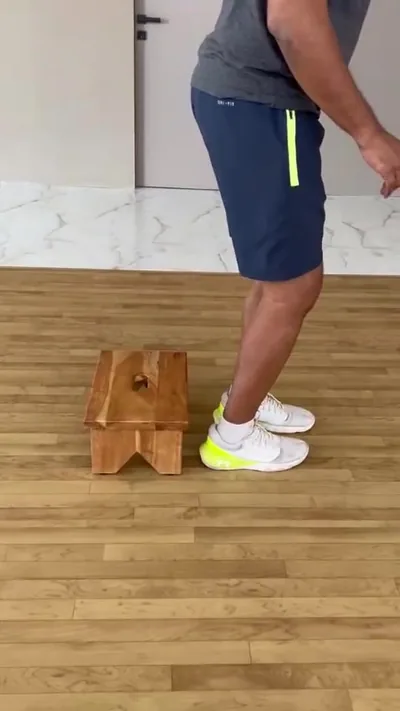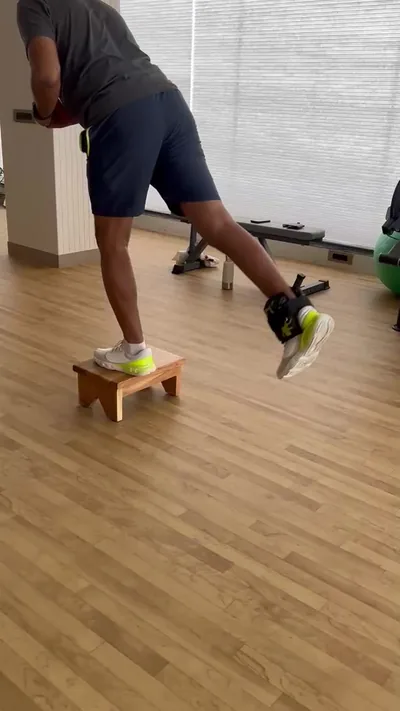
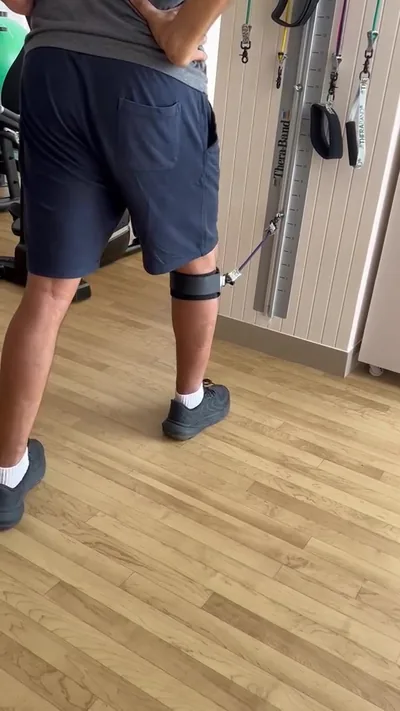
Backward Walking in ACL Rehab Phase 2
Backward walking helps athletes recover from ACL injuries. It builds knee stability in Phase 2 of rehab. This exercise targets quadriceps and improves control after surgery…
Read article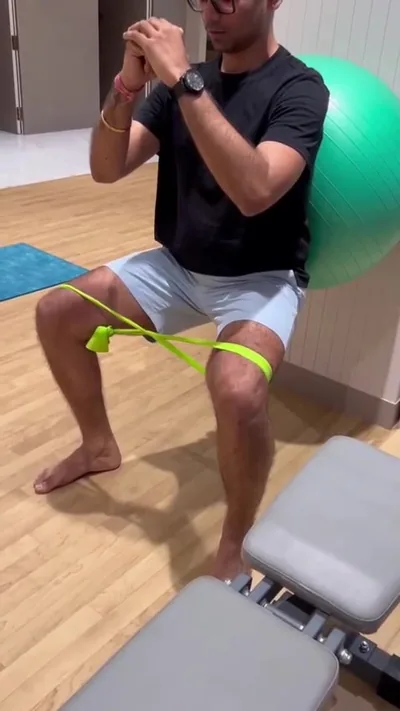
The meniscus is a C-shaped cartilage in your knee. It cushions the thigh bone and shin bone. A meniscus tear happens when this cartilage rips. This often occurs from twisting the knee or from wear over time. In prayer positions like sujood, the knee bends fully and presses against the floor. This squeezes the torn part. You feel sharp pain because the rip gets compressed. Swelling builds up, making the knee stiff. Floor kneeling knee pain worsens if you push through it. Active religious practitioners who do namaz five times a day often notice this during sujood or jalsa. Sudden twists in daily life can start the tear, but repeated kneeling keeps it irritated.
If knee injury prayer position causes pain every time, it may signal a tear. Other signs include a catching feeling or knee giving way. See a doctor first to rule out bigger issues. Physiotherapists then guide safe recovery.
A meniscus tear changes daily prayer. In sujood, full knee bend causes stabbing pain as the meniscus compresses. Jalsa, sitting on heels, stretches the back of the knee and pulls on the tear. Floor kneeling knee pain limits how long you can stay in position. You may rush rakats or cut namaz short. This disrupts focus and adds stress.
Pain signals your body to protect the knee. Ignore them, and damage grows. Prayer posture meniscus tear leads to limping or swelling after namaz. Past sports injury or heavy lifting can weaken the knee first. Over time, it affects how you sit cross-legged or stand up from the floor. Meniscus pain sujood makes you avoid deep bends altogether. Early care stops this cycle. A physio checks your gait and posture to link it to prayer habits. Looking for a Physiotherapy Clinic Near Me? Our team in Vaishali Nagar, Jaipur can assess you in person.
Adjust prayer to ease strain. These namaz knee modifications protect the knee while you pray. Always test slowly and stop if pain sharpens. A physio can show exact form.
These meniscus tear modifications namaz let you continue without full stop. They cut knee pain prayer kneeling right away. Combine with rest days if swelling starts. Over weeks, this builds tolerance as healing begins.
Physiotherapy aids recovery. Manual Therapy eases joint stiffness by gentle mobilisations. Orthopaedic Rehabilitation builds knee support with targeted strengthening. Electrotherapy reduces swelling and pain through controlled heat or waves. More on Knee Pain Treatment and how we assess it.
At Trivayu Physio Center, we use Class IV High Power Laser Therapy. It speeds healing in deep tissues like the meniscus. TECAR Therapy boosts blood flow to the knee, clearing fluid buildup. A physio starts with assessment: they test knee range, stability, and pain spots. Then tailor a plan for your namaz routine. Expect 20-30 minute sessions, 2-3 times a week. They teach how to enter sujood without twisting. Do not skip doctor check first for scans if needed.
What to expect in first visit: physio watches you kneel, notes pain triggers, and demos safe prayer moves. Home plan includes ice after namaz and elevation. Progress to weights only when stable.
Start simple exercises after pain eases. Do them under physio guidance. Aim for long-term relief and knee rehab for namaz. Warm up with 5 minutes walking. Breathe steady. Stop if sharp pain hits. You may also find Meniscus Tear Pain When Kneeling for Prayer useful.
Do 2-3 sets daily. Add resistance band later for more challenge. Physio tailors these for your pace. Track progress: note if sujood pain drops after two weeks. Combine with stretches like hamstring pulls to balance knee.
See a physio if pain lasts over two weeks, knee locks, swells, or gives way. Also if you hear pops or can’t bear weight. These need professional care. Do not wait for namaz to get worse.
Trivayu Physio Center is in Vaishali Nagar and Vidyadhar Nagar, Jaipur. Our team handles knee rehab. Dr. Jyoti Choudhary leads with sports and orthopaedic expertise. She checks how prayer affects your tear. Dr. Hritika Choudhary excels in post-op rehab. She guides safe return to floor sitting.
We offer clear explanations and patient care. Book assessment for meniscus tear floor sitting pain. Walk-ins welcome, but call ahead.
The tear gets compressed in sujood. Floor pressure pinches the rip. Twisting or wear causes the tear first. Prayer repeats the pinch.
Use cushions under knees. Lean forward. Or pray seated on a chair temporarily. Shift weight to good side.
Yes. It reduces pain, strengthens knee, and teaches safe moves for prayer. Includes laser and TECAR for fast relief.
If pain persists, knee swells, or locks. Get checked soon to avoid worsening.
Yes, with modifications like pads or chair. Avoid forcing painful positions. Physio helps return to full form.
Straight leg raises, knee extensions, wall sits, bridges, step-ups. Start slow with guidance.
Pain from meniscus tear should not stop your prayer. Simple changes and physio help. Contact Trivayu Physio Center for assessment. Call +91 90570 65065 or WhatsApp via the link.
“`
Physiotherapy is not the right first step for everything. Seek medical assessment promptly if any of the following apply to you:
If you lose control of your bladder or bowels, develop numbness around the groin, or have chest pain or breathlessness, treat it as an emergency and go to hospital.
Truly thankful to Dr. Jyoti Choudhary and the entire team of Trivayu Physio Centre for their genuine care, humble behaviour, and excellent treatment.
Mahesh Dhaka, Google review
This is one patient's own account, published with consent on our reviews page. It describes their experience, not a predicted outcome. Individual results vary.
Backward walking helps athletes recover from ACL injuries. It builds knee stability in Phase 2 of rehab. This exercise targets quadriceps and improves control after surgery…
Read articleAfter ACL surgery, rebuilding knee strength takes time and care. ACL rehabilitation phases guide this process step by step. Phase 1 protects the graft and cuts…
Read articleAfter hip replacement surgery, dressing your lower body safely helps build independence. By week 6 of hip replacement recovery, many patients aim to dress without help.…
Read articleMessage us on WhatsApp with your main concern and preferred time, and we'll confirm your first visit the same day.