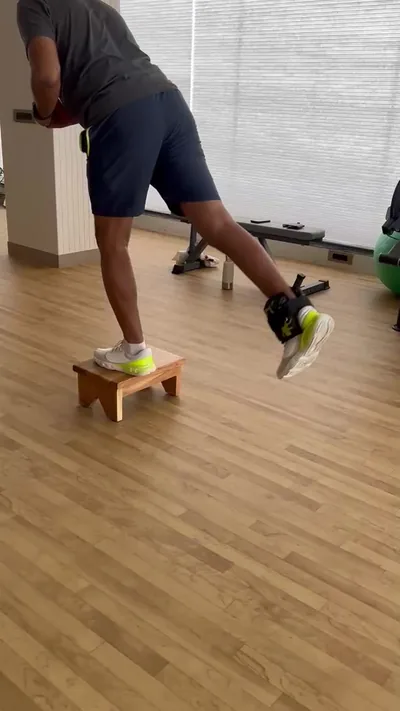
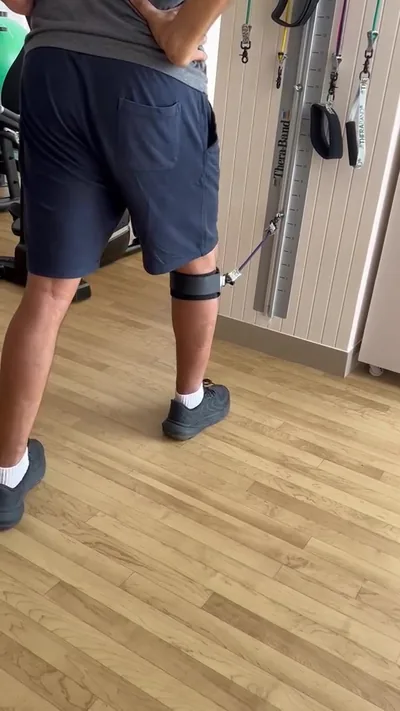
Backward Walking in ACL Rehab Phase 2
Backward walking helps athletes recover from ACL injuries. It builds knee stability in Phase 2 of rehab. This exercise targets quadriceps and improves control after surgery…
Read article

Meniscus tears cause sharp knee pain during stair descent. This injury affects knee cartilage. Active adults in Jaipur face it from daily stairs in homes and markets.
Stair descent stresses the knee more than ascent. Pain signals meniscus tear. Non-surgical management helps many return to activities without surgery. Jaipur physios guide safe stair use during recovery.
Meniscus is C-shaped cartilage between thigh bone (femur) and shin bone (tibia). It absorbs shock from steps and aids knee stability. Tears occur from sudden twists, sports or gradual wear in older knees.
Stair descent worsens pain as knee bends deeply under full body weight. Quadriceps muscle must control this lowering slowly. A tear disrupts smooth gliding, causing sharp pain on inner or outer knee. You may feel swelling, catching sensation or buckling where knee gives way mid-step.
Descent loads knee with three times body weight in eccentric contraction. Healthy meniscus spreads this force. Damaged one pinches or grinds, trapping bits of cartilage. Swelling builds after 10-20 stairs, limiting further movement. Pain may shoot to calf or feel like a block preventing full bend.
Jaipur homes often have 20-30 steps per floor. Multi-storey buildings add challenge. Non-operative meniscus tear management avoids surgery risks like infection. It uses rest, targeted strengthening and better mechanics to heal small tears or stable ones. Looking for a Physiotherapy Clinic Near Me? Our team in Vaishali Nagar, Jaipur can assess you in person.
Use controlled knee bending to protect meniscus during descent. Always hold railing firmly with one hand. Face stairs directly, feet shoulder-width apart for balance.
Lower body slowly over 3-5 seconds per step. Lead with good leg: step down first with uninjured side. Bend injured knee only as needed, about 30-45 degrees. Shift weight forward over front foot to unload back knee. Keep torso upright, not leaning back.
Avoid rushing steps, leaning back which overloads knee, locking injured knee straight, twisting foot outward or stepping too wide which stresses meniscus.
Practice on 2-3 steps first, using wall for support. Track pain on 0-10 scale; stop if over 4. Plan routes with fewer stairs, ramps or elevators in malls. Wear supportive shoes with good grip and cushioned soles, avoid sandals.
For knee pain descending stairs, ascend sideways if needed: lead with injured leg up, good leg follows. This reduces twist.
Meniscus injury rehab exercises build quadriceps strength for eccentric control needed in stair descent. Start pain-free. Progress slowly.
Isometric quad sets: Sit or lie with leg straight, roll towel under knee. Push knee down into towel, tighten quad for 5-10 seconds. Relax. 10 reps, 3 times daily. Builds activation without movement.
Straight leg raises: Lie on back, tighten quad, lift straight leg 20cm off floor. Hold 3 seconds, lower slowly over 3 seconds. 10 reps per side, 2 times daily. Strengthens without bending knee.
Mini squats: Stand against wall, feet shoulder-width. Slide down to 30 degrees knee bend, knees over toes. Hold 5 seconds, push up. 8-10 reps, 2 sets. Mimics controlled lowering. More on Ankle Pain Treatment and how we assess it.
Do exercises 2-3 times per week, not daily to allow recovery. Warm up with 5 minutes walking or bike. Stop if sharp pain. Ice knee 15 minutes after. Add gentle hamstring stretches: sit, reach for toes, hold 20 seconds, 3 times per side. For pain-free stair navigation knee, combine with technique practice twice weekly.
Physios tailor non-operative meniscus tear management plans. They assess your gait, knee range and stair descent form to spot weaknesses like weak quads or poor control.
Manual Therapy frees stiff joints and eases muscle tension. Electrotherapy cuts swelling with currents and ice. Orthopaedic Rehabilitation rebuilds strength step-by-step. They advance to sport-specific stair drills once stable.
Dr. Jyoti Choudhary, with 17+ years in orthopaedics, customises rehab based on tear type. Dr. Hrishika Choudhary applies electrotherapy for quick relief. Both teach home exercises with live demos and check form. Home visits suit busy Jaipur schedules. You may also find Meniscus Tear Physio Without Surgery in Jaipur useful.
A session lasts 45-60 minutes. Starts with history and tests like squat or hop. Treatment follows, ends with homework plan. They track progress weekly, adjust for swelling or pain. Expect gait retraining: physio walks behind you on stairs, cues “slow lower, weight forward”. Home program includes photos or videos of your form.
Start with RICE: Rest from painful stairs, Ice 15-20 minutes 3-4 times daily, Compression bandage snug not tight, Elevate knee above heart. Modify activities: avoid deep squats, pivots or running. Use crutches or single crutch on good side if weight-bearing hurts.
Follow doctor advice on anti-inflammatories. Week 1-2: partial weight-bearing with support. Week 3+: full weight with brace if needed. Week 4+: add strengthening. Eat protein-rich foods like dal, eggs, paneer to aid tissue repair. Monitor swelling daily; tape knee if puffs up.
Progress markers: pain-free flat walking, then short stairs, then full flights. Strengthen knee for stairs with consistent exercises. If no improve in 4-6 weeks, physio re-assesses.
See physio if stair pain lasts over 2 weeks, knee locks, gives way, swells often, causes limp or wakes you at night. Early help prevents worsening.
Trivayu Physio Center at 204, 2nd Floor, Om Tower, Gandhi Path, Nemi Nagar, Vaishali Nagar; Vidyadhar Nagar, Rangoli Gardens. Open Mon-Sat 8am-8pm, Sun 10am-1pm.
Time varies by tear size, age, activity level. Many see gains in weeks to months with consistent physio.
Eccentric step-downs, quad sets, mini squats, single-leg balance, heel drops.
Physio reduces pain through strengthening, form correction and swelling control. Helps many manage without surgery.
If sharp pain descending, swelling, catching or instability. Early visit speeds recovery.
Yes, with railing, good leg lead, controlled bending. Build up from few steps.
Eccentric load during controlled bend stresses the damaged cartilage.
Trivayu supports pain-free stair navigation knee. Book in-person assessment via WhatsApp +91 90570 65065 or call. Proper check creates your plan.
“`
*(Word count: 1,028)*
Physiotherapy is not the right first step for everything. Seek medical assessment promptly if any of the following apply to you:
If you lose control of your bladder or bowels, develop numbness around the groin, or have chest pain or breathlessness, treat it as an emergency and go to hospital.
Truly thankful to Dr. Jyoti Choudhary and the entire team of Trivayu Physio Centre for their genuine care, humble behaviour, and excellent treatment.
Mahesh Dhaka, Google review
This is one patient's own account, published with consent on our reviews page. It describes their experience, not a predicted outcome. Individual results vary.
Backward walking helps athletes recover from ACL injuries. It builds knee stability in Phase 2 of rehab. This exercise targets quadriceps and improves control after surgery…
Read articleAfter ACL surgery, rebuilding knee strength takes time and care. ACL rehabilitation phases guide this process step by step. Phase 1 protects the graft and cuts…
Read articleAfter hip replacement surgery, dressing your lower body safely helps build independence. By week 6 of hip replacement recovery, many patients aim to dress without help.…
Read articleMessage us on WhatsApp with your main concern and preferred time, and we'll confirm your first visit the same day.