Spine, Back & Neck Care··5 min read·Dr. Ajit Choudhary
Written by Dr. Ajit Choudhary, Senior Physiotherapist
B.P.T · Senior clinician
Published 12 October 2026
L5 S1 disc herniation can press on nerves, causing sciatica ankle weakness and risk of foot drop. Foot drop means you cannot lift the front of your foot properly. This leads to tripping or dragging the foot. Early action helps manage L5 S1 herniation symptoms like pain and numbness.
These L5 S1 foot drop exercises focus on ankle activation to support nerve recovery. They aim to build strength without strain. Start slow if you have severe L5 S1 disc herniation. Always get an in-person check from a physiotherapist first.
At Trivayu Physio Center in Vaishali Nagar, Jaipur, we guide patients on foot drop prevention L5 S1. Our team helps with personalised plans for sciatica foot drop rehab.
Understanding L5 S1 Herniation and Foot Drop Risk
The L5 S1 disc sits at the base of your spine, between the fifth lumbar and first sacral vertebrae. It cushions movement and supports weight. A herniation or bulge pushes out, pressing the S1 nerve root.
This affects ankle dorsiflexion, the action to lift your foot upwards. Foot drop causes disc bulge often starts with sciatica pain down the leg, tingling, or weakness in the foot. Without early intervention, severe cases worsen. Looking for a Rehabilitation Centre Near Me? Our team in Vaishali Nagar, Jaipur can assess you in person.
Early steps like gentle L5 S1 disc herniation exercises aid nerve recovery. But self-care alone may not suffice for bad cases. Book an assessment at Trivayu Physio Center, Vaishali Nagar or Vidyadhar Nagar, for a proper check.
Why Early Ankle Activation Matters for Prevention
Early ankle activation builds muscle strength around weak nerves from L5 S1 issues. It promotes blood flow for nerve recovery exercises. This counters foot drop causes disc bulge by keeping muscles active.
Signs of early foot drop include slapping your foot while walking, trouble lifting toes, or ankle weakness on stairs. Act soon to avoid progression. Manual Therapy can ease nerve pressure alongside these efforts.
Postural correction L5 S1 also helps, as poor posture strains the disc. Combine activation with good sitting habits for better results in physiotherapy for disc herniation. More on Ankle Pain Treatment and how we assess it.
Safe L5 S1 Foot Drop Exercises to Start at Home
These foot drop prevention L5 S1 exercises target ankle dorsiflexion and toe movement. Do them seated or lying to avoid back strain. Breathe steadily. Stop if pain increases. Aim for 2-3 sets daily, but listen to your body.
Progress slowly over days. Use a therapy band for resistance later if comfortable. See a physiotherapist before starting L5 S1 exercises Jaipur style at home.
Ankle Pumps: Sit with legs straight. Point toes down, then pull them up towards your shin. Feel the front ankle muscles work. Do 10-15 reps slowly.
Toe Lifts: Sit or lie down. Lift big toe while keeping smaller toes down. Then lift all toes together. Hold 3 seconds each. 10 reps per foot.
Resisted Dorsiflexion: Loop a light band around foot forefoot. Pull foot up against band pull. Hold 5 seconds. 8-12 reps. Skip band at first.
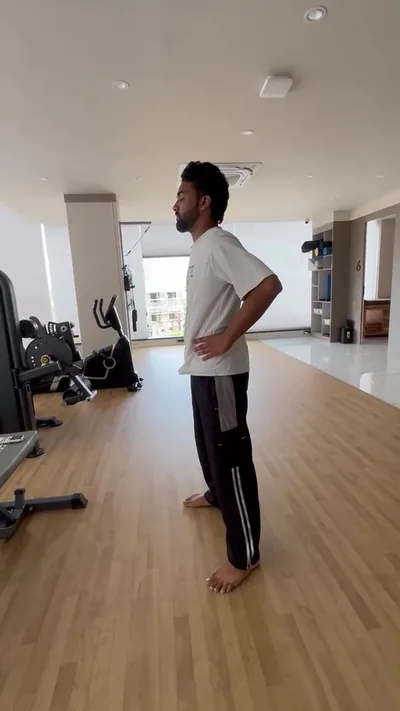
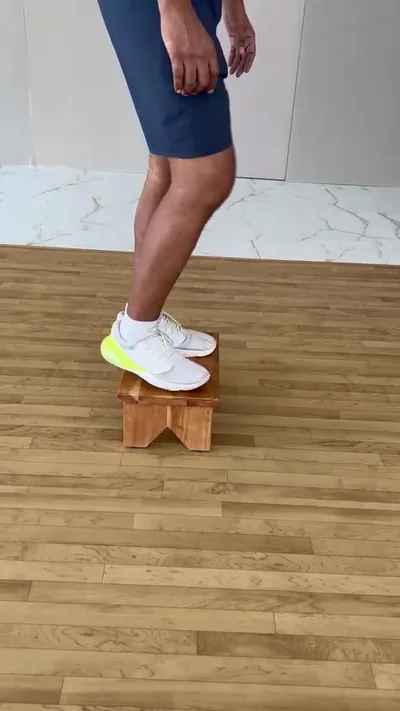
Heel Walks: Stand holding a chair. Walk forward on heels for 20 steps, lifting toes high. Rest and repeat. Builds early ankle strengthening.
Towel Scrunches: Sit with towel under foot. Scrunch it towards you using toes. 10-15 pulls. Aids toe activation for herniated disc.
Precautions: No exercise should cause sharp pain, numbness, or weakness increase. Warm up with gentle circles first. Track progress weekly.
Advanced Techniques at Trivayu Physio Center
For tougher L5 S1 cases, Trivayu offers Robotic Spinal Decompression Therapy to ease disc pressure gently. Dry Needling targets tight muscles around the nerve. Class IV High Power Laser Therapy reduces inflammation. You may also find L5 S1 Herniated Disc Foot Drop Exercises useful.
Our team, including Dr. Jyoti Choudhary with 17+ years in sports and orthopaedics, leads Orthopaedic Rehabilitation. Dr. Hritika Choudhary handles advanced electrotherapy and post-op rehab. Expertise covers knee ligament injury recovery and long-term injury rehabilitation.
We provide home visits, online consultations, and care at Vaishali Nagar or Vidyadhar Nagar. Friendly staff give clear explanations of treatment.
When to Seek Professional Help for L5 S1 Issues
Red flags include loss of bladder control, severe leg weakness, or foot drop that persists. Numbness in saddle area or sudden pain worsening needs urgent medical care.
Seek in-person assessment for tailored L5 S1 foot drop rehab. Do not rely only on home exercises for sciatica ankle weakness. At Trivayu, we explain your condition clearly and plan safe steps.
Contact +91 90570 65065 or WhatsApp for bookings. Open Mon-Sat 8 am-8 pm, Sun 10 am-1 pm.
Common questions
What causes foot drop in L5 S1 herniation?
L5 S1 herniation compresses the S1 nerve, weakening ankle dorsiflexion muscles. This leads to foot drop over time if untreated.
Can L5 S1 foot drop exercises prevent weakness?
Gentle exercises like ankle activation may help maintain strength and support nerve recovery. Results vary; professional guidance improves outcomes.
When to start ankle activation for L5 S1 disc?
Start early if you notice mild weakness or after doctor clearance. Avoid if acute pain exists.
Are home exercises safe for L5 S1 foot drop?
Simple ones are often safe if done gently. Get assessed first to ensure they suit your case.
How does physiotherapy help L5 S1 foot drop?
Physiotherapy uses targeted exercises, decompression, and therapies to reduce pressure and rebuild strength. It aids prevention and recovery.
Prevent foot drop slip disc with consistent early ankle strengthening. Recovery depends on many factors. Start with these L5 S1 foot drop exercises at home, but pair with expert care.
Book your assessment at Trivayu Physio Center today. WhatsApp +91 90570 65065 or call for quick help.
Physiotherapy is not the right first step for everything. Seek medical assessment promptly if any of the following apply to you:
A foot wound of any kind alongside feeling unwell in yourself: a temperature, shivering or shaking, confusion or unusual drowsiness, a fast heartbeat, or redness spreading up the foot or leg over hours. If you have diabetes and check your blood sugar, readings running high for no reason you can explain belong in the same picture. This needs emergency care the same day, not a physiotherapy appointment.
Any break in the skin on your foot, or a wound that is not healing: a blister, crack, cut or ulcer, including a small one that does not hurt at all. A wound deep enough that you can see fat, tendon or bone needs to be seen the same day.
Redness, warmth, swelling, pus or a bad smell around a wound, a toenail or between the toes
A foot that becomes hot and swollen and changes colour over a few days, with or without pain and with no injury you remember, or a new change in the shape of your foot such as a collapsed arch or a toe that has moved. Stay off that foot until a doctor has assessed it.
Skin on your foot or toes that has turned black, dark or hard
A foot or leg that turns cold, pale, mottled or blue, or circulation symptoms that come on quickly or suddenly get worse, which needs emergency care. Reduced sensation means this can happen with far less pain than you would expect, so do not wait for pain to tell you it is serious.
An ache or cramp in your leg when you walk that eases within a few minutes of resting, or foot pain at rest at night that eases when you hang your leg out of bed
Chest pain or tightness, pain spreading to your arm, neck or jaw, sudden breathlessness, sweating, or feeling sick during or after exercise. Stop straight away and get emergency care. Diabetes raises the risk of a heart attack, and breathlessness, sweating or nausea can be the symptom you notice rather than pain.
Sudden drooping on one side of the face, sudden weakness in one arm, or sudden trouble speaking, alongside a leg or foot that has just become weak, which is a stroke and needs emergency care immediately
Numbness or weakness that starts in both feet and climbs up both legs over hours or days, especially with any difficulty breathing or swallowing, which needs emergency care immediately
Loss of control over your bladder or bowels, or numbness around the groin, buttocks or inner thighs, alongside a weak or dropped foot, which needs emergency care immediately
A foot that has started slapping the floor, catching on steps or giving way
Pain following a significant fall, road accident or other major injury
Fever, chills or feeling generally unwell alongside the pain
Weakness that is getting worse, or numbness that is spreading
If you lose control of your bladder or bowels, develop numbness around the groin, or have chest pain or breathlessness, treat it as an emergency and go to hospital.
Safety limits and when this does not apply
Where protective sensation is lost, pain will not warn you that something is wrong. Look at both feet every day, including the soles and between the toes, using a mirror or asking someone to check for you, and report any new break in the skin the same day. Do not exercise barefoot: wear properly fitting shoes and check inside them for stones, grit or rough seams before every session.
Do not use heat on a limb with reduced sensation: no hot water bottles, heat pads, wax baths, hot packs or hot foot soaks. A burn happens before you feel it, so test water with your elbow or a thermometer, never with your foot. Ice, electrotherapy and laser are not applied over skin with reduced sensation or poor circulation without medical clearance.
If you have diabetes, exercise lowers your blood sugar during the session and for hours afterwards, including overnight. If you take insulin, or tablets such as gliclazide or glimepiride, check your sugar before and after, keep fast-acting glucose within reach at every session, and do not exercise alone soon after a low episode. Do not exercise on a day when your sugar is high and you feel sick, are very thirsty, are passing a lot of urine, or have ketones; contact your diabetes team first. Changing a medication dose is your diabetes doctor's decision, never your physiotherapist's.
Aggressive or end-range stretching, forceful joint mobilisation and rapid jumps in resistance are not appropriate on a limb with reduced sensation, because pain no longer signals tissue damage there. Load is increased gradually and under supervision. Numb feet and blood pressure that drops on standing also make falls more likely, so stand up slowly and do balance work beside a worktop, a wall or another solid support rather than in open floor space.
Weight-bearing exercise stops on a foot with an open wound, or on a foot that has become hot and swollen with a change in colour, until a doctor has assessed it. If you have not exercised for a long time, or you have heart disease, kidney disease or diabetic eye disease, get your doctor's clearance before starting; with proliferative diabetic retinopathy, check with the eye specialist already managing it before any heavy straining, breath-holding or jarring impact.
This article is general information. It is not an assessment of your problem, and it cannot account for your medical history, medication or imaging.
A patient's experience
Truly thankful to Dr. Jyoti Choudhary and the entire team of Trivayu Physio Centre for their genuine care, humble behaviour, and excellent treatment.
Mahesh Dhaka, Google review
This is one patient's own account, published with consent on our reviews page. It describes their experience, not a predicted outcome. Individual results vary.
Evidence. Guidance on musculoskeletal pain here follows the 3 sources listed under References above.
Clinical experience. Practical points on what tends to help in the clinic reflect the experience of the Trivayu physiotherapy team in Vaishali Nagar, Jaipur, and are not the same as trial evidence.
Opinion. Where we suggest a preference or an approach, that is our clinical judgement. Other qualified clinicians may reasonably differ.
An L4 L5 herniated disc happens when the disc between your fourth and fifth lumbar vertebrae bulges or ruptures. This presses on nearby nerves, causing pain…
Shopkeepers in Jaipur often stand for long hours behind counters. This prolonged standing can trigger sciatica pain. Sciatica happens when the sciatic nerve gets irritated, often…
Herniated disc night pain disrupts sleep for many. The disc bulge presses on nerves, causing sharp back pain or sciatica that flares up at night. Simple…