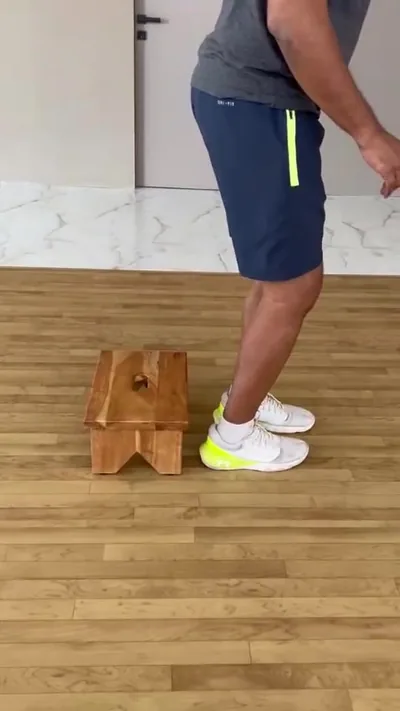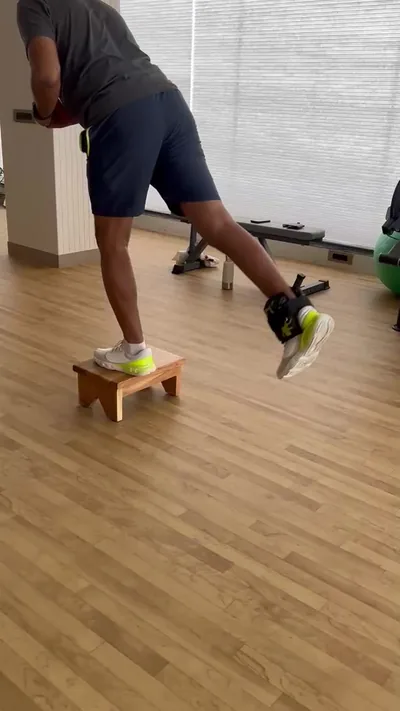
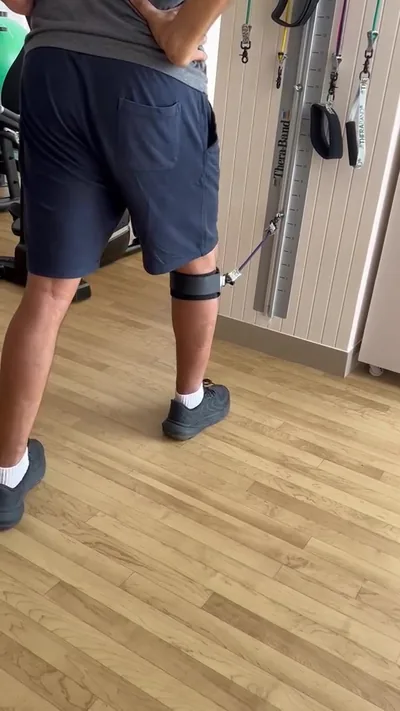
Backward Walking in ACL Rehab Phase 2
Backward walking helps athletes recover from ACL injuries. It builds knee stability in Phase 2 of rehab. This exercise targets quadriceps and improves control after surgery…
Read article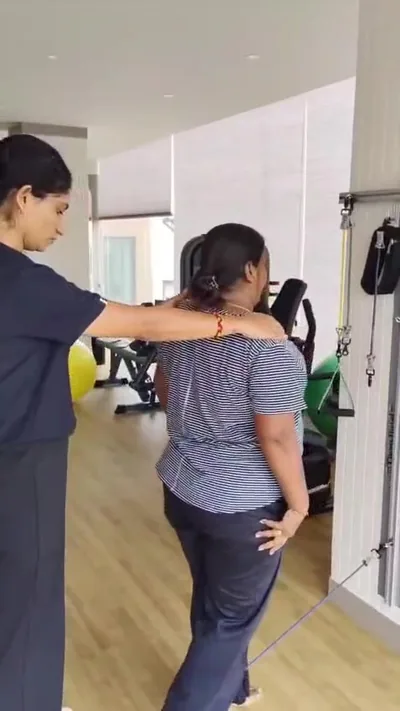

The L4-L5 disc sits between the fourth and fifth lumbar vertebrae in your lower back. It bears much of your body’s weight during standing or bending. A bulge happens when the disc’s outer layer weakens. The inner material pushes out and can press on nerves like the L5 nerve root.
Symptoms start with lower back pain. Pain can spread down one leg. You may feel sharp pain, burning or aching from buttock to calf or foot. Numbness or tingling follows the same path. Leg weakness makes muscles feel heavy. Your foot might drag when walking, or knee may buckle on stairs. Sitting compresses the disc further. Poor posture adds uneven load on L4-L5.
Leg weakness shows as quadriceps tiring fast, calf slowing pace or toes not lifting—foot drop. This varies by nerve compression. Seek in-person assessment. A physiotherapist tests muscle power, reflexes and sensation. They use tools like a pinwheel for nerve feel or measure leg lift strength. Do not self-diagnose. Early checks spot issues like spinal stenosis.
Physiotherapy Jaipur clinics see cases from desk jobs. A full exam includes posture check and movement tests. This guides disc bulge treatment.
Wrong moves worsen a disc bulge. Sudden forward bends, twists or heavy lifts squeeze the disc. This presses nerves, spiking pain and leg weakness. Safe back exercises build strength around the spine. They target core, glutes and legs to share the load. This reduces disc stress. Looking for a Physiotherapist in Jaipur? Our team in Vaishali Nagar, Jaipur can assess you in person.
Gentle strengthening improves leg strength after disc injury. It activates thigh, hip and calf muscles. Stronger muscles pull less on the spine. Start after physiotherapy assessment. A professional watches form and adjusts for pain, balance and habits. Tight hips from sitting need stretches first, then strength.
Physiotherapy guides safe progress. It spots risks like weak glutes causing sway-back posture. Avoid crunches or sit-ups—they round the spine and pinch nerves. Focus on neutral spine holds. Track walking distance without fatigue weekly. Combine with desk breaks.
Try these L4 L5 disc leg weakness exercises at home. Use a firm mat. Follow no-pain rule: stop if back or leg pain increases. Aim for 8-10 repeats per side, 2-3 times a day. Breathe out on effort. Build slowly. Stop and reassess if weakness worsens. More on Ankle Pain Treatment and how we assess it.
Warm up with 5-minute walk. Ice back 10 minutes if sore. Track repeats. If weakness persists or foot drags more, get assessed. Pair with Manual Therapy to loosen tight spots.
At Trivayu Physio Center, we tailor disc bulge treatment to exam findings. Manual Therapy eases tight muscles around L4-L5. Orthopaedic Rehabilitation builds strength from isometrics. Electrotherapy reduces nerve pain and swelling.
We use Robotic Spinal Decompression Therapy. It stretches the spine in cycles to relieve disc pressure. Sessions last 20-30 minutes. You lie comfortable as machine adjusts pull. Dr. Jyoti Choudhary, with 17+ years in sports and orthopaedics, assesses gait and customises rehab. Dr. Hritika Choudhary handles electrotherapy and home progressions. You may also find Slipped Disc L4 L5 Leg Weakness Exercises useful.
First visit: 45-minute exam plus treatment trial. We check range, strength and nerve tests. Locations in Vaishali Nagar and Vidyadhar Nagar. Hours: Monday-Saturday 8 am-8 pm, Sunday 10 am-1 pm. Book for physiotherapy Jaipur to match exercises to your needs.
Adjust desk setup. Screen top at eye level, 20 inches away. Keyboard for elbows at 90 degrees. Use chair with lumbar roll. Feet flat or on footrest. Stand hourly for 2-minute walks.
Skip exercises if pain over 4/10. Heat before, ice after. Track triggers like long drives. Do pelvic tilts: lie back, tilt pelvis to flatten spine, hold 5 seconds, 10 times.
A bulge presses L5 nerve root. This disrupts signals to leg muscles from thigh to foot. Sitting worsens disc bulge size.
Yes, if gentle and guided. Avoid bends, twists or weights over 2 kg. Get checked first.
Use bridges and marches. Progress holds then repeats. Pair with core work like dead bugs.
If weakness over 2 weeks, stumbling, numbness spreading, foot drop or bowel changes—see doctor first. Early physiotherapy prevents nerve damage.
Yes, start with marches and bridges. Book assessment for plan and checks.
Recovery from L4-L5 issues takes time. Safe habits and exercises support your spine. Professional input speeds gains.
Book at Trivayu Physio Center today. WhatsApp or call +91 90570 65065.
Physiotherapy is not the right first step for everything. Seek medical assessment promptly if any of the following apply to you:
If you lose control of your bladder or bowels, develop numbness around the groin, or have chest pain or breathlessness, treat it as an emergency and go to hospital.
Truly thankful to Dr. Jyoti Choudhary and the entire team of Trivayu Physio Centre for their genuine care, humble behaviour, and excellent treatment.
Mahesh Dhaka, Google review
This is one patient's own account, published with consent on our reviews page. It describes their experience, not a predicted outcome. Individual results vary.
Backward walking helps athletes recover from ACL injuries. It builds knee stability in Phase 2 of rehab. This exercise targets quadriceps and improves control after surgery…
Read articleAfter ACL surgery, rebuilding knee strength takes time and care. ACL rehabilitation phases guide this process step by step. Phase 1 protects the graft and cuts…
Read articleAfter hip replacement surgery, dressing your lower body safely helps build independence. By week 6 of hip replacement recovery, many patients aim to dress without help.…
Read articleMessage us on WhatsApp with your main concern and preferred time, and we'll confirm your first visit the same day.