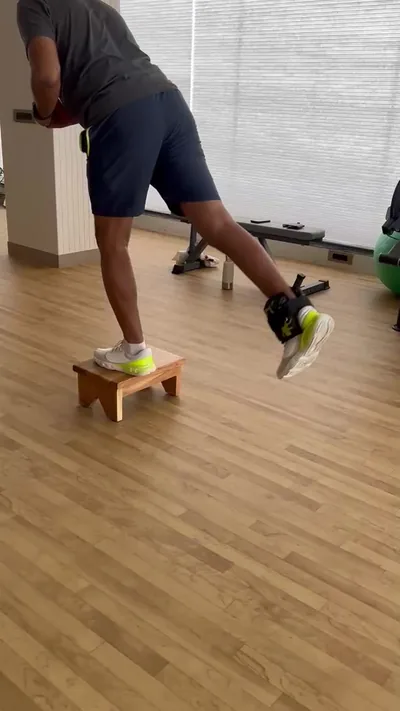
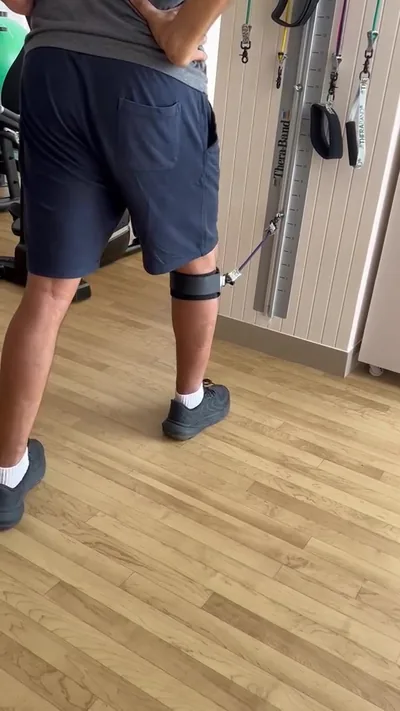
Backward Walking in ACL Rehab Phase 2
Backward walking helps athletes recover from ACL injuries. It builds knee stability in Phase 2 of rehab. This exercise targets quadriceps and improves control after surgery…
Read article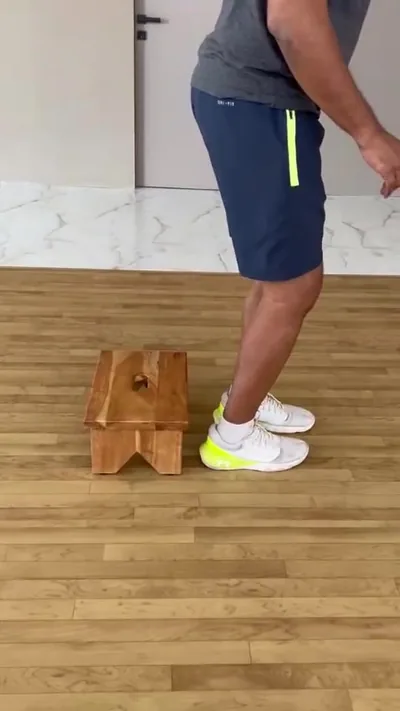
At week 3 after knee replacement, some redness around the wound is common. But worsening redness signals problems. Knowing normal swelling and redness helps spot issues early.
Wound healing includes inflammation, which brings redness and swelling. Most see changes by week 3. Track daily for safe progress. Get an in-person check, as recovery varies.
Trivayu Physio Center in Vaishali Nagar and Vidyadhar Nagar supports recovery. Focus on monitoring first.
By week 3, the wound edges pull together. A scab or crust forms over the incision. Mild redness is typical from inflammation as the body repairs tissue.
Normal redness stays around the edges and fades over days. It links to increased blood flow for repair. Age, health conditions like diabetes, or habits like smoking can slow fading.
Concerning redness spreads inward or outward from the scar. It may darken to purple or bright red. Watch it closely over 24 to 48 hours. See a doctor in person for post-op care.
Inflammation causes redness as white blood cells clean debris and fight germs. It peaks in week 1 but lingers mildly at week 3. Next, new tissue forms under the scab; redness softens to pink.
Swelling peaks in week 1 to 2, then eases. At week 3, expect puffiness around the knee and upper calf. It feels firm from fluid buildup, not soft like water. Looking for a Physiotherapy Near Me? Our team in Vaishali Nagar, Jaipur can assess you in person.
Normal swelling decreases daily with rest, elevation, and walking. The knee looks larger than the other side but improves with activity. Press gently; it indents slightly then rebounds. No shiny tight skin or numbness.
Home management: Elevate 3-4 times a day for 20-30 minutes. Lie flat with pillows under the calf, not under the knee. Avoid crossing legs.
Swelling worsens with heat, standing long, or salt-heavy food. Track by measuring knee circumference daily at the same spot, like widest part above kneecap. Note trends in a notebook.
Mild redness with decreasing swelling shows progress. The area feels warm to touch, not hot like a fevered brow. Pain eases weekly as stitches dissolve or come out.
Home observations include:
Track over 48 hours. If stable or lessens, healing continues. Use good hygiene: Wash hands with soap before checks. Swelling feels firm, not tight or pitting deeply. Press gently; no sharp pain on release.
Increasing redness beyond edges suggests infection. Check these signs:
Normal fades; infection grows fast. See a doctor if two or more signs appear. Contact your surgeon right away. Red streaks running up the leg, calf swelling, or foul odour mean go to hospital now. More on Knee Pain Treatment and how we assess it.
Do daily self-checks in morning and evening. Follow these steps:
Keep wound dry and clean. Pat dry after short showers—no baths yet. Cover with sterile dressing if advised. Change as surgeon says, usually every 2 days or if wet. Wash hands before any touch.
For swelling control, elevate above heart 3-4 times daily, 20 minutes each. Ice pack wrapped in cloth for 15 minutes, 3-4 times if doctor allows—never direct on skin. Avoid tight socks or bending knee fully.
Week 1: Inflammation phase with redness, warmth, swelling. Wound open, oozing clear fluid. Pain highest.
Week 2: Proliferation starts. New skin grows from edges. Scab thickens. Swelling peaks then drops. Redness at edges.
Week 3: Edges join. Redness fades to pink, scar flattens slightly. Wound half original length in openness. Swelling eases with walking. Knee bends to 90 degrees without sharp pain is typical progress.
Weeks 4-6: Remodelling. Scar turns white, softens. Full closure. Strength builds with exercises.
Slow healing shows as widening gap, more leak, or no size drop. Eat protein-rich foods like dal, eggs, paneer if allowed by diet. Stay hydrated, 2-3 litres water daily. Rest but move as guided.
Early infection signs: Calf tenderness on squeeze, sudden swelling increase, blue or pale toes, groin lymph nodes swollen. Track body temperature twice daily with same thermometer.
If suspected, note all symptoms with times. Do not apply heat or squeeze. Surgeon may clean wound in clinic, start antibiotics by mouth or drip, or order blood tests and scan. Catch early for simple fix. You may also find Knee Replacement Wound Week 3: Normal Healing Signs useful.
Walk short distances with walker or crutches, increase 5 minutes daily if pain-free and steady. Put full weight on knee unless told otherwise. Avoid stairs until surgeon clears—use rail if must.
Exercises: Tighten thigh muscle (quad sets) for 5 seconds, 10 times hourly. Straight leg raises: Lie flat, lift straight leg 15 cm, hold 5 seconds, 10 times 3x day. Ankle circles 10 each way hourly.
Nutrition: Protein for tissue repair—dahi, chicken, nuts. Vitamin C from amla or oranges for healing. No raw salads if immunity low.
See surgeon first if wound concerns. For rehab after clearance, visit physiotherapist. Post-Surgery & Joint Replacement Rehab at Trivayu aids recovery. They assess wound directly, test knee bend and strength, plan custom exercises, guide crutch use.
Orthopaedic Rehabilitation if joint stiffness or pain lingers. Team includes Dr. Jyoti Choudhary (17+ years orthopaedics) and Dr. Hritika Choudhary (post-op rehab). Use Manual Therapy to ease tight tissues and Electrotherapy for pain relief where needed.
Book in-person assessment soon. Physiotherapists watch swelling daily, adjust walking plans, teach safe massage around scar.
Mild redness common as inflammation settles. Stays at edges, fades. Monitor if spreads.
If increases, spreads with heat, pus, fever, severe pain, streaks, or smell. Seek doctor same day.
Daily: Colour, temperature, swelling measure, pain log, discharge note, pulses. Photo and compare legs.
Keep clean, dry. Elevate often. Ice if allowed. Loose cotton clothes. Gentle approved walking. Rest elevated.
Spreading redness, hot skin, pus, fever, bad pain, streaks, calf ache, blue toes. Log and call doctor.
Yes, after surgeon clearance. Checks swelling, guides safe movement, teaches scar massage. Book at Trivayu for Post-Surgery & Joint Replacement Rehab.
Track redness and swelling at week 3 closely. Normal patterns fade steadily; worries need prompt action. Home checks spot changes early, but always get professional in-person input. Steady care with exercises builds knee strength safely.
Book at Trivayu Physio Center. WhatsApp +91 90570 65065 or call.
Physiotherapy is not the right first step for everything. Seek medical assessment promptly if any of the following apply to you:
If you lose control of your bladder or bowels, develop numbness around the groin, or have chest pain or breathlessness, treat it as an emergency and go to hospital.
Truly thankful to Dr. Jyoti Choudhary and the entire team of Trivayu Physio Centre for their genuine care, humble behaviour, and excellent treatment.
Mahesh Dhaka, Google review
This is one patient's own account, published with consent on our reviews page. It describes their experience, not a predicted outcome. Individual results vary.
Backward walking helps athletes recover from ACL injuries. It builds knee stability in Phase 2 of rehab. This exercise targets quadriceps and improves control after surgery…
Read articleAfter ACL surgery, rebuilding knee strength takes time and care. ACL rehabilitation phases guide this process step by step. Phase 1 protects the graft and cuts…
Read articleAfter hip replacement surgery, dressing your lower body safely helps build independence. By week 6 of hip replacement recovery, many patients aim to dress without help.…
Read articleMessage us on WhatsApp with your main concern and preferred time, and we'll confirm your first visit the same day.