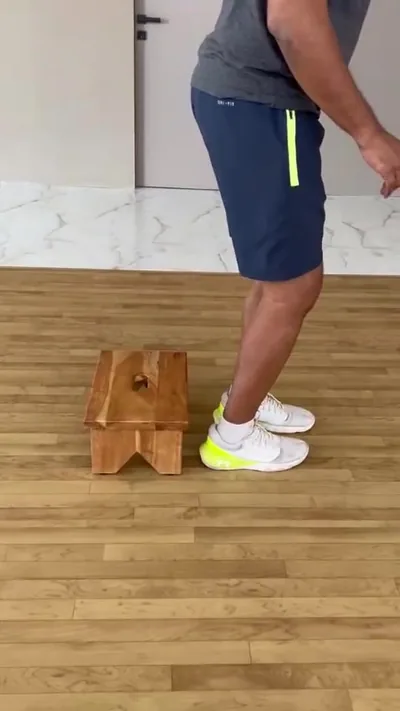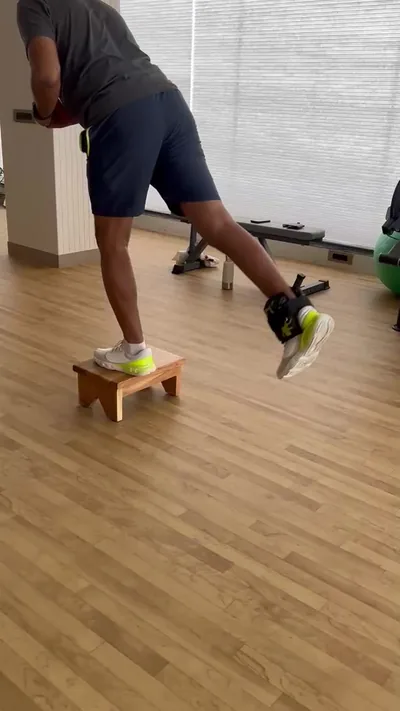
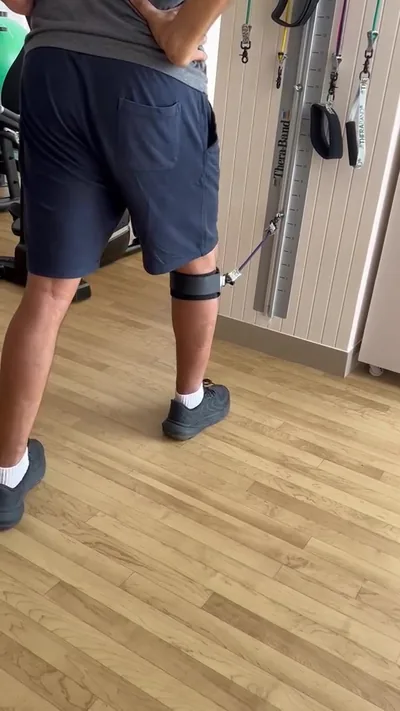
Backward Walking in ACL Rehab Phase 2
Backward walking helps athletes recover from ACL injuries. It builds knee stability in Phase 2 of rehab. This exercise targets quadriceps and improves control after surgery…
Read article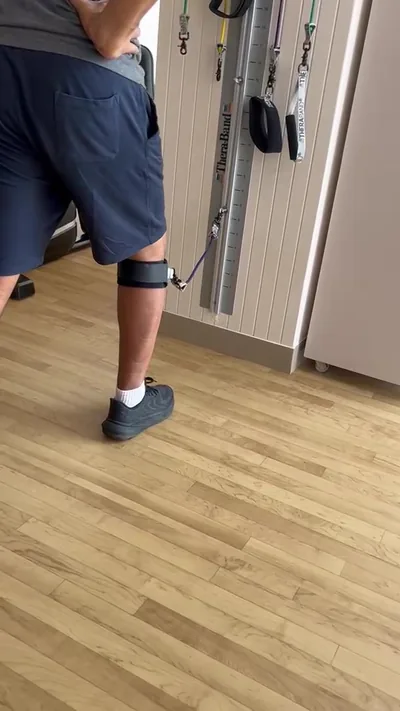
After knee replacement surgery, the incision site needs time to heal. A wound infection happens when germs enter the surgical cut, causing problems. This can delay recovery if not caught early. Week 3 is especially important because the outer skin should be closing, but deeper tissues are still healing. Signs of infection at this stage can be subtle at first. In Jaipur’s warm climate, sweat and humidity can make infections more likely if you do not keep the area clean. Always compare the operated knee to the other leg to spot differences.
Signs of infection can appear suddenly or build over days. A superficial infection stays near the skin. A deeper one may affect the joint itself, which needs urgent attention. Early signs include sudden pain increase, but also subtle changes like slight warmth or slight redness spreading outward from the incision. If you notice any doubt, do not wait for it to worsen.
Monitor your knee daily in week 3. Check the incision twice a day after washing. Use good light and a mirror if needed. Here are the main signs to watch:
Other signs to watch: sudden calf pain (could be clot, not infection), or redness tracking up the leg. Note all symptoms with times and share with your doctor.
If you see knee replacement infection signs, do not wait. Contact your surgeon or nearest hospital right away. Describe symptoms clearly: “My incision has red swelling and yellow discharge at day 21 post-op.” Do not apply creams unless advised. Do not cover with tight bandages. Looking for a Physiotherapist in Jaipur? Our team in Vaishali Nagar, Jaipur can assess you in person.
At Trivanga Physiotherapy Center in Vaishali Nagar, Jaipur, our physios check wounds at every session. We stop exercises if we see early signs and refer you back to your surgeon. For post-op knee rehab in Jaipur, we teach you how to clean the wound safely before exercise.
Good post knee replacement wound care lowers risks. Always wash hands with soap for 20 seconds before touching the knee. Clean the incision daily with saline as your surgeon advises. Pat dry with clean towel, no rubbing. Use sterile gauze if needed.
Avoid submerging the knee in baths or ponds until your doctor says. In Jaipur’s dusty roads, cover the dressing during travel. Wear loose cotton clothes to wick sweat. Change dressings as instructed, usually every 2-3 days. If dressing sticks, soak with saline to loosen.
Control blood sugar if diabetic, as high sugar slows healing and raises infection risk. Eat protein-rich foods like dal, paneer, eggs, and green vegetables. Drink 2-3 litres water daily. Avoid smoking, as it impairs blood flow to the wound. More on Knee Pain Treatment and how we assess it.
Move as advised: gentle ankle pumps to keep blood flowing, but no deep knee bends until cleared. Balance rest with light activity to avoid clots, which can mimic infection.
Physiotherapy starts soon after surgery to prevent stiffness. At Trivunch Physiotherapy Center, we tailor post-op knee rehab to your stage. Our team, led by Dr. Jyoti Choudhary, uses electrotherapy to reduce pain and swelling without stressing the wound. We teach safe ways to sit, stand and walk.
First sessions focus on ankle and foot movements to build circulation. By week 3, we add knee slides on bed, heel slides, and straight leg raises if your wound is healing. We check your range: aim for 90 degrees bend by week 3 if no issues. You may also find Week 3 Knee Replacement Wound Infection Signs to Check Jaipur useful.
We use Manual Therapy to loosen tight muscles around the knee. We teach balance exercises to prevent falls. Each session 45-60 minutes, 2-3 times weekly. We explain why each exercise helps: to build quad strength, improve gait.
Our second location in Vidyadhar Nagar has easy parking. For post-op knee rehab in Jaipur, we monitor for infection signs at every visit. We work with your surgeon for safe progress.
Physio does not treat infection – that needs doctor first. Once infection is ruled out or treated, physio restarts. If you have mild redness but no fever, physio can continue with modifications. We assess gait to see if infection is causing limp.
Look for increasing redness around knee incision, new swelling, warmth, pus from knee wound, fever after knee surgery, or pain worsening at week 3. These knee replacement infection signs need prompt check.
Some mild redness may linger, but if it spreads, darkens, or comes with other signs, it may signal infection. Contact your doctor to assess.
Worry if swelling grows after week 2, feels tight, or pairs with pain, redness, or fever. Do not ignore it; seek medical view.
Early action and good habits keep your knee healing well.
Physiotherapy is not the right first step for everything. Seek medical assessment promptly if any of the following apply to you:
If you lose control of your bladder or bowels, develop numbness around the groin, or have chest pain or breathlessness, treat it as an emergency and go to hospital.
Truly thankful to Dr. Jyoti Choudhary and the entire team of Trivayu Physio Centre for their genuine care, humble behaviour, and excellent treatment.
Mahesh Dhaka, Google review
This is one patient's own account, published with consent on our reviews page. It describes their experience, not a predicted outcome. Individual results vary.
Backward walking helps athletes recover from ACL injuries. It builds knee stability in Phase 2 of rehab. This exercise targets quadriceps and improves control after surgery…
Read articleAfter ACL surgery, rebuilding knee strength takes time and care. ACL rehabilitation phases guide this process step by step. Phase 1 protects the graft and cuts…
Read articleAfter hip replacement surgery, dressing your lower body safely helps build independence. By week 6 of hip replacement recovery, many patients aim to dress without help.…
Read articleMessage us on WhatsApp with your main concern and preferred time, and we'll confirm your first visit the same day.