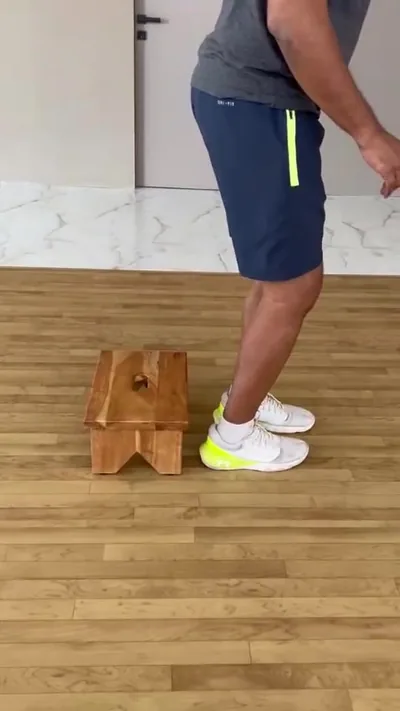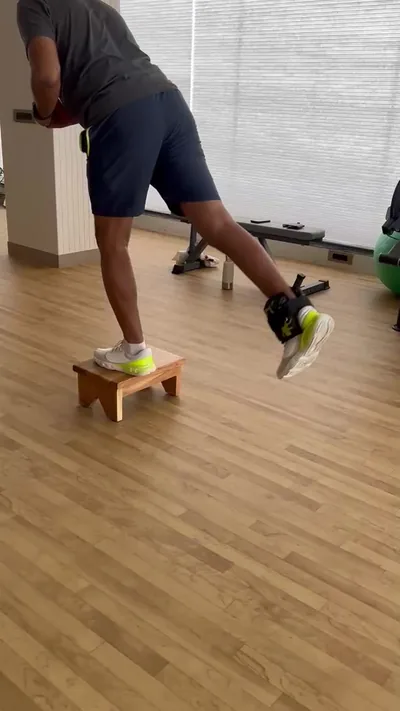
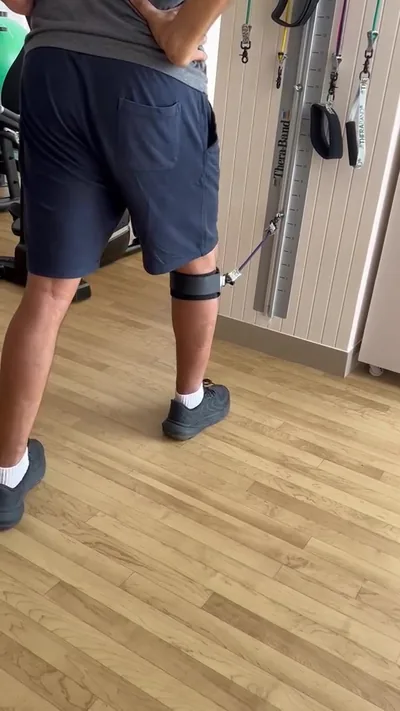
Backward Walking in ACL Rehab Phase 2
Backward walking helps athletes recover from ACL injuries. It builds knee stability in Phase 2 of rehab. This exercise targets quadriceps and improves control after surgery…
Read article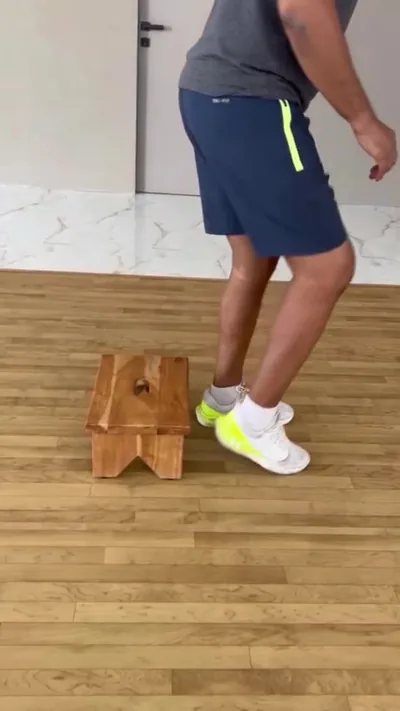

A knee replacement wound infection can happen soon after surgery. It needs quick notice to avoid problems. In the first two weeks, watch your incision closely. Early signs help you get help fast. This keeps recovery on track.
At Trivayu Physio Center in Vaishali Nagar, Jaipur, we guide patients through post-surgery care. Our team knows knee replacement recovery well. We stress checking for infection signs daily. Proper monitoring leads to better healing.
Understanding these signs matters for anyone after knee surgery. Now, let’s cover the key points step by step.
Knee replacement wound infection means germs enter the surgical cut. This leads to swelling and other issues. It can slow healing or cause bigger health risks.
It happens when bacteria get into the wound during or after surgery. Poor hygiene, weak immunity or dirty hands raise the chance. Not everyone gets it, but risks exist.
The first two weeks are key. Your body fights germs best early. Watch daily for changes. If signs appear, contact your doctor at once. Delaying can spread the infection deeper. A physiotherapist checks these during rehab sessions. They note skin changes and advise on next steps.
Spot these signs soon after knee surgery. They show possible infection. Check your wound twice a day. Use good light. Compare to the other leg. Note changes from day to day.
Normal healing brings mild redness and some swelling at first. These fade in days. Infection signs grow worse instead. Keep a daily log. Write down redness size, swelling feel, pain level from 1 to 10, and temperature. Share it with your doctor or physio. Looking for a Physiotherapy Clinic Near Me? Our team in Vaishali Nagar, Jaipur can assess you in person.
Act fast on red flags. Do not wait for your next check-up. Go to a doctor or hospital right away if you see one or more of these:
Normal healing pain eases slowly. Infection pain builds. Swelling from healing reduces with ice and raise. Infection swelling stays or grows. Call your surgeon if unsure. They may ask for photos of the wound or a quick visit.
A physiotherapist spots these during sessions. They pause exercises if signs appear. They teach you to test knee bend gently. Stop if pain jumps. Expect them to glove up and inspect without touching unless needed.
Good habits cut infection risk. Follow these tips daily. Start them from hospital discharge.
Physiotherapy helps safe recovery. Post-Surgery & Joint Replacement Rehab builds strength without stress. It aids healing while you watch for issues. Our Jaipur clinic teaches these moves right. Expect gentle slides first, then bends as wound heals.
Physio starts soon after surgery, often day one in hospital. It prevents stiffness and builds motion. At Trivayu Physio Center, we tailor plans to your needs. A session lasts 45 minutes. You sit or lie as needed. More on Knee Pain Treatment and how we assess it.
Manual Therapy eases tight tissues gently. The physio uses hands to stretch calf and thigh softly. It improves blood flow without opening the wound. They check skin colour and warmth each time.
Orthopaedic Rehabilitation follows. It includes guided walks with a walker. Start with 5-10 steps. Add knee lifts when safe. We watch for limping that hides pain.
Electrotherapy cuts pain and swelling safely. Pads send mild waves to ease hurt. No direct wound contact. Sessions feel like a tingle, not shock.
We check your wound at each visit. Note redness edges or fluid. If swelling knee replacement worsens, we stop and refer back to surgeon. Dr. Jyoti Choudhary and Dr. Hritika Choudhary lead post-op care. They have years in knee rehab. They teach family how to spot pus from incision or fever after knee replacement.
Expect homework. Do ankle pumps 10 times hourly. Lie flat, point toes up and down. This boosts flow without strain. Track pain increasing knee surgery in a notebook. Bring it to physio.
Jaipur locations in Vaishali Nagar and Vidyadhar Nagar make it easy. We adjust for traffic or mobility aids. Book an in-person assessment. A proper check spots risks early.
Look for redness spreading, swelling that grows, warmth, pus, rising pain, fever or bad smell. Check daily in the first two weeks. Use a mirror or helper. You may also find Week 3 Knee Replacement Wound Infection Signs to Check useful.
Infection shows pus from incision, fever after knee replacement or pain increasing knee surgery. Normal wounds improve slowly. Infected ones worsen. Touch test: hot, firm, tender.
Worry if redness spreads far, feels hot or comes with pus. Mild redness near the cut is common at first. Measure it daily with a ruler from centre.
No. Normal swelling peaks days 2-3 then drops. Infection swelling hardens and heats up. Ice 15 minutes every 2 hours helps normal type. See doctor if no change.
A low fever can happen from surgery stress. Over 38°C lasting more than a day needs a doctor check. Drink water and rest first but call if chills join.
Go to your doctor same day. Bad odour means infection. Do not clean it yourself. Cover loosely till seen.
Spotting knee replacement wound infection early saves your recovery. Watch closely in the first two weeks. Follow care tips and get physio support. These steps make healing smoother.
Book an assessment at Trivayu Physio Center today. WhatsApp +91 90570 65065 or call to start.
Physiotherapy is not the right first step for everything. Seek medical assessment promptly if any of the following apply to you:
If you lose control of your bladder or bowels, develop numbness around the groin, or have chest pain or breathlessness, treat it as an emergency and go to hospital.
Truly thankful to Dr. Jyoti Choudhary and the entire team of Trivayu Physio Centre for their genuine care, humble behaviour, and excellent treatment.
Mahesh Dhaka, Google review
This is one patient's own account, published with consent on our reviews page. It describes their experience, not a predicted outcome. Individual results vary.
Backward walking helps athletes recover from ACL injuries. It builds knee stability in Phase 2 of rehab. This exercise targets quadriceps and improves control after surgery…
Read articleAfter ACL surgery, rebuilding knee strength takes time and care. ACL rehabilitation phases guide this process step by step. Phase 1 protects the graft and cuts…
Read articleAfter hip replacement surgery, dressing your lower body safely helps build independence. By week 6 of hip replacement recovery, many patients aim to dress without help.…
Read articleMessage us on WhatsApp with your main concern and preferred time, and we'll confirm your first visit the same day.