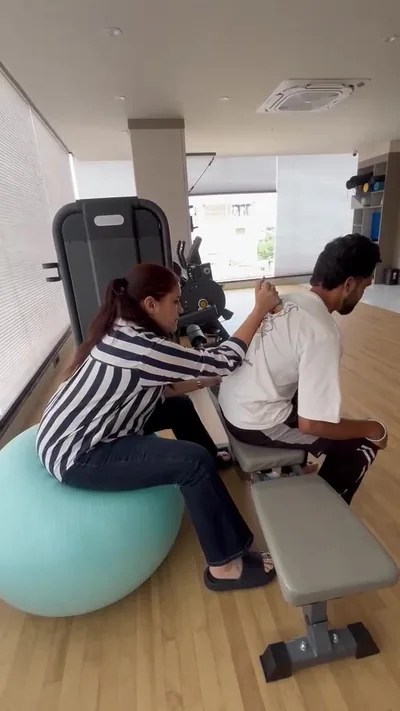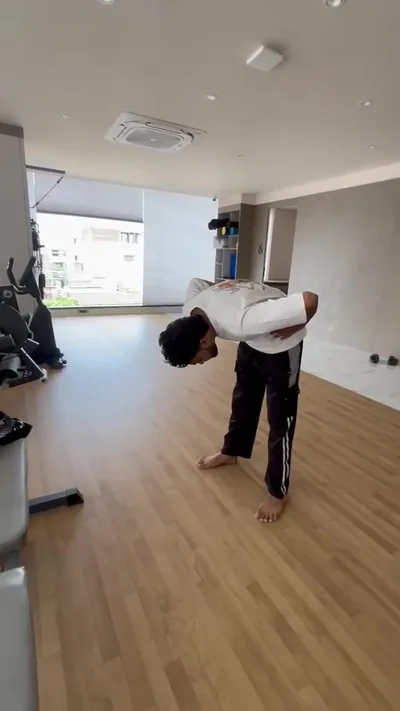
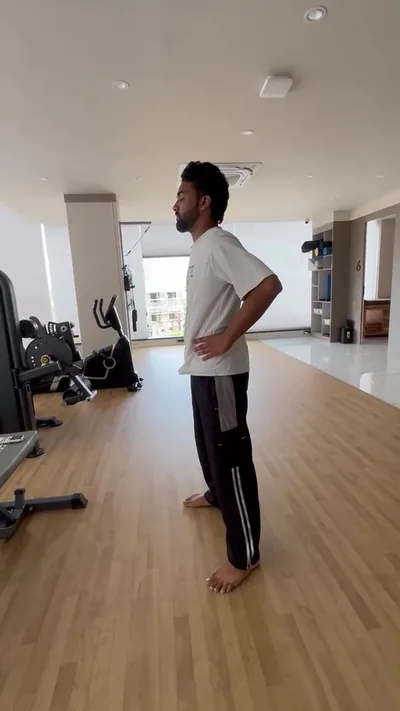
Is Side Bending Safe with L4 L5 Herniated Disc
An L4 L5 herniated disc happens when the disc between your fourth and fifth lumbar vertebrae bulges or ruptures. This presses on nearby nerves, causing pain…
Read article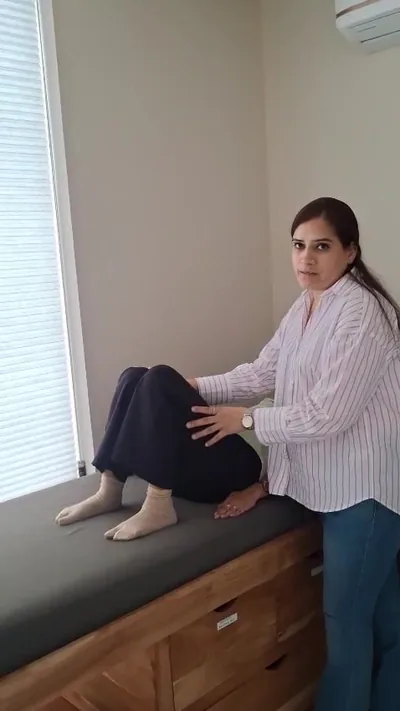

Swelling after knee replacement surgery happens due to fluid buildup in tissues around the knee. Surgery causes trauma to the joint. This triggers inflammation as the body starts healing. Blood vessels leak fluid into the area. This is part of the normal healing process.
Not all swelling is the same. It can signal infection or blood clots if severe. Always get an in-person assessment from a doctor or physiotherapist for your specific case. Do not rely only on general advice. At Trivayu Physio Center in Vaishali Nagar, Jaipur, we check each patient’s knee closely.
Elevating your leg helps drain fluid away from the knee. Gravity pulls swelling down when you sit or lie flat. Raising the leg above heart level improves drainage. This works best after activity or when swelling feels worse.
Aim for elevation after activity, like walking or exercises. In the first month after knee replacement, do this 3-4 times daily. Avoid bending the knee too much while elevated. Keep the knee in a straight line from hip to ankle. This prevents stiffness and aids fluid flow back to the heart.
A physiotherapist would check your knee position during assessment. They ensure elevation fits your surgery recovery stage. For example, early post-op, they guide on supporting the calf without pressure on the heel. Later, they add ankle pumps while elevated to boost circulation.
Do not put pillows under the knee joint. This can bend it and limit drainage. Never elevate while standing. Sit or lie down only. Check skin colour often. If toes turn blue or cold, lower the leg at once and seek help. Do not let the leg hang off the bed edge. This traps fluid instead of draining it. Avoid crossing legs during elevation. It blocks blood flow. Looking for a Physiotherapy Clinic Near Me? Our team in Vaishali Nagar, Jaipur can assess you in person.
Compression applies gentle pressure to limit fluid buildup. It works with elevation to control swelling after knee surgery. Use only what your surgeon approves. Compression stops fluid from pooling and supports veins in moving fluid upward.
Wrap bandages in the morning before getting up. This prevents fluid rush. Make it firm but not tight. You should fit two fingers under the wrap. Remove at night unless advised otherwise. Wear stockings as directed, often all day in the first weeks.
Watch for numbness, tingling or increased pain. Loosen or stop if these occur. Change bandages daily to keep skin clean and dry. When wrapping, start at toes with slight overlap. Pull evenly up the calf and thigh. Avoid creases that pinch skin. A physiotherapist shows this in person. They check fit during sessions and adjust for comfort.
In post-op knee care, combine compression with gentle movement. This prevents clots while controlling swelling. If skin feels hot or wet, loosen right away.
The first month sets the pace for recovery. Focus on controlling swelling while starting movement. Your surgeon gives a plan, but daily habits matter. Expect stiffness, pain and swelling that changes day to day. Track knee size with a tape measure around the joint. Note if it grows or shrinks. More on Knee Pain Treatment and how we assess it.
Rest balances with activity. Lie down often to elevate. Sit with leg straight out. Avoid low chairs that bend the knee deeply. Use a raised toilet seat if needed. Sleep with pillows under calf for night elevation. Move toes up and down hourly to pump blood. This aids drainage without strain.
What to expect week by week: In week 1, swelling peaks. Limit walking to bathroom trips. Use walker or crutches. By week 2, add short hall walks. Week 3 brings seated knee bends if cleared. Week 4 allows more distance, but elevate after. A physiotherapist tailors this. They watch your gait and knee bend to spot issues early.
Handle wound care alongside swelling control. Keep dressing dry. Pat clean, no rubbing. Watch for pus, bad smell or opening edges. These need doctor visit. Stay hydrated and eat protein-rich foods like dal, eggs or paneer to support healing tissues.
Do these elevated when possible. Stop if pain sharpens beyond normal ache. Physiotherapist demonstrates and progresses them safely.
Use both methods together for best results. In the first month after knee replacement, follow a daily routine. Elevation drains fluid; compression keeps it from returning.
Start your day with compression on. Walk short distances as allowed. After each walk, elevate for 20 minutes. Combine with ice packs if your doctor permits, 10-15 minutes at a time. Ice reduces inflammation but wrap in cloth to protect skin. You may also find Knee Replacement Swelling Week 3: Elevation Tips useful.
Watch for signs of trouble: redness spreading, fever, calf pain or chest pain. These need urgent medical care. Track your swelling daily. It should slowly improve over weeks. Measure knee circumference morning and evening. Note changes in a notebook. Share with your physiotherapist.
If swelling persists, a professional assesses muscle strength and joint range. They guide on advancing walks or adding resistance. In post-op knee care, this prevents long-term stiffness.
Swelling that worsens or lasts beyond expected time calls for professional help. At Trivayu Physio Center, we offer assessment for post-op knee care. Our team uses Manual Therapy, Orthopaedic Rehabilitation and Electrotherapy to aid recovery.
Dr. Jyoti Choudhary, with 17+ years in sports and orthopaedics, leads our knee rehab. Other experts like Dr. Hritika Choudhary handle advanced electrotherapy and post-op rehab. Visit us at Vaishali Nagar or Vidyadhar Nagar.
Book an in-person assessment. We guide on elevation, compression and more tailored to you. Call +91 90570 65065 or WhatsApp https://wa.me/919057065065.
Swelling peaks in the first 1-2 weeks. It improves over 4-6 weeks but can linger months. Varies by person. In-person check helps track progress.
Yes, if done right. Elevate above heart level with knee straight. Get surgeon’s okay first. Stop if pain or colour changes occur.
Elastic bandages or stockings reduce fluid buildup. Apply gently. Follow medical advice on type and duration.
Often within days, as surgeon directs. Early movement prevents stiffness. We start with safe exercises after assessment.
Yes, short walks help circulation. Use crutches or walker as needed. Combine with elevation to control swelling. Limit if pain increases.
Control knee replacement swelling with consistent elevation and compression in the first month. These steps support healing. For personalised guidance, book an assessment at Trivayu Physio Center, Vaishali Nagar, Jaipur. Contact us on WhatsApp https://wa.me/919057065065 or call +91 90570 65065 today.
Physiotherapy is not the right first step for everything. Seek medical assessment promptly if any of the following apply to you:
If you lose control of your bladder or bowels, develop numbness around the groin, or have chest pain or breathlessness, treat it as an emergency and go to hospital.
Truly thankful to Dr. Jyoti Choudhary and the entire team of Trivayu Physio Centre for their genuine care, humble behaviour, and excellent treatment.
Mahesh Dhaka, Google review
This is one patient's own account, published with consent on our reviews page. It describes their experience, not a predicted outcome. Individual results vary.
An L4 L5 herniated disc happens when the disc between your fourth and fifth lumbar vertebrae bulges or ruptures. This presses on nearby nerves, causing pain…
Read articleShopkeepers in Jaipur often stand for long hours behind counters. This prolonged standing can trigger sciatica pain. Sciatica happens when the sciatic nerve gets irritated, often…
Read articleHerniated disc night pain disrupts sleep for many. The disc bulge presses on nerves, causing sharp back pain or sciatica that flares up at night. Simple…
Read articleMessage us on WhatsApp with your main concern and preferred time, and we'll confirm your first visit the same day.