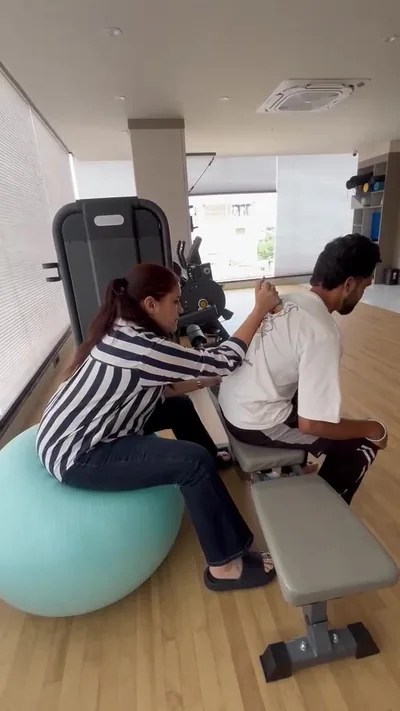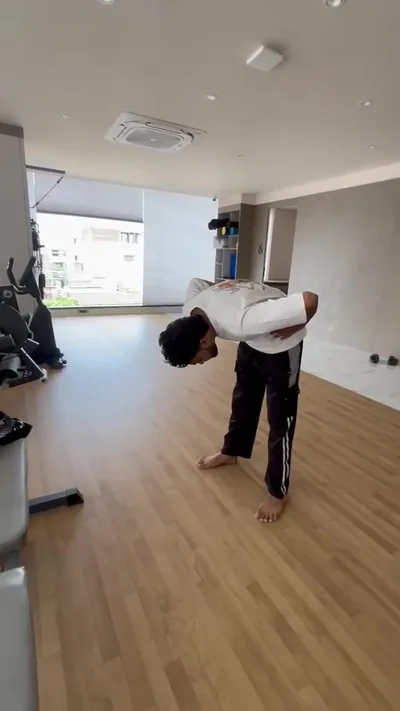
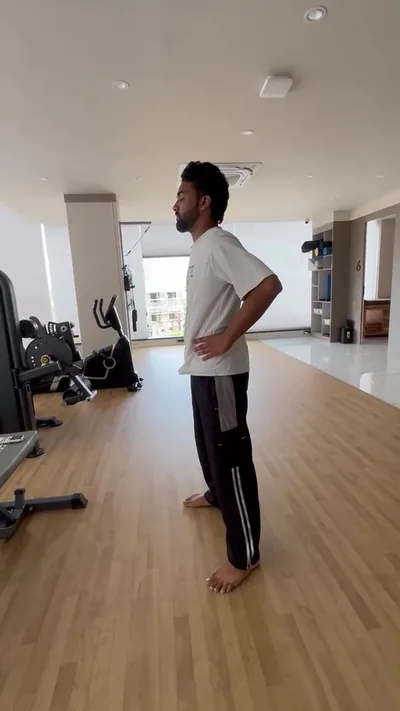
Is Side Bending Safe with L4 L5 Herniated Disc
An L4 L5 herniated disc happens when the disc between your fourth and fifth lumbar vertebrae bulges or ruptures. This presses on nearby nerves, causing pain…
Read article

After knee replacement surgery, swelling is common. It builds up as your body heals. By week 3, many notice it peaks. This happens because fluid gathers in the tissues around the knee joint. Your body responds to surgery by sending blood and fluid to the area. This aids repair but causes puffiness.
Normal swelling feels firm but not hot or red. It may make the knee stiff. Peaks around week 3 occur due to increased activity or gravity pulling fluid down. In the early weeks, your knee works harder as you start moving more. Watch for signs like warmth, redness or fever. These could mean infection. Always get an in-person check if unsure. A physiotherapist looks at the knee’s range, skin colour and your pain level to judge if swelling stays normal.
Swelling varies per person. Factors include your age, health and how much you move. A physiotherapist can assess it properly. At Trivayu Physio Center in Vaishali Nagar, Jaipur, we check each case during Post-Surgery & Joint Replacement Rehab. Book an assessment for tailored advice. During the visit, expect questions on your daily routine and a hands-on exam of the knee.
Elevation helps drain fluid from the knee. Raise your leg above heart level. This uses gravity to move fluid back to your core. Do it often in week 3 when swelling peaks.
Lie on your back on a firm surface like a bed or mat. Place pillows under your calf, not the knee. Keep the knee straight. Aim for 45-60 minutes, 3-4 times a day. Do this after meals or when resting. Your heel should point up, foot relaxed.
Common mistakes include propping under the knee. This bends it and traps fluid. Or elevating too low. Your foot should be higher than your heart—test by lying flat first, then lifting. Do not sleep with leg elevated all night. It strains muscles and may cause cramps. If you have back pain, use a recliner chair instead for elevation.
A physiotherapist teaches correct form during sessions. They check if your heel stays high enough and adjust for comfort. Pair elevation with gentle ankle circles to boost circulation without stressing the knee. Looking for a Physiotherapist Near Me? Our team in Vaishali Nagar, Jaipur can assess you in person.
Compression aids fluid drainage. Use elastic bandages or sleeves approved for post-surgery use. They apply even pressure around the knee. Start with what your surgeon provides, then add as advised.
Wrap from toes to mid-thigh. Make it snug but not tight. You should fit two fingers under it. Re-wrap if it loosens after a few hours. Benefits include better circulation and less pooling. Wear during the day, especially when upright.
Precautions matter. Too tight causes numbness or more pain. Stop if toes turn blue or cold. Consult your doctor first before starting. Combine compression with elevation for best results in knee surgery swelling management. A physiotherapist shows how to wrap without creases that pinch skin. They also check fit during follow-ups to prevent issues.
Week 3 marks a shift in recovery. Your stitches may dissolve, and you walk more. But swelling can worsen without care. Focus on a routine: elevate mornings and evenings, compress during activity, ice as needed.
Post-surgery knee care includes wound checks. Keep the area dry and clean. Pat dry after showers. Watch for pus or opening edges—see your surgeon if seen. Move the knee gently within pain-free limits. A physiotherapist guides this with exercises like quad sets: tighten thigh muscle for 5 seconds, relax, repeat 10 times hourly.
Rest balances activity. Sit with leg supported, not dangling. Use a raised toilet seat to avoid deep bends. Sleep on your back with a pillow under the calf. These steps ease strain on the new joint. More on Knee Pain Treatment and how we assess it.
Physiotherapists approach week 3 with Orthopaedic Rehabilitation. They test knee bend and straighten, then build on it. Expect sessions twice weekly: warm-up with ankle pumps, then assisted slides on a bed.
Progress includes standing shifts: weight on good leg first, then even it out. Use parallel bars for safety. Home tips from physio: practice heel slides daily, 10 reps, knee to 90 degrees if pain-free. Track progress in a notebook—note bend angle and swelling size.
What to expect in clinic: ultrasound check for fluid, manual checks for tightness, and plan for next weeks. Avoid stairs until cleared. Crutches phase out as strength grows.
Ice helps too. Wrap ice pack in cloth. Apply 15-20 minutes every 2 hours. Do not put ice directly on skin. Ice after exercises or long upright time.
Gentle movement prevents stiffness. Ankle pumps: point and flex foot 20 times hourly. Straight leg raises: lift operated leg 6 inches, hold 5 seconds, 10 reps. Do as advised by your surgeon. These pump fluid up without joint stress. You may also find Post Knee Surgery Swelling Day 3: Elevation Tips useful.
Diet aids recovery. Eat protein-rich foods like dal, eggs or paneer for tissue repair. Drink water to thin fluids. Avoid salt-heavy snacks that hold water.
Track swelling daily: measure knee with tape around widest point. Note changes to share at physio. Heat is not for acute swelling—use only after week 6 if advised.
For expert help, try Electrotherapy at Trivayu Physio Center. It reduces swelling through targeted waves. Our team, including Dr. Jyoti Choudhary with 17+ years in orthopaedics, guides recovery. Manual Therapy eases tight tissues. Visit our Vaishali Nagar or Vidyadhar Nagar locations. Book if swelling blocks movement or lasts despite home care.
Patients often overdo walking. Limit to short distances, 10-15 minutes. Use crutches if needed. Wrong compression means no wrap or too tight. Both worsen swelling. Ignore pain at your risk. Mild ache is okay; sharp pain signals stop.
Skip self-assessment. Do not push knee past comfort. Book an in-person visit to Trivayu Physio Center, 204, 2nd Floor, Om Tower, Gandhi Path Road, Nemi Nagar, Vaishali Nagar, Jaipur. Call +91 90570 65065 or WhatsApp for quick check.
Swelling reduces over weeks to months. Full settling takes 3-6 months for many. It varies with care and health. Home steps speed it.
Yes. It drains fluid effectively. Elevate above heart level several times daily. Pair with compression.
Elastic bandages or sleeves. Apply snugly, check circulation. Ask your doctor first. Reapply as needed.
If hot, red, feverish or sudden increase. Or if leg numb or calf tender. See a doctor right away.
Yes. Physiotherapists assess and treat. Techniques like Electrotherapy speed reduction. Expect hands-on care and home plans.
Manage knee replacement swelling week 3 with these steps. Recovery needs patience. Each day brings progress. Elevation, compression and gentle moves form the base. A physiotherapist tailors it to you.
Book an assessment at Trivayu Physio Center today. WhatsApp https://wa.me/919057065065 or call +91 90570 65065. We are open Mon-Sat 8am-8pm, Sun 10am-1pm.
Physiotherapy is not the right first step for everything. Seek medical assessment promptly if any of the following apply to you:
If you lose control of your bladder or bowels, develop numbness around the groin, or have chest pain or breathlessness, treat it as an emergency and go to hospital.
Truly thankful to Dr. Jyoti Choudhary and the entire team of Trivayu Physio Centre for their genuine care, humble behaviour, and excellent treatment.
Mahesh Dhaka, Google review
This is one patient's own account, published with consent on our reviews page. It describes their experience, not a predicted outcome. Individual results vary.
An L4 L5 herniated disc happens when the disc between your fourth and fifth lumbar vertebrae bulges or ruptures. This presses on nearby nerves, causing pain…
Read articleShopkeepers in Jaipur often stand for long hours behind counters. This prolonged standing can trigger sciatica pain. Sciatica happens when the sciatic nerve gets irritated, often…
Read articleHerniated disc night pain disrupts sleep for many. The disc bulge presses on nerves, causing sharp back pain or sciatica that flares up at night. Simple…
Read articleMessage us on WhatsApp with your main concern and preferred time, and we'll confirm your first visit the same day.