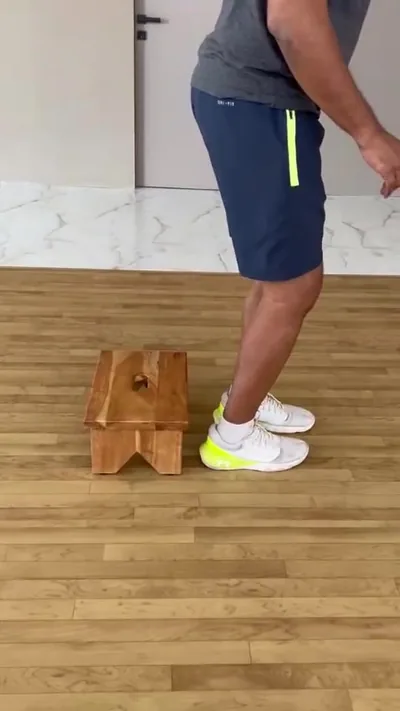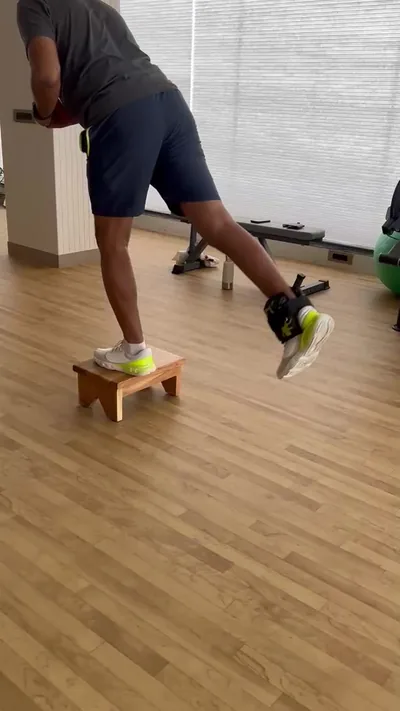
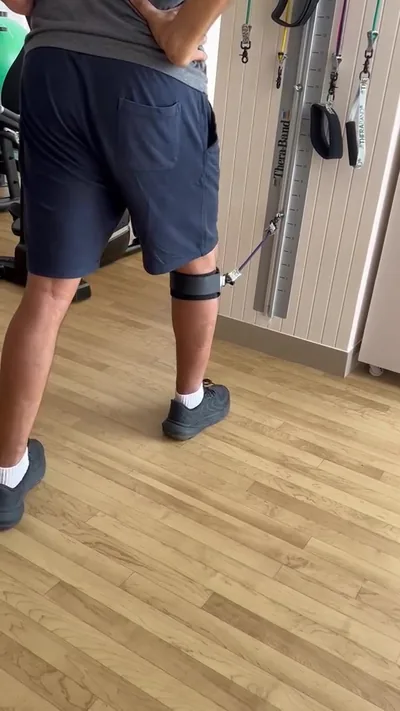
Backward Walking in ACL Rehab Phase 2
Backward walking helps athletes recover from ACL injuries. It builds knee stability in Phase 2 of rehab. This exercise targets quadriceps and improves control after surgery…
Read article

After knee replacement surgery, using a squat Indian toilet poses real risks. The deep bend strains the new knee joint. This pulls on healing tissues and tests balance. In month 2, the knee gains some strength but remains fragile. Jaipur homes often have squat toilets. This setup clashes with recovery needs. Deep squats increase pain and swelling risk. They can delay healing. Every patient differs. An in-person assessment spots your exact limits.
Squatting demands full knee flexion over 120 degrees. Post-surgery, the joint caps at 90 degrees safely in early recovery. Hamstrings tighten, pulling the knee back. This creates shear force on the implant. Balance shifts forward, overloading the operated leg. Older adults in Jaipur face higher fall risk on slippery floors. Without changes, toilet use slows progress. Safe options protect the knee while keeping daily life going.
Recovery after knee replacement moves through phases. Early weeks focus on basic movement. Month 2 shifts to building strength. The knee handles light loads better, but deep squats stay risky. Full squat toilet use comes later for most. Push too soon, and you face setbacks. Listen to body signals like pain or weakness. Orthopaedic Rehabilitation helps guide this phase safely.
In week 4-6, straight leg raises build quad control. By month 2, partial squats to 60 degrees test stability. Attempt shallow toilet squats only after physio clears it. Use a mirror to check knee alignment. Spine issues often link to knee strain during squats. If back pain joins in, seek advice. Progress varies by age, health, and surgery details. A physio checks range of motion weekly to set your timeline.
Switch to easier options in month 2. Raised platforms fit over Indian toilets. They cut squat depth by 20-30 cm. This eases knee bend. Commode chairs work well in Jaipur homes. Place them nearby. They offer seat height without full Western remodel. Many families add these during recovery. Looking for a Physiotherapist Near Me? Our team in Vaishali Nagar, Jaipur can assess you in person.
Manual Therapy from trained physios improves joint mobility for these moves. Test setups at home first. For squat toilets, add a custom wooden stool. Stack two low crates if needed—ensure stability. Line the floor with a rubber mat for grip. Keep a walking stick handy for extra balance. Practice transfers 3 times daily. If space limits chairs, use a low bench beside the toilet. Slide across carefully. Wear anti-slip slippers always. These tweaks let you manage without full remodels common in Jaipur flats.
Physios teach a modified squat for gradual return to Indian toilets. Stand facing the toilet with feet wider than hips. Turn toes out 15 degrees. Hold toilet tank or wall pipe with both hands. Lower body by bending hips first, not knees. Keep knees tracking over toes—no inward collapse. Stop at 70-90 degree knee bend. Pause 2 seconds. Breathe steadily. Do 5 practice reps daily away from toilet first.
Avoid rushing or leaning forward. This keeps weight even on both legs. If one knee lags, shift more load to the good side. Use a belt around waist for family assist if needed. Electrotherapy sessions reduce swelling first, making this smoother. Test in clinic before home. Stop if knee feels unstable or heats up.
Build knee strength for safer toilet use. Start with simple moves in month 2. Do them daily under guidance. A physio watches form to prevent compensations. More on Knee Pain Treatment and how we assess it.
Clinical Pilates & Exercise Therapy refines these. They boost stability without overload. Trivayu physios tailor plans to your needs. Stop if pain sharpens. Track reps in a notebook. Increase holds by 2 seconds weekly if pain-free.
Prep the bathroom for safety. Clear clutter around the toilet. Install grab bars on walls if possible—cheap metal ones fit Indian setups. Wipe floor dry after use. Keep wipes or spray nearby to avoid deep leans for cleaning. Use long-handled brushes. Wear loose pants easy to lower one-handed. Empty bladder before entering to shorten time squatting. If constipated, add fibre foods early—strain worsens knee load. Hydrate but time visits post-exercise when muscles tire less.
Family helps: Spot from door, hand items, steady arms during transfer. Practice night routines with light on. These habits cut fall odds in dim Jaipur mornings. You may also find Hip Replacement Indian Toilet Safe Transfers useful.
Watch for warning signs. Pain during toilet attempts means check-up time. Imbalance, swelling, or clicking also signal help needed. Limping after use or night pain point to overload.
Trivayu Physio Center in Vaishali Nagar and Vidyadhar Nagar supports post-op knee rehab. Dr. Hritika Choudhary leads with 5+ years in advanced electrotherapy and post-surgery care. The team offers home visits and online consultations.
Dr. Jyoti Choudhary brings 17+ years in orthopaedics. Get clear explanations and friendly support. Book for personalised knee replacement recovery tips in Jaipur. They assess your home toilet setup during visits.
Not right away. Month 2 needs alternatives to avoid strain. Full use depends on your progress. See a physio for checks.
Use commode chairs or raised platforms. They limit bend and add support. Common in Jaipur for safe recovery.
Avoid deep squats early. Use arms for help. Keep knees over toes. Build strength first with exercises. Modified technique halves strain.
After strength builds, often beyond month 2. No fixed time. Assessment confirms readiness.
Opt for modifications like platforms. Strengthen quads daily. Trivayu team guides with hands-on plans and home options. Prep bathroom for grip.
Protect your knee recovery with smart choices. Safe habits now lead to better mobility later. Variations make each case unique. Build strength steadily. Modify your space. Get pro guidance.
Book an in-person assessment at Trivayu Physio Center. WhatsApp +91 90570 65065 or call to start.
“`
< !-- Word count: 1027 -->
Physiotherapy is not the right first step for everything. Seek medical assessment promptly if any of the following apply to you:
If you lose control of your bladder or bowels, develop numbness around the groin, or have chest pain or breathlessness, treat it as an emergency and go to hospital.
Truly thankful to Dr. Jyoti Choudhary and the entire team of Trivayu Physio Centre for their genuine care, humble behaviour, and excellent treatment.
Mahesh Dhaka, Google review
This is one patient's own account, published with consent on our reviews page. It describes their experience, not a predicted outcome. Individual results vary.
Backward walking helps athletes recover from ACL injuries. It builds knee stability in Phase 2 of rehab. This exercise targets quadriceps and improves control after surgery…
Read articleAfter ACL surgery, rebuilding knee strength takes time and care. ACL rehabilitation phases guide this process step by step. Phase 1 protects the graft and cuts…
Read articleAfter hip replacement surgery, dressing your lower body safely helps build independence. By week 6 of hip replacement recovery, many patients aim to dress without help.…
Read articleMessage us on WhatsApp with your main concern and preferred time, and we'll confirm your first visit the same day.