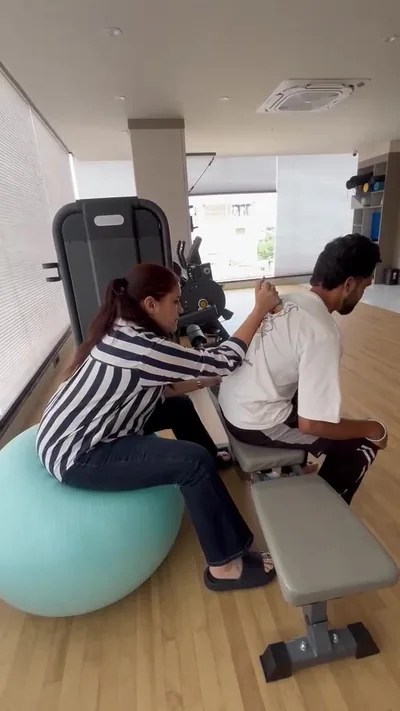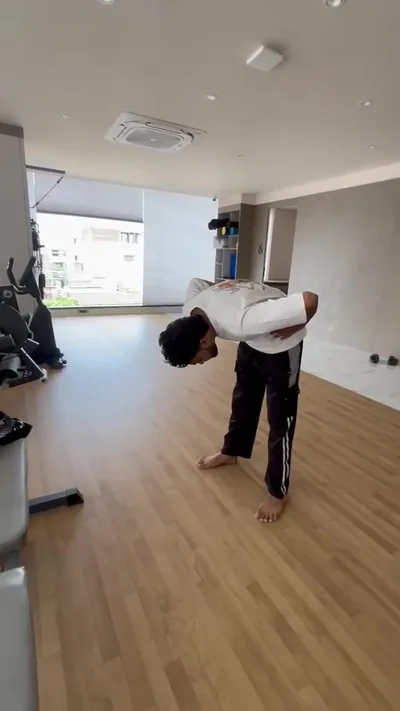
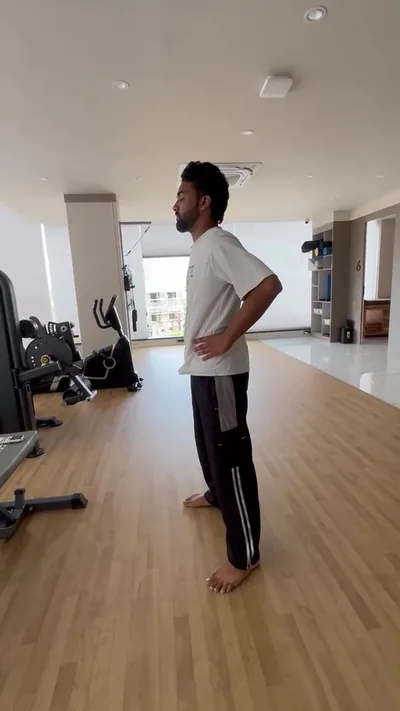
Is Side Bending Safe with L4 L5 Herniated Disc
An L4 L5 herniated disc happens when the disc between your fourth and fifth lumbar vertebrae bulges or ruptures. This presses on nearby nerves, causing pain…
Read article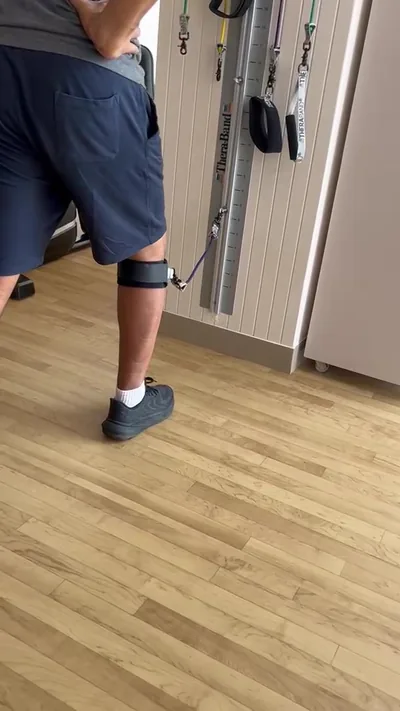

Knee replacement surgery relieves pain but needs careful recovery. Active seniors ask about cycling. This guide covers the timeline, starting stationary bike around 6 weeks. Get professional assessment first.
Recovery varies by age, health, surgery type. Physiotherapy aids safe exercises. In Jaipur, Trivayu Physio Center offers post knee replacement physio.
Gradual steps prevent harm to the new joint. Follow doctor’s and physiotherapist’s advice.
Recovery starts right after surgery. The first two weeks focus on basic movement and pain control. You walk with crutches or a walker for short distances. Swelling and stiffness are common.
In hospital, you have daily physio sessions. Staff check your wound, adjust pain medicines, and guide bed exercises. By day 3 to 5, many people stand and take a few steps with support.
Weeks 3 to 6 build strength and knee range. Most people drop walking aids by week 6. Do seated knee extensions: sit straight, straighten one knee fully, hold 5 seconds, lower slowly, 10 times per leg.
Weeks 6 to 12 increase activity. Practice stairs using a handrail—one step at a time, good leg up first. Add balance work standing on a soft foam pad for 30 seconds.
Months 3 to 6 focus on endurance. Try pool walking forward, backward, and sideways for 20 minutes. Use light weights or resistance bands for leg presses.
After 6 months, test higher-demand activities like cycling only if basic strength and walking are solid. Orthopaedic Rehabilitation tailors exercises to your cycling goals, such as pedal simulations.
Stationary cycling is low impact because the bike seat takes your weight off the knee. Pedalling motion builds quadriceps and hamstrings without jarring the joint. Looking for a Physiotherapist Near Me? Our team in Vaishali Nagar, Jaipur can assess you in person.
Start only around 6 weeks if you walk steadily for 10 minutes unaided and bend your knee to 90 degrees. Electrotherapy like TENS can ease pain and help muscle activation right before your first pedal sessions.
Physios choose it early because it strengthens the vastus medialis oblique—a key quad muscle that stabilises the kneecap—without risking falls or twists common in outdoor activity.
A physiotherapist starts with your full history: surgery details, pain sites, pre-surgery cycling habits. They test knee range with a goniometer, check muscle strength using manual resistance, and watch your gait on a treadmill.
Early phase: apply ice for 15 minutes, elevate the leg above heart level, use compression bandages. Hands-on work loosens tight tissues around the joint.
Mid-phase: hamstring curls standing behind a chair, bend knee to lift heel towards bottom, 10 reps. Add mini-squats: feet shoulder-width, bend knees 30 degrees, hold 5 seconds.
Late phase: one-leg balance on firm ground for 30 seconds, progressing to wobble board for cycling stability. They correct leaning or locking knee habits that build up from pain avoidance.
Around 6 weeks, begin stationary bike if you meet milestones: walk 10 minutes without aids, knee bends to 90 degrees, minimal swelling or heat. Your surgeon or physio palpates for tenderness and may order an X-ray to check implant position. More on Knee Pain Treatment and how we assess it.
Bike setup matters for safety. Adjust seat height so when pedalling, your knee is nearly straight at the bottom—measure from hip bone to floor for fit. Set handlebars at chest height for upright posture.
Day 1 to 3: 5 minutes only, zero resistance, 40-50 revolutions per minute, twice daily if no discomfort. Sit upright, relax shoulders, breathe steadily—in through nose, out through mouth. Stop if pain goes beyond mild ache in the front knee.
Week 2 on bike: build to 10-15 minutes, add lightest resistance like level 1. Week 3: 20 minutes, vary speed with 1-minute faster bursts. Monitor daily: no new swelling, heat, or sharp pain.
Physio assesses your first sessions hands-on. In Jaipur’s warm climate, use air-conditioned rooms or early mornings; heat can swell knees quickly.
Build a routine with these, starting slow under guidance. Heel slides: lie back, slide heel to bottom for max bend, hold 5 seconds, 10 reps, 3 times daily. Quad sets as above. Ankle pumps hourly to keep blood moving.
Seated marches: sit, lift one knee alternately like marching, 10 per leg. Progress to straight leg raises in sitting then standing. Side-lying leg lifts target hips: lie on side, lift top leg 10 inches, 10 reps.
Later: wall sits—back to wall, slide to 90-degree knees, hold 10 seconds, 5 reps. In pool: walk all directions 20 minutes, add kicking with float board. Always warm up with 5-minute marching in place.
Physio demonstrates each, watches your form, adds resistance bands when ready. Track in a notebook: reps completed, any soreness. Rest 1-2 days if knee feels sore next day; do upper body work instead. You may also find Knee Replacement Cycling Timeline Weeks 6-8 useful.
Once you master 20-30 minutes stationary with light resistance, add variety. Include 30-second faster pedal bursts to build power. Pair with gym leg presses—feet on platform, push out straight, 10 reps. Single-leg squats to chair height strengthen control.
Use a wobble board or balance pad: stand one leg for 1 minute to prep for road bumps. If muscles fatigue, electrotherapy aids recovery. Month 3 post-stationary: try 45-minute outdoor rides on flat paths, include gentle hills at low gear.
Month 6: aim for 1-hour rides with a group, steady pace. Wear padded cycling shorts to cushion the seat, fitted shoes for power. Visit a bike shop for professional fit—adjust saddle fore-aft so knee tracks over pedal spindle.
Track progress: log distance, total time, average heart rate. Mild ache that fades within 30 minutes is normal; stop for sharp pain, redness, or heat. In Jaipur, ride mornings to dodge peak heat and traffic; hydrate every 15 minutes.
Trivayu Physio Center, Vaishali Nagar, Jaipur, aids post-surgery recovery. Dr. Jyoti Choudhary (17+ years orthopaedics) tailors plans to your needs. Class IV High Power Laser Therapy reduces inflammation fast. Robotic Spinal Decompression helps if back pain affects gait.
Stationary bike around 6 weeks with surgeon approval. Everyone differs—get assessed. Outdoor cycling waits 3-6 months after mastering indoor.
Yes, if you walk well unaided and bend knee 90 degrees. High seat, low resistance. Physio confirms form and setup.
Heel slides, quad sets, straight leg raises, stationary cycling. Add bridges, calf raises, seated marches. Progress step-by-step with guidance.
Builds muscle strength, cuts stiffness, teaches correct bike form. Spots imbalances early. Creates custom plans with checks.
Yes, after solid stationary base. Start flat paths, maybe a knee brace. Build slowly. Watch Jaipur’s potholes and dust.
Hydrate often, skip peak sun hours, get bike professionally fitted. Monitor knee temp and swelling. Physio advises on local terrain. Use clips only when balance is strong.
Knee replacement cycling timeline: stationary at 6 weeks for many who progress well. Advance through stages, safe exercises, physio guidance.
Book assessment at Trivayu Physio Center. WhatsApp +91 90570 65065 or call.
Physiotherapy is not the right first step for everything. Seek medical assessment promptly if any of the following apply to you:
If you lose control of your bladder or bowels, develop numbness around the groin, or have chest pain or breathlessness, treat it as an emergency and go to hospital.
Truly thankful to Dr. Jyoti Choudhary and the entire team of Trivayu Physio Centre for their genuine care, humble behaviour, and excellent treatment.
Mahesh Dhaka, Google review
This is one patient's own account, published with consent on our reviews page. It describes their experience, not a predicted outcome. Individual results vary.
An L4 L5 herniated disc happens when the disc between your fourth and fifth lumbar vertebrae bulges or ruptures. This presses on nearby nerves, causing pain…
Read articleShopkeepers in Jaipur often stand for long hours behind counters. This prolonged standing can trigger sciatica pain. Sciatica happens when the sciatic nerve gets irritated, often…
Read articleHerniated disc night pain disrupts sleep for many. The disc bulge presses on nerves, causing sharp back pain or sciatica that flares up at night. Simple…
Read articleMessage us on WhatsApp with your main concern and preferred time, and we'll confirm your first visit the same day.