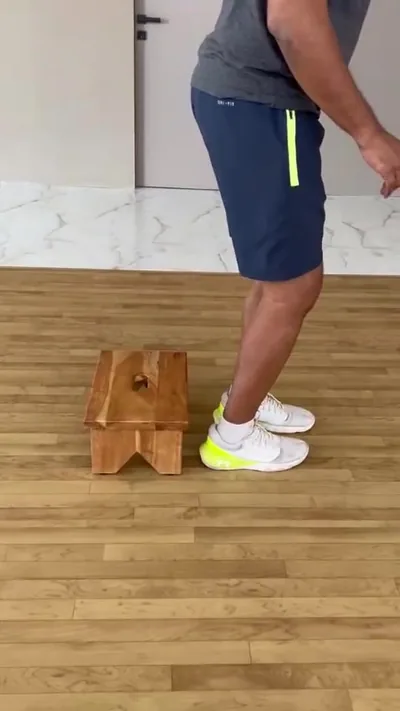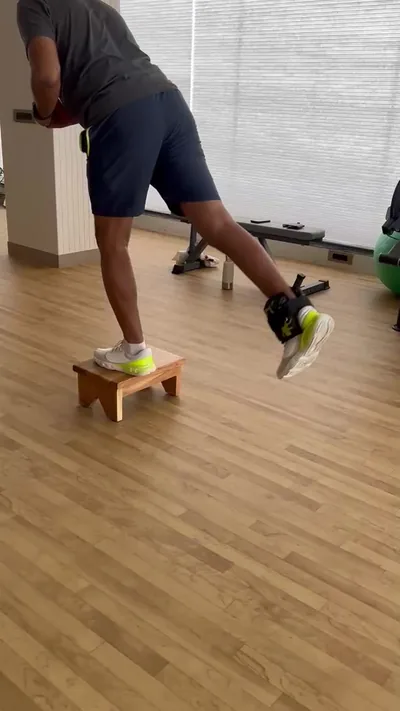
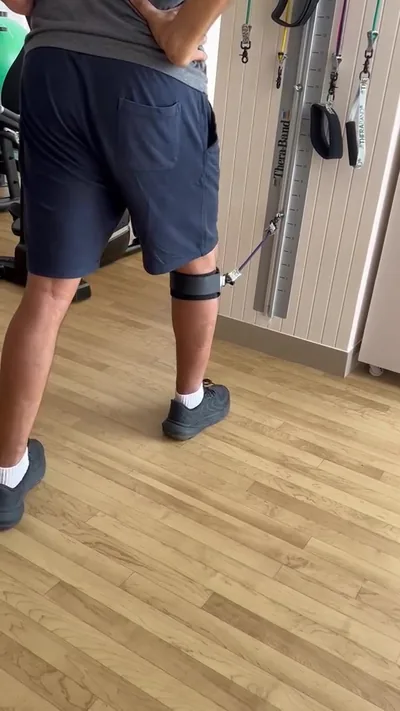
Backward Walking in ACL Rehab Phase 2
Backward walking helps athletes recover from ACL injuries. It builds knee stability in Phase 2 of rehab. This exercise targets quadriceps and improves control after surgery…
Read article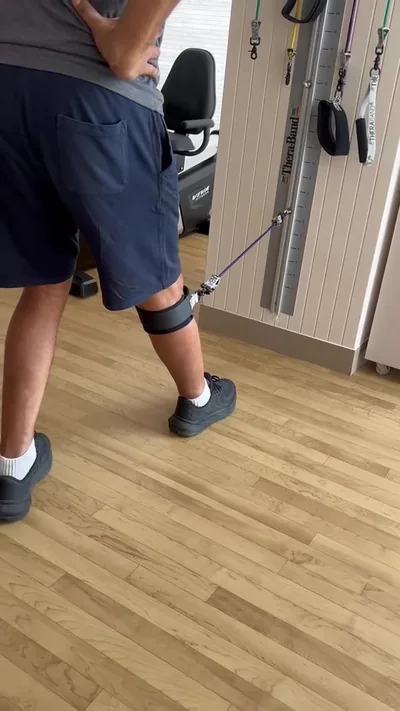
After knee replacement surgery, returning to cycling excites active seniors. The timeline varies by healing. Weeks 6-8 often introduce stationary bike use under guidance. This guide covers safe steps for stationary bike rehab post knee surgery, including recovery stages, exercise timelines, and progression to outdoor cycling.
Recovery follows phases from healing to strength building. Professional input ensures safe progression. At Trivayu Physio Center in Vaishali Nagar, Jaipur, therapists tailor plans. Seek in-person assessment before exercise.
Stationary cycling builds knee strength and mobility without high impact. It fits post knee replacement exercise timeline when introduced right. Listen to your body and consultant. A physiotherapist checks range of motion, muscle strength, and stability before clearing you for biking.
Knee replacement recovery stages start after surgery. First 2 weeks focus on wound healing, pain control, and basic mobility. Use a walker or crutches. Therapists teach ankle pumps and gentle knee bends in bed to prevent clots and stiffness.
Weeks 2-4 reduce swelling and improve straight knee position. Exercises include heel slides and straight leg raises lying down. Walking distance increases on flat surfaces. Therapists monitor incision healing.
Weeks 4-6 reach knee bend of 90 degrees or more. Practice standing on one leg briefly and climbing stairs. Resisted exercises with therapy bands strengthen muscles around the knee. Swelling drops, allowing longer walks without aids. Looking for a Physiotherapist Near Me? Our team in Vaishali Nagar, Jaipur can assess you in person.
Weeks 6-8 build endurance. Introduce stationary biking if knee flexes for full pedal circles. Therapists test balance and quad control. Progress depends on age, prior fitness, and complications.
Weeks 8-12 emphasise resistance and functional training. Knee bend targets 110-120 degrees. Add inclines to walks and light squatting. After 12 weeks, transition to outdoor activities if stable. Full recovery to high-level cycling can take 3-6 months or longer. Trivayu Physio Center stresses professional assessment at each stage. Book an in-person visit.
Stationary bike aids knee strength and mobility after replacement. It promotes smooth joint motion with low stress. Cycling improves circulation, reduces stiffness, and builds quad muscles. Circular pedalling lubricates the joint and retrains coordination without weight-bearing.
Weeks 6-8 mark low-resistance introduction, aligning with improved knee flexion for pedalling. Orthopaedic Rehabilitation supports this phase with guided sessions. A physiotherapist adjusts bike setup.
Short rides enhance balance and confidence, preparing for daily activities. Pair with therapist oversight. Biking helps desensitise the knee to movement.
Around weeks 6-8, begin with no or low resistance. Aim for 5-10 minute sessions, 2-3 times daily if comfortable. Focus on full pedal circles without forcing. Breathe steadily; keep upper body relaxed. More on Knee Pain Treatment and how we assess it.
Set seat height so knee is nearly straight at bottom pedal, with slight bend. Handlebars at comfortable reach. Increase time before resistance. Stop if grinding or pinching.
A physiotherapist demonstrates form to avoid strain. They check knee tracking over the pedal. Progress matches post-op knee exercises timeline.
First clinic session lasts 20-30 minutes, including warm-up walks and form checks. Therapists note pain level and adjust. Home use follows if cleared.
Post-op knee exercises timeline builds progressively. Days 1-7: Bed-based quad sets and ankle circles, 10 reps hourly. Weeks 1-2: Add seated knee bends to 60 degrees and standing weight shifts.
Weeks 3-4: Prone knee hangs for extension and mini-squats holding a chair. Hold 5-10 seconds, 10 reps thrice daily. Weeks 5-6: Step-ups on 10 cm block and wall slides.
Weeks 6-8: Stationary bike joins. Pair with hamstring stretches and calf raises. Weeks 9-12: Resistance bands for leg presses and single-leg stands. 20-30 reps per set, 3 sets daily. You may also find Knee Replacement Cycling: When to Start useful.
A physiotherapist customises based on tolerance. They measure bend with goniometers. This preps muscles for cycling.
Before bike, check knee range: 90-100 degrees bend and full or near-full extension. Ensure no infection signs like redness or fever, or excess swelling. Test balance on firm ground.
Maintain upright posture—shoulders back, core engaged. Stop if pain rises beyond mild ache. Electrotherapy can ease stiffness pre-bike.
For outdoor prep after 12 weeks: Flat paths, 10-15 minute rides. Wear supportive shoes and padded shorts. Clinic options in Vaishali Nagar or Vidyadhar Nagar; home visits available.
Physiotherapists teach clipping in/out if using clipless pedals later.
From weeks 6-8 stationary bike, add resistance at weeks 9-10, 20-30 minutes at 50-60 RPM.
Outdoors around 12-16 weeks if stable—no swelling after rides. Begin 20-minute flat rides, 3 times weekly.
By 3-6 months, handle 30-45 km weekly if consistent. Group rides follow solo practice. Pitfalls: too much resistance early, ignoring fatigue, poor warm-ups, low saddle.
Watch for clicking, giving way, or night pain. Manual Therapy may help tightness. In-person assessment at Trivayu ensures safe steps.
For safe cycling after knee replacement, choose upright bikes like hybrids or recumbents. Keep cadence 70-90 RPM over high gears.
Weekly: 3-4 rides mixing stationary and outdoor, plus strength days. Cross-train with swimming. Annual check-ups track wear.
Physiotherapists advise clipless pedals after 6 months.
Trivayu Physio Center offers post-surgery rehab. Dr. Hritika Choudhary has 5+ years in electrotherapy and post-op care. Dr. Jyoti Choudhary has 17+ years in orthopaedics.
Locations: Vaishali Nagar (204, 2nd Floor, Om Tower, Gandhi Path Road, Nemi Nagar) and Vidyadhar Nagar, Rangoli Gardens. Open Mon-Sat 8 am-8 pm, Sun 10 am-1 pm.
Contact +91 90570 65065 or WhatsApp https://wa.me/919057065065 for assessment.
Stationary bike around weeks 6-8. Timing depends on healing. Get therapist clearance.
Yes, low-resistance if knee range allows. Start short sessions. Professional check confirms readiness.
Weeks 6-8 stationary bike. Progress to longer rides and outdoors. Follow with guidance.
High seat, low resistance, 5-minute starts. Pedal smoothly. Increase as comfort grows. Clinic supervision aids.
Monitor pain, swelling, stability. Proper bike fit key. Stop if issues. Regular therapist input prevents problems.
Knee replacement recovery stages from weeks 1-12 lay groundwork for stationary bike at 6-8 weeks. Practical steps ensure progress.
Book an in-person assessment at Trivayu Physio Center today. WhatsApp or call +91 90570 65065.
Physiotherapy is not the right first step for everything. Seek medical assessment promptly if any of the following apply to you:
If you lose control of your bladder or bowels, develop numbness around the groin, or have chest pain or breathlessness, treat it as an emergency and go to hospital.
Truly thankful to Dr. Jyoti Choudhary and the entire team of Trivayu Physio Centre for their genuine care, humble behaviour, and excellent treatment.
Mahesh Dhaka, Google review
This is one patient's own account, published with consent on our reviews page. It describes their experience, not a predicted outcome. Individual results vary.
Backward walking helps athletes recover from ACL injuries. It builds knee stability in Phase 2 of rehab. This exercise targets quadriceps and improves control after surgery…
Read articleAfter ACL surgery, rebuilding knee strength takes time and care. ACL rehabilitation phases guide this process step by step. Phase 1 protects the graft and cuts…
Read articleAfter hip replacement surgery, dressing your lower body safely helps build independence. By week 6 of hip replacement recovery, many patients aim to dress without help.…
Read articleMessage us on WhatsApp with your main concern and preferred time, and we'll confirm your first visit the same day.