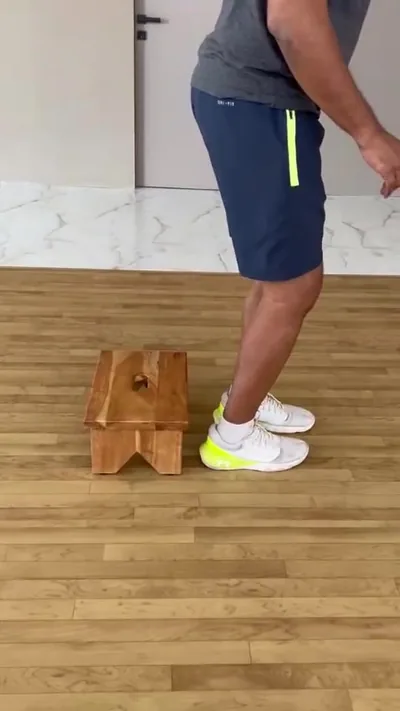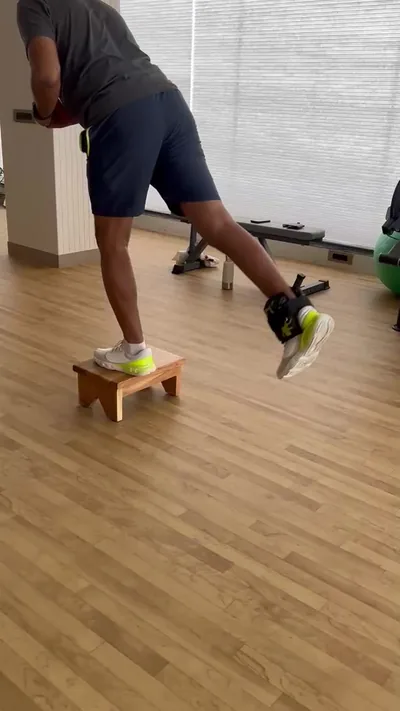
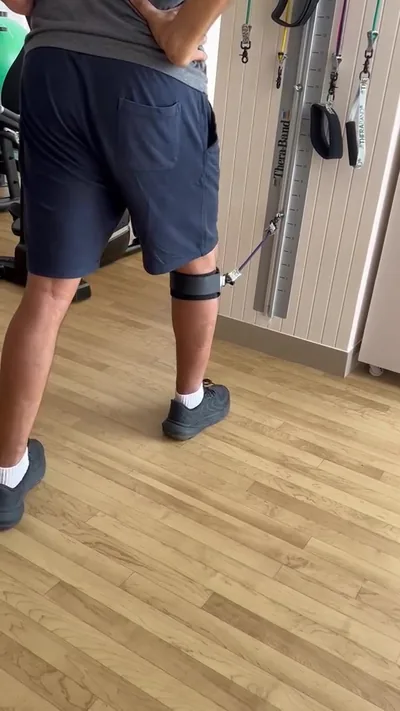
Backward Walking in ACL Rehab Phase 2
Backward walking helps athletes recover from ACL injuries. It builds knee stability in Phase 2 of rehab. This exercise targets quadriceps and improves control after surgery…
Read article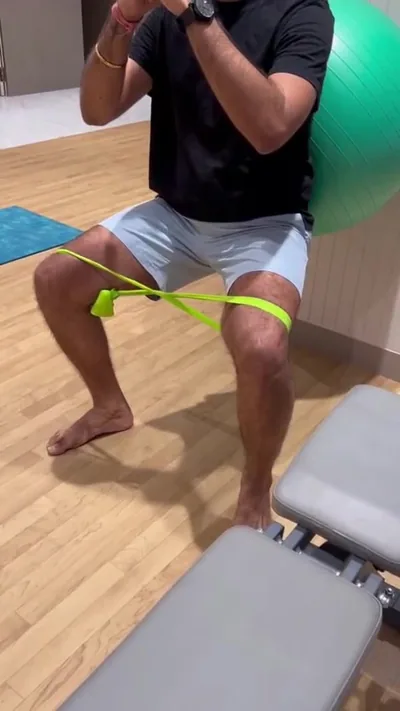

Fast bowlers in Jaipur face high knee strain risk from explosive bowling actions. Poor preparation leads to pain that cuts seasons short. This guide shares a targeted warm-up to protect knees. Jaipur cricket bowlers train hard on dusty local grounds. Heat and long nets demand routines that fight fatigue and build knee resilience.
Young cricketers need warm-ups suited to hot weather. Proper warm-up boosts performance and lowers injury risk. Follow this sequence before every net practice or match.
At Trivayu Physio Center in Vaishali Nagar, we see many bowlers with knee issues. A good warm-up forms the base of cricket bowling knee prevention. Sports injury prevention knee starts with consistent habits.
Fast bowling demands rapid knee bend and push-off. The front knee absorbs huge force at front-foot contact. This stresses the joint with each delivery. Back knee twists during run-up, adding load.
Biomechanics play a key role. Bowlers generate speed through hip rotation and knee extension. Side-on or front-on actions load the knee unevenly. Overuse without rest adds wear. Poor run-up alignment shifts force to one knee. Looking for a Physiotherapy Clinic Near Me? Our team in Vaishali Nagar, Jaipur can assess you in person.
Jaipur bowlers face extra risks. Dusty pitches cause slips that jar knees. Heat leads to early fatigue, making landings sloppy. Young players often skip warm-ups to bowl more overs. Poor footwear slips on dry turf. Weak muscles from unbalanced training raise strain chances. Muscle imbalances from daily nets worsen this. Fast bowlers here push high volumes without recovery days.
A proper warm-up raises blood flow to muscles and joints. It makes tissues more elastic, cutting tear risk during sudden loads. Nerves fire faster for better control.
For knees, it activates supporting muscles like quads, hamstrings, and glutes. Joints lubricate better, handling bowling stress. This prepares you for repeated run-ups and deliveries.
Regular warm-ups build resilience. They improve proprioception, or body position sense, vital for stable landing. Jaipur bowlers benefit from routines that fight heat-induced stiffness. Dynamic moves keep heart rate up without cooling down in the sun. More on Knee Pain Treatment and how we assess it.
Physiotherapists start with your history. They ask about pain timing, like during front-foot landing or run-up. Watch your bowling action on video to spot knee wobble or early collapse.
Hands-on tests check knee stability. They press around the joint for tender spots. Strength tests include single-leg squats to find weak links. Balance drills reveal imbalances.
Expect gait analysis. Walk and jog to see knee tracking. For bowlers, they mimic delivery stride. This spots front knee overload or back knee hyperextension. Tailored fixes follow, like cueing better hip drive.
This 10-15 minute fast bowler warm-up sequence uses dynamic moves and Clinical Pilates & Exercise Therapy principles. Do it before every session. Start slow, build speed. Breathe steadily. In hot Jaipur weather, sip water between steps. Wear grippy shoes for dusty surfaces. You may also find Knee Prevention Warm-Ups for Fast Bowlers in Cricket useful.
End with light jogging for 1 min. This warm up routine cricket style prevents knee strain bowling by priming the full action. Jaipur cricket bowlers gain edge with this heat-proof sequence.
Strength work pairs with warm-ups for bowler knee injury prevention. Target quads, hamstrings, glutes, core, and calves. Do these 2-3 times weekly, post-practice. Use bodyweight first. Rest 1-2 mins between sets. Track form in a mirror.
Progress slowly by adding reps or holds. These cricket knee exercises fight fast bowling knee pain over time. Pair with rest days for Jaipur nets.
Beyond warm-ups, cool down after sessions. Walk 5 mins, then stretch hamstrings gently. Ice knees if sore, 10-15 mins.
Check technique weekly. Film run-ups to ensure front knee doesn’t buckle. Work with a coach on load management—limit overs in heat.
Build slowly. Proper footwear with good cushion absorbs pitch jolts. Hydrate hourly in Jaipur summers.
Sports injury prevention knee means holistic prep. Strong VMO—inner quad muscle—tracks kneecap right. Foam roll tight spots daily.
Watch for pain during or after bowling. Swelling, instability, or popping sounds need checks. Do not ignore ongoing ache or limping.
Trivayu Physio Center offers Orthopaedic Rehabilitation for assessment. Electrotherapy eases pain. Manual Therapy restores movement. Book an in-person visit for tailored plans.
Dr. Jyoti Choudhary, with sports expertise, guides Jaipur cricket bowlers. Locations in Vaishali Nagar and Vidyadhar Nagar make access easy. Expect a full action analysis and home plan.
Use this warm-up routine cricket sequence daily. Strengthen legs and core. Rest between sessions. Proper shoes help on Jaipur pitches. Monitor volume.
Dynamic moves like lunges, leg swings, A-skips, and sport-specific drills. They prepare knees without static holds that cool you down.
High-impact landing stresses the joint. Fatigue, poor technique, and no warm-up add risk. Young bowlers overdo volume on dusty tracks.
If pain lasts over a week, swells, or limits run-up. Get an assessment before it worsens.
They lower risk greatly by preparing tissues. Pair with strength work for best sports injury prevention knee results. No routine guarantees zero injury.
Stop bowling. Ice and rest. Resume light drills next day if better. Persistent issues need physio check.
Stick to this plan for safer bowling. Recovery varies, so listen to your body. Young Jaipur cricketers thrive with smart prep.
Book an assessment at Trivayu Physio Center today. WhatsApp or call +91 90570 65065.
Physiotherapy is not the right first step for everything. Seek medical assessment promptly if any of the following apply to you:
If you lose control of your bladder or bowels, develop numbness around the groin, or have chest pain or breathlessness, treat it as an emergency and go to hospital.
Truly thankful to Dr. Jyoti Choudhary and the entire team of Trivayu Physio Centre for their genuine care, humble behaviour, and excellent treatment.
Mahesh Dhaka, Google review
This is one patient's own account, published with consent on our reviews page. It describes their experience, not a predicted outcome. Individual results vary.
Backward walking helps athletes recover from ACL injuries. It builds knee stability in Phase 2 of rehab. This exercise targets quadriceps and improves control after surgery…
Read articleAfter ACL surgery, rebuilding knee strength takes time and care. ACL rehabilitation phases guide this process step by step. Phase 1 protects the graft and cuts…
Read articleAfter hip replacement surgery, dressing your lower body safely helps build independence. By week 6 of hip replacement recovery, many patients aim to dress without help.…
Read articleMessage us on WhatsApp with your main concern and preferred time, and we'll confirm your first visit the same day.