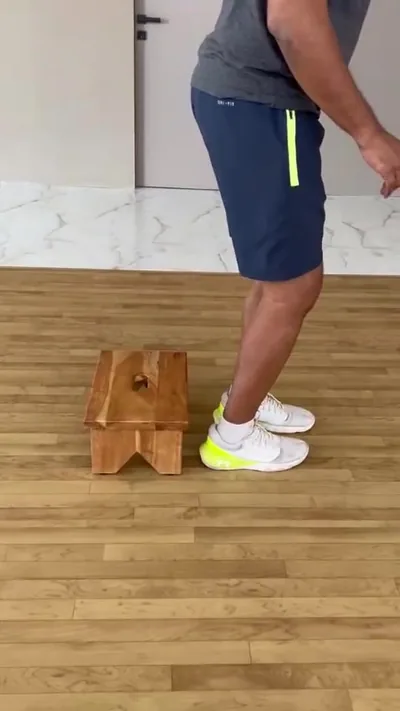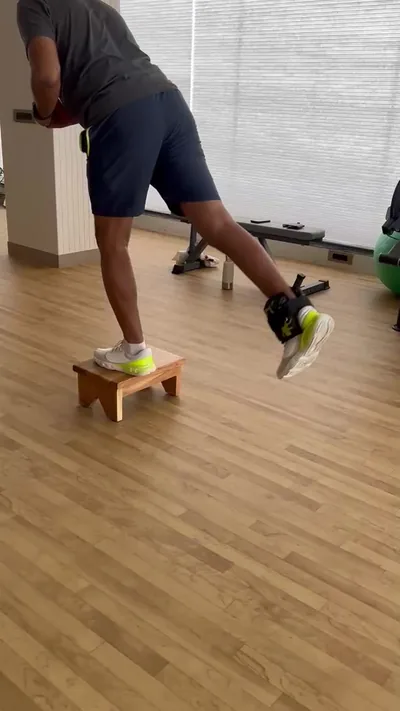
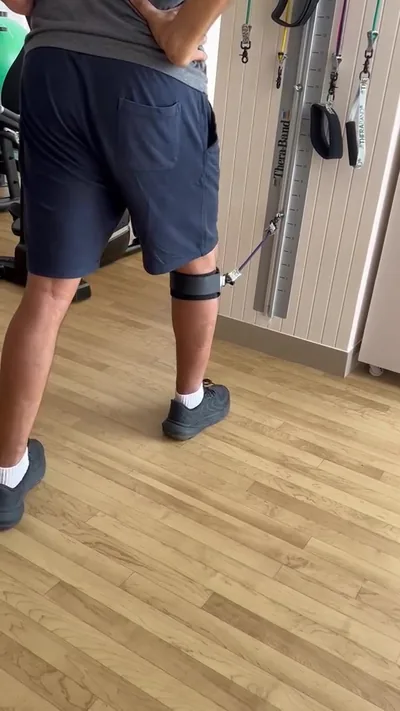
Backward Walking in ACL Rehab Phase 2
Backward walking helps athletes recover from ACL injuries. It builds knee stability in Phase 2 of rehab. This exercise targets quadriceps and improves control after surgery…
Read article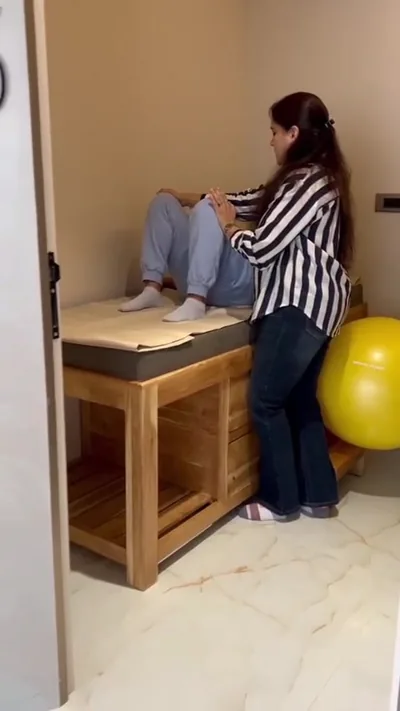

The short answer
Monsoon in Jaipur worsens knee pain due to higher humidity causing joint swelling, temperature drops increasing stiffness, and damp conditions aggravating arthritis or old injuries. Daily management includes warm clothing, supportive footwear, non-slip mats, gentle low-impact exercises like seated knee extensions and heel slides, warm compresses, and anti-inflammatory foods. Seek physiotherapy if pain persists or limits mobility.
Monsoon brings relief from Jaipur’s summer heat, yet many middle-aged adults notice knee pain returning or worsening. Humidity, temperature shifts and damp conditions can increase joint swelling and stiffness in people with arthritis or old knee injuries.
This article shares practical tips on managing knee pain during monsoon in Jaipur. You will find daily habits, safe low-impact knee exercises, home care methods, and clear signs that it is time to seek professional help. Recovery varies from person to person, so these are general suggestions only.
During the rainy season, higher humidity makes it harder for joints to maintain normal fluid balance. This can lead to joint swelling around the knee, especially in people with osteoarthritis or past ligament or meniscus injuries. The damp air lowers body temperature slightly, which increases stiffness and makes movement harder.
Old knee injuries are sensitive because scar tissue and weakened ligaments respond to barometric pressure drops before heavy rain. Cold damp floors cool the muscles and joints directly. The result is more discomfort, reduced knee mobility and a higher chance of flare-ups.
Small changes in routine can limit the effect of monsoon weather on your knees. Wear warm, loose clothing that covers the legs. Choose supportive footwear with good grip and avoid walking barefoot on cold damp floors. Place rubber mats or rugs in frequently used areas to insulate against moisture. Looking for a Rehabilitation Centre Near Me? Our team in Vaishali Nagar, Jaipur can assess you in person.
Stay active with short walks inside the house when rain allows. Avoid sitting in one position for long periods. Include warm foods, ginger, turmeric and adequate protein while limiting salty snacks that may increase swelling. Keep a light shawl or blanket handy for evenings when temperature drops.
Gentle movement is important even on rainy days. Low-impact knee exercises improve blood flow, strengthen supporting muscles and reduce stiffness. Always move slowly, stop if pain increases sharply, and maintain proper form. These exercises are general and not a substitute for personalised assessment.
Perform each movement 8–10 times, once or twice daily, in a clean, dry space. Breathe normally.
Clinical Pilates and exercise therapy under guidance can build on these movements. Begin only after confirming the exercises suit your specific condition.
Warm compress for knees is one of the easiest methods during monsoon. Soak a clean towel in warm water, wring it out, and place it over the knee for 10–15 minutes. This eases stiffness and improves blood flow. Repeat two to three times a day.
Gentle self-massage with oil can relax tight muscles around the knee, but use light pressure and avoid inflamed areas. Sit with your back supported and feet flat on the floor to maintain good posture. Read more about our Pain Management.
Use supportive aids such as a knee cap or elastic bandage only if advised, and remove them at night. Balance rest and movement: rest when pain is sharp, but move gently when stiffness is the main complaint.
If knee pain disturbs sleep, limits walking distance, or swelling does not reduce after a few days, home care alone may not be sufficient. Increasing redness, warmth, or sudden locking of the knee are also signs to seek help.
A physiotherapist can provide an in-person assessment to identify the exact cause. At Trivayu Physio Center in Vaishali Nagar, Jaipur, the team uses manual therapy, myofascial release, Class IV High Power Laser Therapy, TECAR Therapy and Robotic Spinal Decompression Therapy when appropriate.
Higher humidity, lower temperatures and dampness cause joint swelling and stiffness. Old injuries and arthritic knees react to changes in barometric pressure, making pain and reduced mobility more common. You may also find Hip Strengthening for Knee Pain When Climbing Stairs useful.
Seated knee extensions, heel slides, side leg lifts, standing hamstring curls and ankle pumps are safe low-impact knee exercises. Perform them slowly with proper form and stop if pain increases.
Use warm clothing, avoid cold damp floors, apply warm compresses, keep moving gently, and strengthen quadriceps with suitable exercises. Good daily habits reduce the chance of flare-ups in monsoon.
See a physiotherapist if pain affects sleep or walking, swelling persists, or home care brings little relief after several days. An assessment helps choose the right treatment for your condition.
Managing knee pain during monsoon in Jaipur is possible with consistent daily habits, safe movement and timely care. Listen to your body, stay warm and dry, and keep mobility as your goal.
If your knee pain is not settling, book an assessment at Trivayu Physio Center. Call +91 90570 65065 or message on WhatsApp to arrange a convenient time.
Physiotherapy is not the right first step for everything. Seek medical assessment promptly if any of the following apply to you:
If you lose control of your bladder or bowels, develop numbness around the groin, or have chest pain or breathlessness, treat it as an emergency and go to hospital.
I highly recommend Jyoti Ma'am and her team. I first visited her for a ligament injury in my knees, and with her expert treatment and therapies, I made a complete recovery.
Richa Tailang, Google review
This is one patient's own account, published with consent on our reviews page. It describes their experience, not a predicted outcome. Individual results vary.
Backward walking helps athletes recover from ACL injuries. It builds knee stability in Phase 2 of rehab. This exercise targets quadriceps and improves control after surgery…
Read articleAfter ACL surgery, rebuilding knee strength takes time and care. ACL rehabilitation phases guide this process step by step. Phase 1 protects the graft and cuts…
Read articleAfter hip replacement surgery, dressing your lower body safely helps build independence. By week 6 of hip replacement recovery, many patients aim to dress without help.…
Read articleMessage us on WhatsApp with your main concern and preferred time, and we'll confirm your first visit the same day.