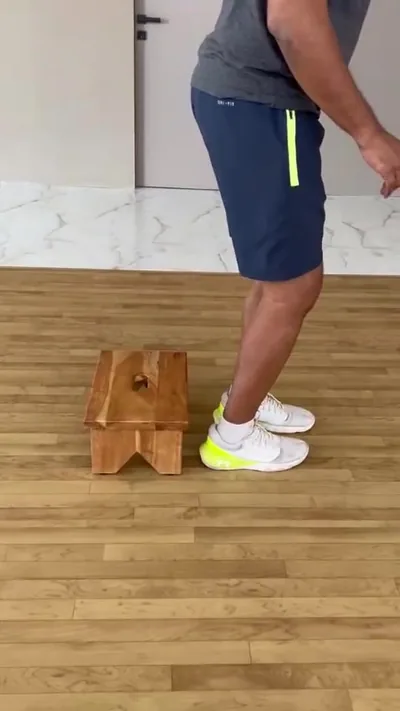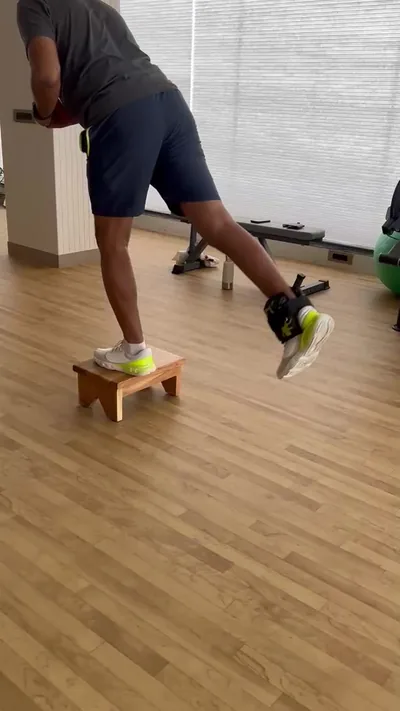
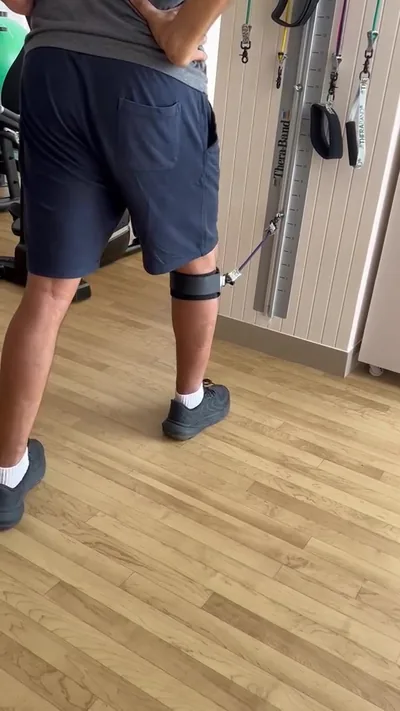
Backward Walking in ACL Rehab Phase 2
Backward walking helps athletes recover from ACL injuries. It builds knee stability in Phase 2 of rehab. This exercise targets quadriceps and improves control after surgery…
Read article

The short answer
Weak hips cause knee pain when climbing stairs as they fail to keep the knee aligned, leading to inward collapse known as knee valgus and extra stress on the knee joint. Strengthening hip muscles like gluteus medius and maximus improves load transfer from hips to knees. Targeted exercises such as side-lying leg lifts and glute bridges help control alignment and reduce discomfort.
Many adults in Jaipur feel knee pain when climbing stairs. Often the real cause is not in the knee but in weak hips. Strengthening the hips can improve load transfer from hips to knees and reduce discomfort during daily activities.
Targeted hip exercises help control knee alignment and help reduce knee valgus. This article explains the link between weak hips and knee pain, shows safe home hip strengthening exercises, and offers progressions. Remember, these are general suggestions. An in-person assessment at a physiotherapy centre is important for your specific condition.
When you climb stairs, your hips and knees work together. Weak hip muscles fail to keep the knee in proper alignment. This causes the knee to collapse inward, known as knee valgus. The result is extra stress on the knee joint.
Climbing stairs biomechanics place high demand on the hip abductors. If these muscles are weak, the load transfers poorly from hips to knees. Over time this can lead to pain around the kneecap or along the joint line. Simple daily tasks become uncomfortable. Improving hip strength helps restore better control and reduces the strain felt on stairs.
The gluteus medius is the main stabiliser on the side of the hip. It helps reduce the pelvis from dropping and keeps the knee tracking straight. The gluteus maximus powers hip extension and supports posture during stair climbing. Looking for a Physiotherapy Clinic Near Me? Our team in Vaishali Nagar, Jaipur can assess you in person.
Other hip stabilisers, including smaller rotators and abductors, work together for knee valgus control. When these muscles are strong, they absorb force and guide smooth movement. Weakness in any of them increases pressure on the knee. At Trivayu Physio Center our team teaches patients how these muscles work in plain language so they can feel the difference during exercise therapy.
You can begin these exercises without equipment. Focus on good form and controlled movement. Stop if you feel sharp knee pain. Breathe out during the effort and in during the release.
Perform these as part of your daily routine. Our physiotherapists often add manual therapy cues during sessions to help patients feel the correct muscles working.
Once the basic moves feel easy, add gradual difficulty. Good form always comes before extra repetitions or resistance. This protects your knees and improves hip abductor strengthening.
For side-lying leg lifts, add ankle weights or a resistance band around the thighs. Progress to standing hip abduction with a band for added resistance. In glute bridges, move to single-leg bridges by lifting one foot off the floor. Keep the pelvis level to maintain knee valgus control. Read more about our Geriatric Physiotherapy.
Clamshells can progress by adding a resistance band just above the knees. For standing hip abduction, try slow controlled steps sideways against band resistance. These progressive resistance exercises build strength for real-life stair climbing. Increase difficulty only when you can complete two sets of 12 repetitions with perfect posture.
Clinical Pilates style movements at the clinic help patients learn these progressions safely. The focus remains on posture correction for knee relief and smooth load transfer from hips to knees.
If knee pain on stairs continues after two weeks of careful home exercise, seek an assessment. Persistent pain may need personalised guidance. At Trivayu Physio Center in Vaishali Nagar, Jaipur, our experienced team provides orthopaedic physiotherapy, posture correction, manual therapy, clinical Pilates and advanced electrotherapy.
Dr. Jyoti Choudhary, senior sports and orthopaedic physiotherapist with 17 years of experience, leads the team. We also offer home visits and online consultation for convenience. An in-person check helps identify the exact cause and creates a safe plan to reduce your symptoms. You may also find Knee Pain While Climbing Stairs: Daily Strategies useful.
Weak hips allow the knee to collapse inward during the upward push. This changes climbing stairs biomechanics and increases pressure on the knee joint. Strengthening the hips restores better alignment and reduces pain.
Focus on the gluteus medius for stability and the gluteus maximus for power. These hip stabilisers improve knee valgus control and support smooth load transfer from hips to knees.
Yes. Side-lying leg lifts, bridges, clamshells and standing hip abduction use only body weight. Perform them with care and stop if pain increases.
Most people benefit from three to four sessions per week. Allow one rest day between targeted sessions. Consistency matters more than daily effort. Combine with gentle walking on flat ground.
See a physiotherapist if pain lasts more than two weeks, worsens with activity, or affects daily walking. An assessment rules out other causes and guides safe progress.
Stronger hips can make climbing stairs easier and reduce knee discomfort. Start with the basic exercises shown here, but do not ignore ongoing pain. Book an assessment at Trivayu Physio Center. Call +91 90570 65065 or message on WhatsApp to arrange a convenient time.
Physiotherapy is not the right first step for everything. Seek medical assessment promptly if any of the following apply to you:
If you lose control of your bladder or bowels, develop numbness around the groin, or have chest pain or breathlessness, treat it as an emergency and go to hospital.
I highly recommend Jyoti Ma'am and her team. I first visited her for a ligament injury in my knees, and with her expert treatment and therapies, I made a complete recovery.
Richa Tailang, Google review
This is one patient's own account, published with consent on our reviews page. It describes their experience, not a predicted outcome. Individual results vary.
Backward walking helps athletes recover from ACL injuries. It builds knee stability in Phase 2 of rehab. This exercise targets quadriceps and improves control after surgery…
Read articleAfter ACL surgery, rebuilding knee strength takes time and care. ACL rehabilitation phases guide this process step by step. Phase 1 protects the graft and cuts…
Read articleAfter hip replacement surgery, dressing your lower body safely helps build independence. By week 6 of hip replacement recovery, many patients aim to dress without help.…
Read articleMessage us on WhatsApp with your main concern and preferred time, and we'll confirm your first visit the same day.