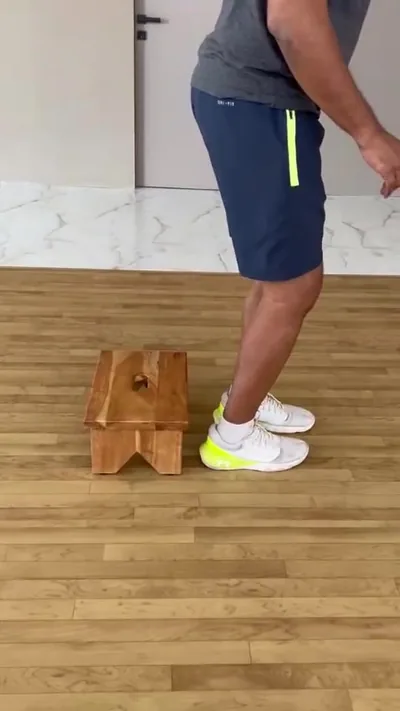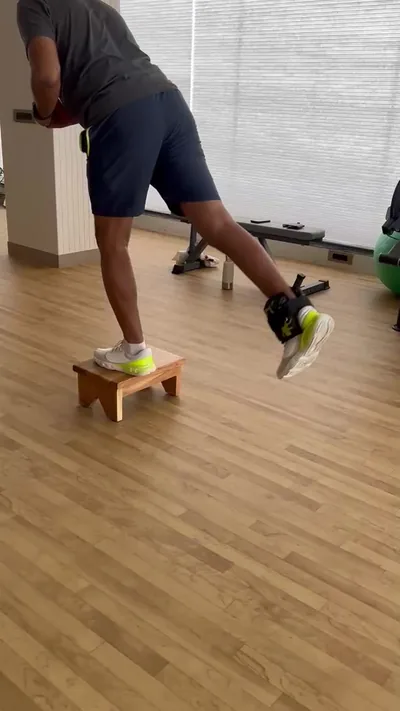
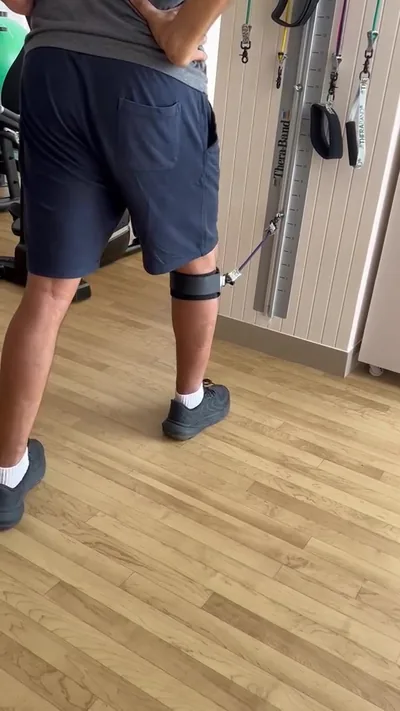
Backward Walking in ACL Rehab Phase 2
Backward walking helps athletes recover from ACL injuries. It builds knee stability in Phase 2 of rehab. This exercise targets quadriceps and improves control after surgery…
Read article

The short answer
In the first week after partial meniscectomy, do gentle bed exercises like quad sets, ankle pumps, small heel slides, straight leg raises if comfortable, and gentle knee bends. These reduce stiffness, improve circulation, and activate muscles while lying on your back. Stop if sharp pain occurs and follow surgeon's instructions.
Partial meniscectomy is a common knee arthroscopy procedure. The surgeon removes the damaged part of the meniscus, the shock-absorbing cartilage in the knee.
In the first week you may feel pain, swelling and stiffness. Gentle knee movements after surgery can reduce stiffness and keep blood flowing.
These bed exercises are useful while waiting for your first physiotherapy visit. They prepare the knee for rehab but do not replace professional guidance.
Stop if you feel sharp pain. Mild discomfort is common but anything more means rest. Use ice and elevation to manage swelling.
Follow your surgeon’s exact instructions. Every knee is different after arthroscopy. An in-person assessment at a physiotherapy centre is essential before progressing beyond gentle movements.
Do the exercises only when lying comfortably in bed. Never force the knee.
Swelling after knee arthroscopy can slow muscle recovery and increase stiffness.
Start with these gentle knee movements after surgery. All can be done lying on your back in bed.
Move only as far as comfortable without sharp pain. Safe range of motion after arthroscopy in week one is usually small.
Try 8 to 10 slow repetitions of each movement, three to four times a day. Rest between sets. Never increase until the knee feels calmer. Looking for a Rehabilitation Centre Near Me? Our team in Vaishali Nagar, Jaipur can assess you in person.
Many patients wait three to seven days before their first appointment. During this time the main goals are pain control, swelling reduction and gentle muscle activation. Read more about our Post-Surgery & Joint Replacement Rehab.
Avoid deep knee bends, twisting the leg, or letting the knee hang over the edge of the bed for long periods.
Watch for signs that need immediate medical attention: increasing redness, warmth, severe swelling, fever, or calf pain.
Attend your first physiotherapy appointment as soon as scheduled. A proper assessment lets the physiotherapist build a complete plan.
Professional rehab after the first week helps restore strength, balance and normal walking.
Quad sets, ankle pumps, small heel slides, straight leg raises if comfortable, and very gentle knee bends are safe options while lying in bed.
Eight to ten slow repetitions of each movement, three to four times a day, is a reasonable starting point. Stop immediately if pain increases.
Small, controlled bends are usually allowed if they cause no sharp pain. Never force the movement.
Avoid deep bends, twisting the knee, prolonged knee hanging, or putting full weight on the leg without support. These can stress the healing meniscus and increase swelling. You may also find Knee Exercises After 4 Weeks of Knee Surgery useful.
Most surgeons advise starting physiotherapy within the first two weeks.
Partial meniscectomy recovery improves when gentle movement and professional care work together. In the first week the focus is on controlling swelling, waking up the quadriceps, and moving the knee within comfortable limits. Heel slides after meniscectomy and quad sets in bed form the base of most home programmes. Straight leg raises in bed are added only when the muscle can hold the knee straight. Reducing knee swelling with regular elevation and ice makes all other exercises easier. While waiting for your first physiotherapy visit, keep a simple daily record of knee bend, time with leg raised, and pain changes after exercises. Bring this record to the clinic. A physiotherapist at Trivayu Physio Center will use it to create a plan that matches your exact stage of healing, using manual therapy to loosen tight tissues, exercise therapy to build strength step by step, and electrotherapy when needed to reduce pain and swelling. This measured approach helps you regain smooth knee movement and return to daily walking with confidence. If you have had recent knee arthroscopy, book an assessment at Trivayu Physio Center in Vaishali Nagar or Vidyadhar Nagar. Call us or message on WhatsApp to arrange your first visit.
Physiotherapy is not the right first step for everything. Seek medical assessment promptly if any of the following apply to you:
If you lose control of your bladder or bowels, develop numbness around the groin, or have chest pain or breathlessness, treat it as an emergency and go to hospital.
Backward walking helps athletes recover from ACL injuries. It builds knee stability in Phase 2 of rehab. This exercise targets quadriceps and improves control after surgery…
Read articleAfter ACL surgery, rebuilding knee strength takes time and care. ACL rehabilitation phases guide this process step by step. Phase 1 protects the graft and cuts…
Read articleAfter hip replacement surgery, dressing your lower body safely helps build independence. By week 6 of hip replacement recovery, many patients aim to dress without help.…
Read articleMessage us on WhatsApp with your main concern and preferred time, and we'll confirm your first visit the same day.