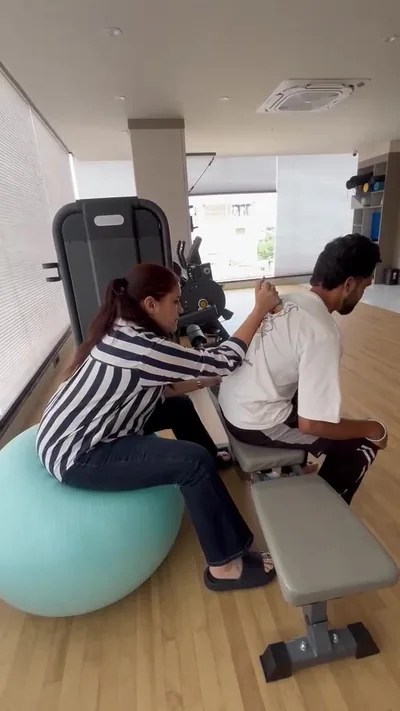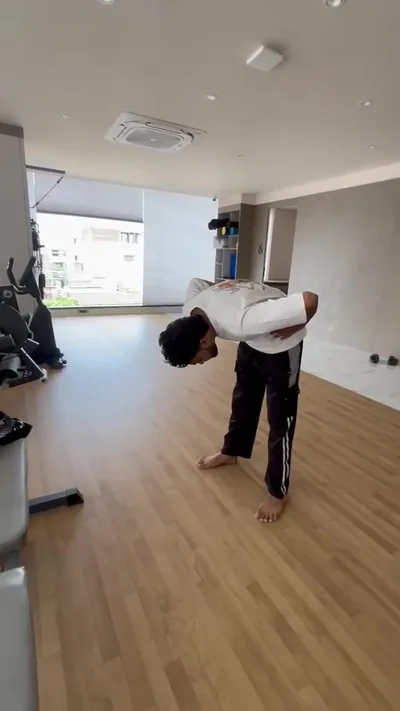
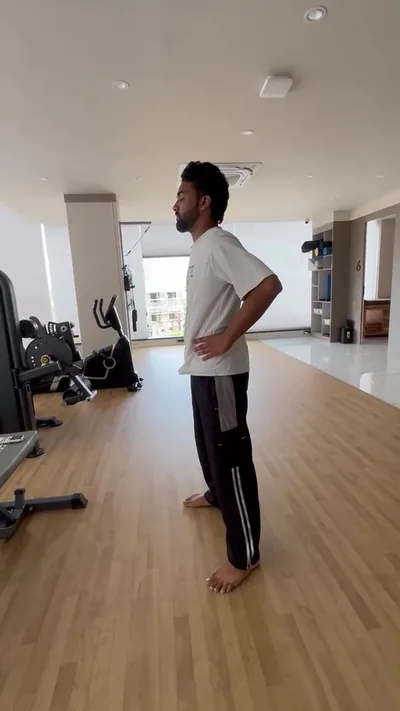
Is Side Bending Safe with L4 L5 Herniated Disc
An L4 L5 herniated disc happens when the disc between your fourth and fifth lumbar vertebrae bulges or ruptures. This presses on nearby nerves, causing pain…
Read article
Swelling is common in the first week after knee arthroscopy. Inflammation causes fluid buildup around the knee. It peaks around days 2 to 5. The knee feels tight. Range of motion drops. Walking hurts more.
Surgery cuts tissues and triggers healing. Blood flow increases. Fluid leaks from blood vessels into joint spaces. This leads to puffiness, pain and stiffness. Most swelling eases with early steps. Unmanaged swelling slows recovery. It weakens muscles fast.
When to worry? If swelling worsens after day 5 or spreads up the leg or to the ankle. Redness over a wide area, heat or fever signals infection. Calf tenderness or pain when squeezing means possible clot. Chest pain, breathlessness or coughing blood needs urgent hospital care. Get an in-person check from your surgeon or physio. Track swelling daily with photos. Measure knee width with tape at widest point.
At Trivayu Physio Center in Vaishali Nagar, Jaipur, we stress a physio visit soon after surgery. A physio checks fluid levels by touch and measures joint gaps. They spot issues early.
Elevation uses gravity to drain fluid back to the body core through veins and lymph channels.
Lie on your back on a firm bed. Use 2-3 firm pillows under your calf only. Keep knee bent at 20-30 degrees. Place heel off pillows. If sitting, rest leg on a stool higher than hips with pillows under calf. Avoid crossing legs or dangling foot low. Looking for a Physiotherapy Near Me? Our team in Vaishali Nagar, Jaipur can assess you in person.
Aim for 45-60 minutes, 3-4 times a day in week 1. Do it after meals. In hot Jaipur weather, use a fan.
Common mistakes: Elevating too low. Elevating with knee straight traps fluid. Pillows under thigh block drainage. Crossing ankles squeezes veins. Combine with rest. No walking between sessions. If pain builds, ease height.
Trivayu Physio Center tailors leg elevation plans. They teach pillow setups in your home during visits.
Compression squeezes veins gently to push fluid out. Use elastic bandages or sleeves for medical use.
Types: Tubigrip bandages or fitted knee sleeves with velcro. Your surgeon provides one post op. Buy medical-grade from a pharmacy if lost. Size by calf widest point. Avoid tight socks.
Sit with leg straight. Start at foot top, just below toes. Wrap upwards evenly to mid-thigh. Overlap by half bandage width. Secure without folds. Check toes stay pink, warm and move freely.
Tightness test: Slip one finger under edge. Not too loose or tight. Adjust every few hours. Remove at night unless surgeon says keep on. Reapply fresh daily after shower.
Leave on during elevation. If skin itches, pat dry first. Electrotherapy boosts fluid flow in tissues.
A physio shows wrapping to match your leg shape.
Ice numbs pain and shrinks blood vessels to cut fluid leak. Use after day 1. Wrap ice pack or frozen peas in thin cloth. Never skin to ice. More on Knee Pain Treatment and how we assess it.
Apply 15-20 minutes every 2 hours while awake. Ice on till numb, off 45-60 minutes. Stop if skin turns white or blisters. In week 1, ice front and sides of knee. Avoid back of knee.
Physio tests skin before icing. Combine with compression. Home tip: Freeze water in paper cup, peel down and rub if pack too cold.
Pair elevation and compression in first week. Add ice. Gentle movement prevents stiffness. Ankle pumps: Point toes down, then up 10 times hourly. Ankle circles: 5 each way. No knee bends or weight on foot. Drink 2-3 litres water daily unless doctor limits.
Mild ache during rest is normal. Sharp pain means too much activity. Elevate more. Avoid stairs, deep chairs or driving week 1. Sleep with pillow under calf.
Keep bandage dry. Shower with plastic wrap over knee. Loose clothes. Crutches off ground if non-weight bear.
For personalised plan, visit a Jaipur physio knee rehab specialist. Track progress: Swelling size, pain level 1-10, sessions done.
Physiotherapist checks day 3-5 post op. Notes swelling by pressing for fluid shift. Guides passive knee glides without muscle work. Manual Therapy clears tight bands. Week 1 goal: Reduce fluid, protect incisions. You may also find Knee Replacement Swelling Week 3: Elevation Tips useful.
First visit: Physio measures knee bend angle. Tests muscle power. Fits compression sleeve. Teaches ankle exercises. Electrotherapy pulses energy to ease deep swelling. Home plan: Daily log, next visit. Jaipur physio knee rehab builds to walking.
Red flags: Sudden swelling increase after day 5, calf tenderness, skin hot or red streaks. Short breath, chest pain or fast heartbeat needs urgent doctor care.
Contact physio if swelling blocks straight leg raise or lasts beyond week 1. Popping or grinding flags check.
At Trivayu Physio Center, Vaishali Nagar or Vidyadhar Nagar, our team handles post-op rehab. Dr. Jyoti Choudhary has 17+ years in orthopaedics. Dr. Hritika Choudhary leads electrotherapy. Dr. Ajit Choudhary covers post-surgery cases. Orthopaedic Rehabilitation restores knee function.
We offer home visits and online consults. Book for tailored knee surgery swelling reduction.
Call +91 90570 65065 or WhatsApp to start.
Elevate above heart level 3-4 times daily, 45-60 mins. Use compression bandage. Ice wrapped 15 mins every 2 hours. Rest with ankle pumps. Hydrate. See physio day 3-5.
Yes. Calf on 2-3 pillows, knee bent slight, 45-60 minutes 3-4 times day. Heel free, no thigh pillows.
Elastic Tubigrip or surgeon sleeve. Wrap even from toes up. Finger slips under. Check toes pink every 2 hours. Reapply daily.
Peaks week 1, eases week 2, much less by week 3-4 with care. Full drop varies by person, surgery type and follow-up.
Day 3-5 post op or sooner if red flags. Trivayu Physio Center guides first week with hands-on checks and electrotherapy.
No. Use crutches, partial or no weight as surgeon says. Physio teaches gait with support.
Follow these tips for smoother knee arthroscopy recovery. Proper swelling control sets up strong rehab. Book an in-person assessment at Trivayu Physio Center today. WhatsApp +91 90570 65065 or call for quick help.
Physiotherapy is not the right first step for everything. Seek medical assessment promptly if any of the following apply to you:
If you lose control of your bladder or bowels, develop numbness around the groin, or have chest pain or breathlessness, treat it as an emergency and go to hospital.
Truly thankful to Dr. Jyoti Choudhary and the entire team of Trivayu Physio Centre for their genuine care, humble behaviour, and excellent treatment.
Mahesh Dhaka, Google review
This is one patient's own account, published with consent on our reviews page. It describes their experience, not a predicted outcome. Individual results vary.
An L4 L5 herniated disc happens when the disc between your fourth and fifth lumbar vertebrae bulges or ruptures. This presses on nearby nerves, causing pain…
Read articleShopkeepers in Jaipur often stand for long hours behind counters. This prolonged standing can trigger sciatica pain. Sciatica happens when the sciatic nerve gets irritated, often…
Read articleHerniated disc night pain disrupts sleep for many. The disc bulge presses on nerves, causing sharp back pain or sciatica that flares up at night. Simple…
Read articleMessage us on WhatsApp with your main concern and preferred time, and we'll confirm your first visit the same day.