

Is Side Bending Safe with L4 L5 Herniated Disc
An L4 L5 herniated disc happens when the disc between your fourth and fifth lumbar vertebrae bulges or ruptures. This presses on nearby nerves, causing pain…
Read article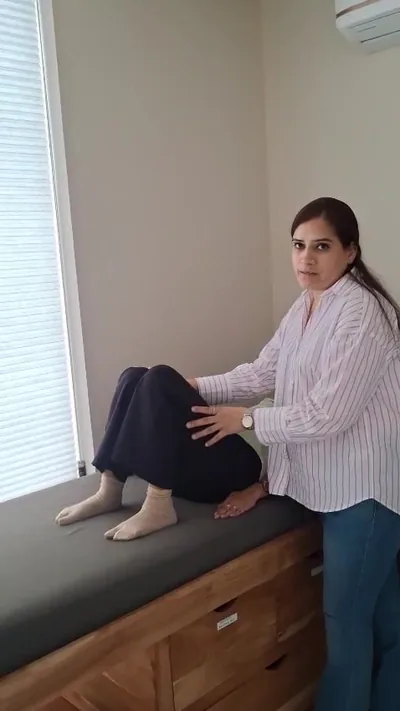

After knee replacement surgery, using an Indian toilet poses a real challenge. Many in Jaipur face this daily. The squat needed stresses the new joint. Rushing leads to pain or harm. A gradual approach lets you return to normal life safely.
Progressive lowering builds knee strength step by step. It matches your recovery stage. This method adapts to our cultural needs without overload. Start simple and advance only when ready. Trivayu Physio Center in Vaishali Nagar helps with knee replacement rehab Jaipur. Trained physiotherapists guide safe squatting post surgery. They tailor plans to Indian style toilet use.
Indian toilets require a deep squat. Feet flat, knees bend fully, hips drop low. This feels natural before surgery. Post knee replacement, the new joint needs time to heal. The surgery replaces worn surfaces with metal and plastic parts. Swelling and stiffness limit motion early on.
Common fears include knee pain, instability or falls. Doctors often restrict squatting early on. The joint faces high load in full squat. Weak muscles around the knee add risk. Quadriceps weaken from disuse. Hamstrings and glutes need retraining too. Balance shifts as you adapt to the new joint feel.
Gradual adaptation matters. It restores function without joint stress. Safe Indian toilet physiotherapy preserves surgery gains. Ignoring this delays daily tasks like using the toilet. In Jaipur homes, Western toilets are not always an option. Cultural squat adaptation becomes key for independence.
Progressive squat training follows recovery phases. Physiotherapists assess your knee range, strength and balance first. They adjust based on your progress. This avoids overload on the implant. Looking for a Physiotherapy Near Me? Our team in Vaishali Nagar, Jaipur can assess you in person.
It has clear phases:
This knee replacement squat method strengthens muscles. It improves balance and joint range. Go slow to avoid setbacks. Track daily with a notebook: note pain levels, reps completed and ease of movement.
Beginner exercises suit early recovery. Advance as strength grows. Do them daily, but listen to your body. Warm up with 5 minutes of walking. Breathe steadily: exhale on effort, inhale on ease.
Builds base control. Add ankle pumps: point and flex foot 10 times per set. This boosts circulation and reduces swelling.
This mimics toilet rise. Follow with step-ups: use a 10 cm step. Step up with surgery leg first, then down. 5 per leg. Strengthens knee extensors safely.
Use a sturdy rope, grab bar or door frame for support. Feet apart at shoulder width, toes turned out 15-30 degrees for Indian toilet stance. Lower hips as low as comfortable. Knees track over toes. Hold 10 seconds, rise using glutes. 5 repeats. More on Knee Pain Treatment and how we assess it.
Add single-leg balance: stand on surgery leg 20 seconds, eyes open then closed. Builds proprioception for squat stability.
Frequency: 2-3 sets daily. Rest if sore. Orthopaedic Rehabilitation at the clinic refines these. Knee strengthening exercises target quads, hamstrings and calves precisely.
Specific knee strengthening exercises prepare for cultural squat adaptation. Do them on a mat for comfort. Progress by adding resistance bands later, under guidance.
Combine with core work: plank on knees 10-20 seconds. A strong core stabilises the squat. Practice in front of mirror to check form: knees not caving in, back neutral.
Physiotherapists at Trivayu watch your form closely. They use hands-on cues to correct alignment. Expect sessions to include warm-up, exercises, squat practice and cool-down stretches. Home programs come with photos or videos for accuracy.
For Indian toilet practice, they simulate with padded platforms. Feet placement gets customised: wider for stability if hip tight. Progress means less support, more reps. Sessions build confidence through repetition.
Recovery timelines vary. Most start light exercises at 4-6 weeks post surgery. Full squat may take 3-6 months or more. Check with your surgeon first.
Signs of readiness: Walk without aid, bend knee over 90 degrees without pain, good balance on one leg. Can you climb stairs alternating legs?
Warning signs to stop: Sharp pain, swelling, instability or clicking. Ice knee 15 minutes, elevate and rest then. Seek help if persists over 48 hours. Avoid slippery floors. Wear supportive shoes with good grip during practice. You may also find Knee Replacement Indian Toilet Squat Month 2 useful.
Always get in-person assessment at Trivayu Physio Center Vaishali Nagar. Self-practice risks injury. Professional eyes spot issues early, like muscle imbalances.
Dr. Jyoti Choudhary, with 17+ years in orthopaedics, leads post knee replacement care. She serves the Rajasthan Women’s Cricket Team. Dr. Hritika Choudhary excels in post-op rehab.
They use Manual Therapy for joint mobility and Electrotherapy for pain relief. Techniques like Robotic Spinal Decompression aid if back issues link in, as squats load the spine too. Home visits cover Jaipur, including Vidyadhar Nagar.
Get custom progressive squat training. Clear explanations build confidence. Plans include knee strengthening exercises and Indian toilet simulation.
Yes, with time and training. Progressive methods make Indian toilet after knee replacement possible. Avoid early full squats. Use a toilet stool as interim aid.
Use progressive lowering. Start supported, build to knee replacement squat. Support feet wide, core tight, descend slowly over 3-5 seconds.
Light squats around 4-6 weeks if cleared. Full Indian style toilet knee replacement squat later. Varies by person and healing.
Wall squats, chair squats, assisted lowers, straight leg raises. Pair with knee strengthening exercises under guidance.
Yes, when supervised. It matches safe squatting post surgery to your strength. Reduces re-injury risk by building tolerance gradually.
Plans focus on Indian toilet needs. Include wide stance practice and home setup tips, like grab bars near toilet.
Safe squatting returns your routine. Build strength steadily for lasting results. Cultural squat adaptation succeeds with patience. Book an assessment at Trivayu Physio Center today. WhatsApp or call +91 90570 65065 for knee replacement Indian toilet guidance.
Physiotherapy is not the right first step for everything. Seek medical assessment promptly if any of the following apply to you:
If you lose control of your bladder or bowels, develop numbness around the groin, or have chest pain or breathlessness, treat it as an emergency and go to hospital.
Truly thankful to Dr. Jyoti Choudhary and the entire team of Trivayu Physio Centre for their genuine care, humble behaviour, and excellent treatment.
Mahesh Dhaka, Google review
This is one patient's own account, published with consent on our reviews page. It describes their experience, not a predicted outcome. Individual results vary.
An L4 L5 herniated disc happens when the disc between your fourth and fifth lumbar vertebrae bulges or ruptures. This presses on nearby nerves, causing pain…
Read articleShopkeepers in Jaipur often stand for long hours behind counters. This prolonged standing can trigger sciatica pain. Sciatica happens when the sciatic nerve gets irritated, often…
Read articleHerniated disc night pain disrupts sleep for many. The disc bulge presses on nerves, causing sharp back pain or sciatica that flares up at night. Simple…
Read articleMessage us on WhatsApp with your main concern and preferred time, and we'll confirm your first visit the same day.

