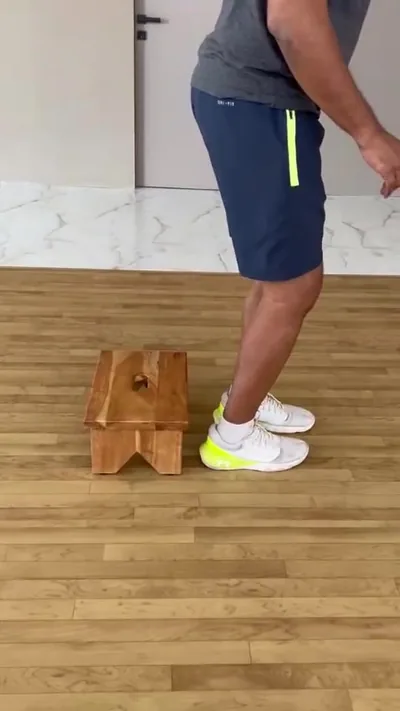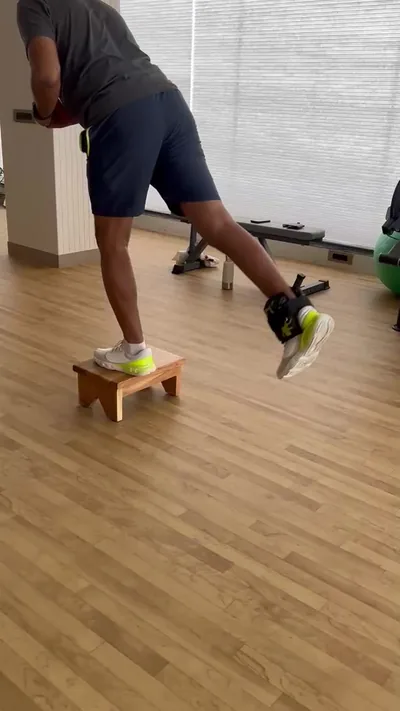
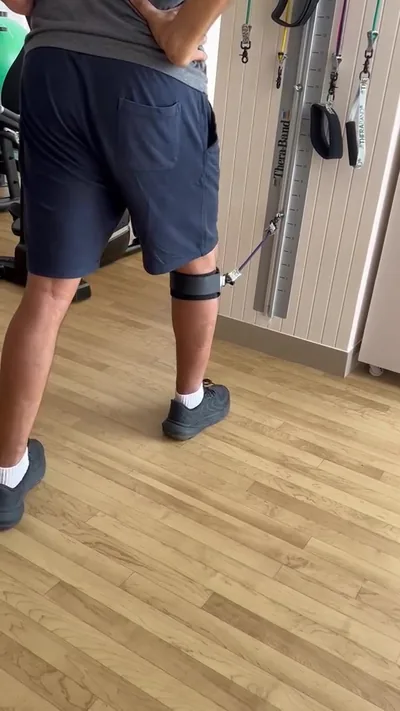
Backward Walking in ACL Rehab Phase 2
Backward walking helps athletes recover from ACL injuries. It builds knee stability in Phase 2 of rehab. This exercise targets quadriceps and improves control after surgery…
Read article

Frozen shoulder causes stiff and painful shoulder joints. Known as adhesive capsulitis, it limits movement. Night pain often wakes people from sleep. This article shares sleep positions for frozen shoulder and tips to ease discomfort. It covers symptoms at night and ways to find comfortable sleep.
Pain worsens at night due to inflammation and poor positions. Symptoms include sharp aches when lying down, throbbing pulses, or burning sensations as you shift. Shoulder pain builds if the arm hangs unsupported. Proper habits help. Always see a physiotherapist for a full check. Recovery varies.
These tips support daily management. They do not replace medical advice. Trivayu Physio Center in Jaipur treats shoulder pain at night.
Frozen shoulder starts with pain then stiffness. The shoulder capsule thickens and tightens. This leads to night pain that disturbs rest. Painful positions make it worse as muscles tense and ligaments pull.
Why does pain increase at night? Lying down raises blood flow to the area. Without daytime movement, stiffness builds. Gravity pulls on the arm. This sparks pain. The inflamed capsule gets stress from immobility. Signs include sudden jolts when rolling over or a deep ache. Looking for a Physiotherapist in Jaipur? Our team in Vaishali Nagar, Jaipur can assess you in person.
Common signs include throbbing when turning in bed. You may hold the arm still or wake holding the elbow close to the chest. Proper positions lessen pressure. They aid pain relief during sleep. Without them, pain stops sleep and poor sleep worsens pain.
A physiotherapist assesses range of motion, active and passive movement, and night pain patterns. This guides a plan. These changes help short-term. Book an in-person assessment.
Choose positions that keep the shoulder neutral. Avoid hanging the arm or twisting. Here are four practical ones with steps. Test them one by one. More on Frozen Shoulder Treatment and how we assess it.
This works for many. It keeps the shoulder level.
It stops the arm from rolling outward. This reduces strain on the capsule. Adjust pillow height so the elbow sits at waist level.
This keeps the sore shoulder supported. It cuts pain by preventing backward pull. If no body pillow, stack two firm ones.
The slant uses gravity to ease joint pull. Good when flat positions hurt.
Never sleep on the sore side or belly. These twist the shoulder and boost pain. Test positions before full sleep. Share results with your physiotherapist.
Build habits for better rest. These pair with positions.
Electrotherapy calms swelling. Manual Therapy loosens tight tissues. Do stretches daily but stop if pain grows. Track pain level 1-10 before and after bed.
A session starts with history. You describe night pain patterns. The therapist measures shoulder angles with a goniometer. They palpate tender spots in rotator cuff or capsule.
Treatment matches your stage: freezing (pain dominant), frozen (stiff), or thawing (gaining motion). Hands-on work releases capsule pull. Electrotherapy settles nerves. Home exercises build on this. Expect 2-3 sessions weekly at first. You may also find Sleeping Positions for Frozen Shoulder Night Pain useful.
Progress feels gradual. Night pain drops first, then day use improves. Assessment spots related issues like neck tension.
See a physiotherapist if pain lasts over two weeks. Signs include sleep loss over 3 nights weekly, daily tasks hard like dressing, or stiffness over half normal range.
Trivayu Physio Center helps with night pain. Dr. Jyoti Choudhary, with 17+ years in orthopaedics, leads care. She works with Rajasthan cricket team. Dr. Hritika handles post-op rehab.
We use Class IV Laser Therapy and Robotic Spinal Decompression if needed. Dry Needling eases knots. Locations: Vaishali Nagar at 204, 2nd Floor, Om Tower, Gandhi Path Road, Nemi Nagar. Vidyadhar Nagar, Rangoli Gardens.
Team explains treatment clearly. Book at +91 90570 65065 or WhatsApp.
Use back or good-side positions with pillows. Add pre-bed stretches and ice.
Back with arm pillow, good side hugging support, or reclined. Avoid sore side or stomach.
Inactivity builds stiffness. Lying shifts blood flow and pulls the joint.
Yes. Techniques like Electrotherapy and Manual Therapy cut inflammation and improve mobility.
If pain wakes you often, movement limits work, or lasts weeks. Get checked at Trivayu.
It may ease slowly, but stiffness often lingers. Early physio speeds comfort.
Night pain eases with right positions and care. Full healing needs pro help. Track sleep quality weekly.
Book your assessment today. Call +91 90570 65065 or WhatsApp https://wa.me/919057065065. Open Mon-Sat 8am-8pm, Sun 10am-1pm.
Physiotherapy is not the right first step for everything. Seek medical assessment promptly if any of the following apply to you:
If you lose control of your bladder or bowels, develop numbness around the groin, or have chest pain or breathlessness, treat it as an emergency and go to hospital.
Truly thankful to Dr. Jyoti Choudhary and the entire team of Trivayu Physio Centre for their genuine care, humble behaviour, and excellent treatment.
Mahesh Dhaka, Google review
This is one patient's own account, published with consent on our reviews page. It describes their experience, not a predicted outcome. Individual results vary.
Backward walking helps athletes recover from ACL injuries. It builds knee stability in Phase 2 of rehab. This exercise targets quadriceps and improves control after surgery…
Read articleAfter ACL surgery, rebuilding knee strength takes time and care. ACL rehabilitation phases guide this process step by step. Phase 1 protects the graft and cuts…
Read articleAfter hip replacement surgery, dressing your lower body safely helps build independence. By week 6 of hip replacement recovery, many patients aim to dress without help.…
Read articleMessage us on WhatsApp with your main concern and preferred time, and we'll confirm your first visit the same day.