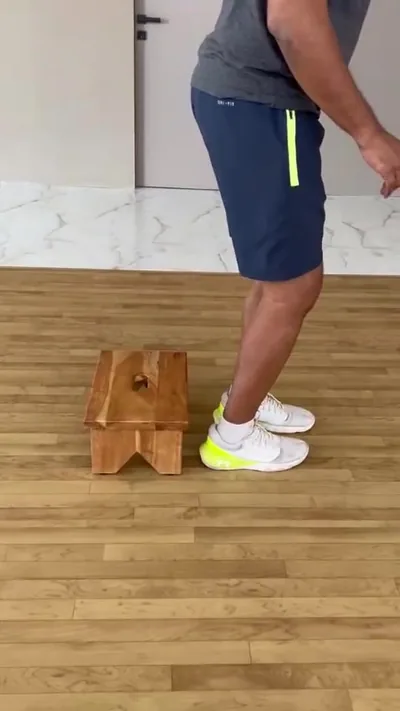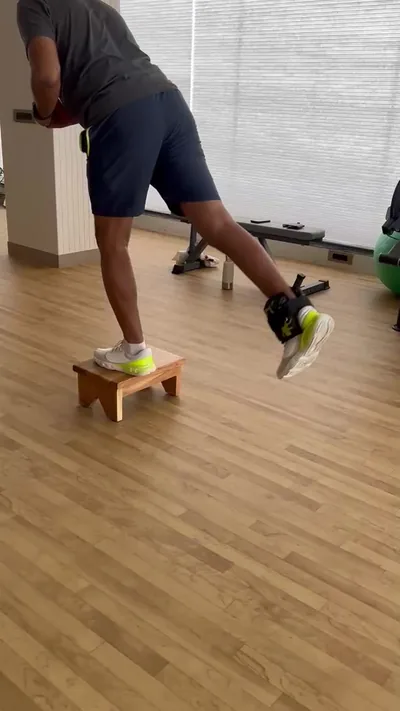
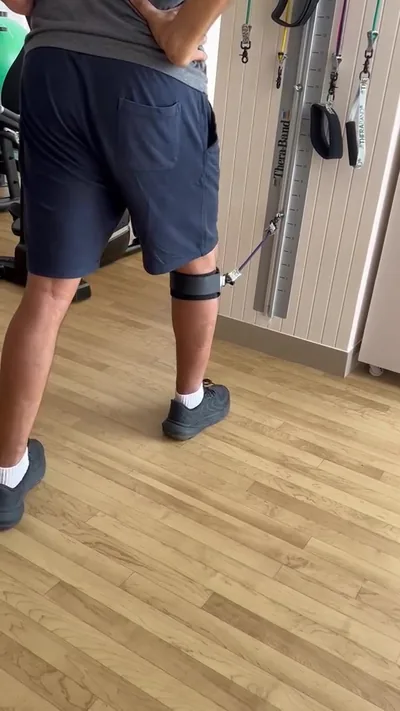
Backward Walking in ACL Rehab Phase 2
Backward walking helps athletes recover from ACL injuries. It builds knee stability in Phase 2 of rehab. This exercise targets quadriceps and improves control after surgery…
Read article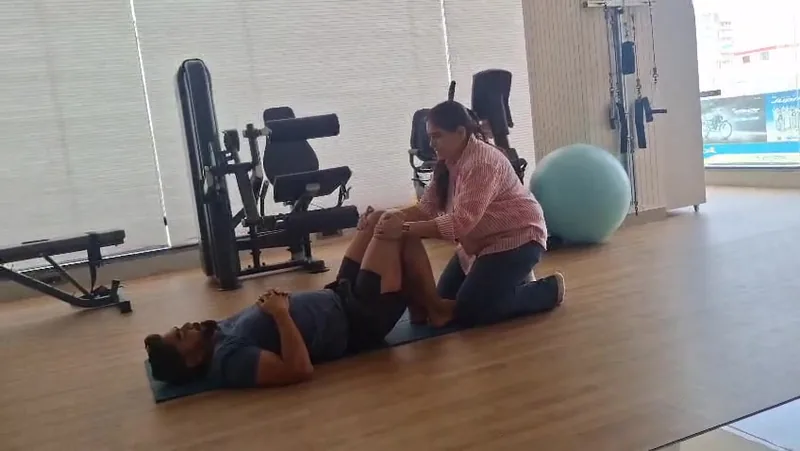

After hip replacement surgery, walking starts right away with help. In the first month, crutches protect the new joint. This aids healing and builds strength. Elderly patients need care to avoid falls.
Progress means shifting from crutches to independent walking. Follow doctor’s weight-bearing rules. Physiotherapy guides this. In Jaipur, Trivayu Physio Center offers post-surgery rehab. A physiotherapist assesses gait, strength, and balance for a suited plan.
Recovery varies by age, health, and effort. Get an in-person assessment before any plan. This article covers general steps for month 1, including walking tips, crutch use, and early recovery guidance.
Post-surgery, walking follows precautions. Keep legs apart. Avoid crossing them. Bend hip no more than 90 degrees. These prevent dislocation. A physiotherapist demonstrates using a mirror. They watch your posture from front and side views. Practice in front of a full-length mirror at home to check alignment.
Weight-bearing starts partial. Use crutches to take some body weight. Surgeon sets the amount. Full weight comes later. Expect 10-20 metres a few times a day, increasing by 5-10 metres. In early recovery, walk every 2-3 hours while awake. Stop if pain rises above mild level. A physiotherapist times these sessions and notes your heart rate to avoid overwork.
Crutches give stability. Place forward at shoulder height, step with operated leg, elbow slightly bent. Bear weight through hands. Elderly face weak muscles or balance issues. Practice slow on flat, non-slip indoor surfaces. Start near a wall or furniture for extra support. Advance to carpet-free paths before outdoors. Looking for a Physiotherapist Near Me? Our team in Vaishali Nagar, Jaipur can assess you in person.
Fit crutches standing tall with shoes on. Tops 2-3 finger widths below armpits. Handgrips at wrist height when elbows bend 20-30 degrees. Physiotherapist adjusts and teaches stairs: good leg up first, operated leg and crutches down. For down stairs, crutches and operated leg first, then good leg. Practice 2-3 steps at a time, holding rail with free hand.
Safe walking post hip surgery means even steps. Heel strikes ground first, then roll to toes. Keep operated knee straight at first. Physiotherapist uses a gait belt for safety during practice. They correct if you lean too far forward or drag the foot.
Wean off crutches around weeks 2-6, based on progress. Listen to physiotherapist. They check gait and muscle power. Weekly reviews measure stride length and speed.
Ready signs: no pain on full weight, steady gait, good balance. Test short distances with one crutch, then none. Use parallel bars or marked walkway. Walk 5 metres unaided, turn, return. If steady, increase to 10 metres next day.
Safe steps:
Steady progression avoids setbacks. Rushing risks pain or falls in elderly. Physiotherapist may use taping. For independent walking hip replacement recovery, aim for 100-200 metres daily by week 4 without aids, split into short bouts. More on Sciatica Treatment and how we assess it.
Exercises build strength and balance. Do daily under guidance. Start seated or lying. Exhale on effort. Breathe normally on hold. Progress only when pain-free.
Ankle pumps: point and flex feet 10 times per set. Do every hour from day 1 to boost circulation. Quad sets: press knee down 5 seconds, 10 times. Feel thigh muscle tighten. Glute squeezes: clench buttocks 5 seconds, 10 reps. Lie on back with pillow under knees.
Standing, hold support. Heel-toe walking: heel first over 5 metres. March in place. Side leg lifts: lift operated leg 10 cm, 5-10 reps. Keep knee straight, toes forward. Avoid twisting. Hip abduction: slide leg out to side against light band, 8-10 reps.
Bridge: lift hips slightly, hold 3-5 seconds, 5-10 reps. Feet flat, knees apart. Physiotherapist spots and adds bands later. For hip surgery recovery walking, add standing hip hikes: stand on good leg, lift pelvis on operated side, 10 reps.
Electrotherapy eases swelling. Manual Therapy releases tissues. Orthopaedic Rehabilitation targets joint function.
Rest if sore. Track pain (0-10) and steps. Warm up with 5 minutes marching. Cool down with stretches. Total time: 20-30 minutes.
Pain eases with time. Ice 10-15 minutes after, elevate. Rest 1-2 days if needed. Contact doctor if sharp. In early recovery hip replacement phase, pain peaks days 3-5, then drops.
Limping from weakness or fear. Strengthen hips and core. Mirror practice: knee over toes. Add pelvic tilts: rock pelvis forward-back lying down, 10 reps. Progress to standing tilts. You may also find Hip Replacement Walking Exercises useful.
Fear of falling: single-leg stands on good leg, then operated. Use wobble board supervised. Keep one crutch if needed. Practice eyes closed for advanced balance once steady.
Swelling: elevate above heart 3 times daily, compression if advised. Calf stretches: towel pull foot towards you, hold 20 seconds, 5 reps. Physiotherapy targets these.
Stiff gait: hip extension swings. Swing operated leg back gently holding support, 10 reps. Seek help if no 10 unaided steps by week 4, or numbness, fever. Shoe inserts for leg length feel. Physiotherapist measures leg lengths supine and standing.
Tiredness slows walking. Build endurance with rest breaks every 5 minutes. Hydrate well. Elderly patients tire faster, so split sessions.
Trivayu Physio Center in Vaishali Nagar, Jaipur, specialises in joint replacement rehab. Team: Dr. Jyoti Choudhary (17+ years orthopaedics), Dr. Hritika Choudhary (electrotherapy).
Class IV Laser Therapy reduces pain. Robotic Spinal Decompression for back issues. Home visits. Also Vidyadhar Nagar.
Staff explain treatments. Open Mon-Sat 8am-8pm, Sun 10am-1pm. Sessions: 45-60 minutes, warm-up, exercises, walking practice on clinic mat, home tips. Expect gait analysis with video if needed. Progress reports shared with surgeon.
2-6 weeks, varies by healing. Physiotherapist checks gait weekly. Reduce crutch use by half strides first.
4-8 weeks with rehab. Test short walks on flat ground. Get advice before outdoors.
Ankle pumps, quad sets, heel-toe, glute squeezes. Add bridges and side lifts under guidance.
Mild ache normal. Ice, rest, physio. Doctor if severe or with redness.
It guides progress and strength. Trivayu offers tailored rehab with walking drills.
Watch gait, test range, balance on foam. Adjust weekly based on step tests.
Day 1: bedside walks. Week 1: house distances. Physiotherapist fits and retrains daily if in clinic.
Mastering walking takes patience. Exercises and precautions lead to independence. Elderly benefit from support. Clinic offers assessment, plan, tracking, family tips. Home programme includes photos of correct form.
Book at Trivayu Physio Center. WhatsApp +91 90570 65065 or call for safe walking post hip surgery.
Physiotherapy is not the right first step for everything. Seek medical assessment promptly if any of the following apply to you:
If you lose control of your bladder or bowels, develop numbness around the groin, or have chest pain or breathlessness, treat it as an emergency and go to hospital.
Truly thankful to Dr. Jyoti Choudhary and the entire team of Trivayu Physio Centre for their genuine care, humble behaviour, and excellent treatment.
Mahesh Dhaka, Google review
This is one patient's own account, published with consent on our reviews page. It describes their experience, not a predicted outcome. Individual results vary.
Backward walking helps athletes recover from ACL injuries. It builds knee stability in Phase 2 of rehab. This exercise targets quadriceps and improves control after surgery…
Read articleAfter ACL surgery, rebuilding knee strength takes time and care. ACL rehabilitation phases guide this process step by step. Phase 1 protects the graft and cuts…
Read articleAfter hip replacement surgery, dressing your lower body safely helps build independence. By week 6 of hip replacement recovery, many patients aim to dress without help.…
Read articleMessage us on WhatsApp with your main concern and preferred time, and we'll confirm your first visit the same day.