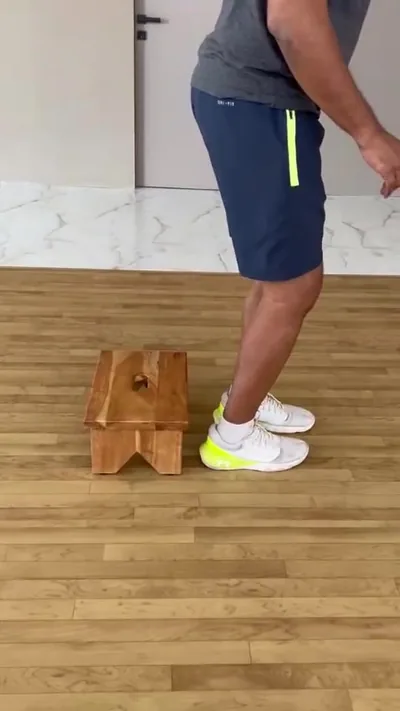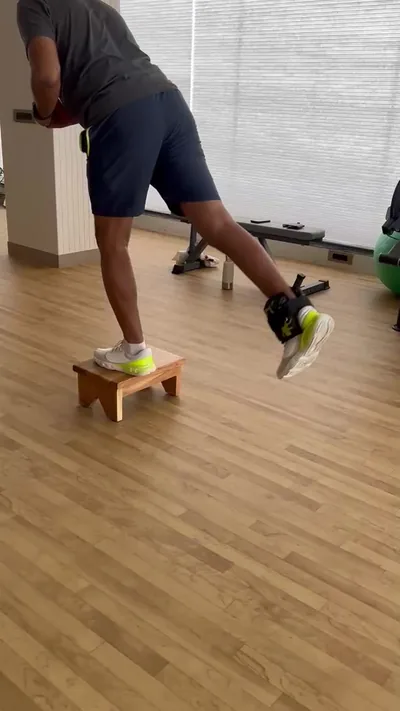
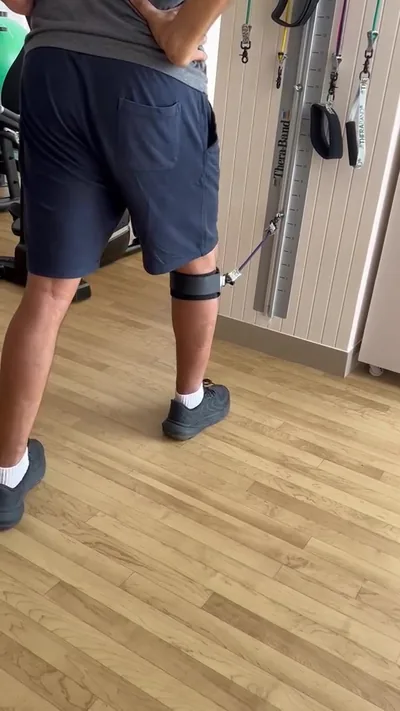
Backward Walking in ACL Rehab Phase 2
Backward walking helps athletes recover from ACL injuries. It builds knee stability in Phase 2 of rehab. This exercise targets quadriceps and improves control after surgery…
Read article

After hip replacement surgery, standing from a chair tests the new joint and balance. Safe methods lower dislocation risk. Physiotherapy rebuilds strength for daily tasks.
At Trivayu Physio Center in Vaishali Nagar and Vidyadhar Nagar, Jaipur, our team supports post-surgery rehab with manual therapy and exercise therapy. This article shares tips for safe sitting to standing. Get an in-person check first.
Recovery varies. Follow doctor’s advice. These steps aid recovery but do not replace medical care.
Safe chair rises build mobility and prevent strain. They support walking and independence.
Challenges include weak muscles, pain, fear of falling, swelling, and balance shifts. Low chairs or soft seats add difficulty. Protect the new hip from deep flexion beyond 90 degrees or inward rotation. Looking for a Physiotherapy Clinic Near Me? Our team in Vaishali Nagar, Jaipur can assess you in person.
Physiotherapy teaches correct patterns. Exercise therapy restores strength. Clinical Pilates improves control. A physiotherapist assesses gait and posture, then customises moves.
Use this guide. Choose a firm chair with armrests. Sit at front edge. Wear supportive shoes with non-slip soles.
Ideal seat height matches knee height at 90 degrees hip and knee flexion. Measure from floor to back of knee. Scoot forward to reduce hip bend. Use arms if legs weak. Practice in mirror. Breathe out on rise.
Protect joint first weeks: no leg crossing, no waist bend below 90 degrees hip flexion, no twisting. Sleep on back with pillow between knees. Use long-handled reacher for floor items.
Progress controlled: Day 1-3 bed exercises like ankle pumps, quad sets. Week 1: walker walks. Week 2+: chair transfers without aid if steady. Track steps. Ice swelling 15 minutes twice daily. Elevate leg resting. Read more about our Pain Management.
Physiotherapist guides pacing, checks scar with massage, teaches hip precautions like log roll from bed. Stairs: up with good leg, down with operated, hold rail.
Strengthen legs and core. Start simple, progress under guidance. Get assessment at our center. Do 2-3 sets of 8-12 reps, 3-4 days a week. Stop if sharp pain. You may also find Hip Replacement Gait Training Weeks 3-6 in Jaipur useful.
Bridge: Lie on back, knees bent, feet flat. Lift hips to straight line from knees to shoulders. Hold 5 seconds. Builds glutes.
Exercise therapy targets rehab. Dry needling eases muscles. Manual therapy improves range. Sessions include warm-up, strength, stretches like seated hamstring pull.
Dislocation risk highest first 6 weeks. Deep sitting or twisting pulls joint. Choose seats above knee level. Avoid low sofas. Back up to chair, calves touch, lower with arms, operated foot forward.
Avoid adduction or internal rotation. Scoot forward. Keep knees apart. Posterior approach needs flexion caution; anterior limits extension. Check surgeon notes.
Cues: “Hips back, chest up.” Practice standing to sitting: lead with hips and knees, touch seat first.
Raised chairs or toilet seats match knee height. Add 10-15 cm foot blocks if needed.
Crutches or walkers until steady. Follow surgeon weight rules: toe-touch to full.
Clinic tools: electrotherapy for pain, TECAR therapy for healing, robotic spinal decompression if back issues, myofascial release.
Home: remove rugs, add grab bars at waist height, firm cushions, non-slip mats, side table remotes.
Phase 1 (0-2 weeks): Protection, mobility. Walker walks, transfers, wound care. Manual therapy reduces swelling.
Phase 2 (2-6 weeks): Strength. Bridges, sit-stands, balance. Clinical Pilates for core.
Phase 3 (6+ weeks): Function. Stairs, uneven ground. Exercise therapy for endurance.
Sessions 45-60 minutes, 2-3 times weekly. Review home program. Measure by pain-free reps, walk distance.
Seek if pain worsens, balance fails, fear moving, swelling, clicking, limping, calf pain, fever.
Trivayu offers post-surgery rehab, orthopaedic physiotherapy, pain management. Experts: Dr. Jyoti Choudhary (17+ years sports/orthopaedics), Dr. Hritika Choudhary (post-op). Manual therapy, clinical Pilates, exercise therapy. Locations: Vaishali Nagar, Vidyadhar Nagar. Hours: Mon-Sat 8am-8pm, Sun 10am-1pm.
Sit forward, feet under knees, push with arms. Rise slowly, no twist. Hip below 90 degrees flexion.
Bridges, seated leg presses, side raises, sit-stands. Balance work. Tailor with physio.
Ask surgeon or physio. Often days post-op with support. Progress with strength.
No leg crossing or deep bend. Scoot forward. High seat. Rise straight, knees apart.
Yes. At Trivayu, teach safe moves, strengthen for transfers. Book assessment.
Safe habits protect your joint. Combine with rest, nutrition. Track weekly.
Book assessment at Trivayu Physio Center. WhatsApp or call +91 90570 65065.
Physiotherapy is not the right first step for everything. Seek medical assessment promptly if any of the following apply to you:
If you lose control of your bladder or bowels, develop numbness around the groin, or have chest pain or breathlessness, treat it as an emergency and go to hospital.
Truly thankful to Dr. Jyoti Choudhary and the entire team of Trivayu Physio Centre for their genuine care, humble behaviour, and excellent treatment.
Mahesh Dhaka, Google review
This is one patient's own account, published with consent on our reviews page. It describes their experience, not a predicted outcome. Individual results vary.
Backward walking helps athletes recover from ACL injuries. It builds knee stability in Phase 2 of rehab. This exercise targets quadriceps and improves control after surgery…
Read articleAfter ACL surgery, rebuilding knee strength takes time and care. ACL rehabilitation phases guide this process step by step. Phase 1 protects the graft and cuts…
Read articleAfter hip replacement surgery, dressing your lower body safely helps build independence. By week 6 of hip replacement recovery, many patients aim to dress without help.…
Read articleMessage us on WhatsApp with your main concern and preferred time, and we'll confirm your first visit the same day.