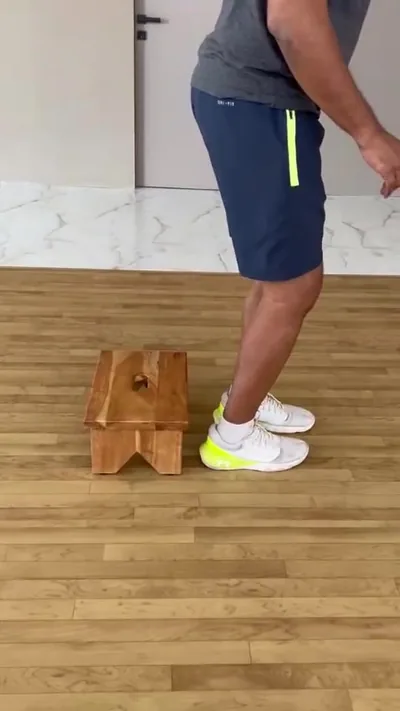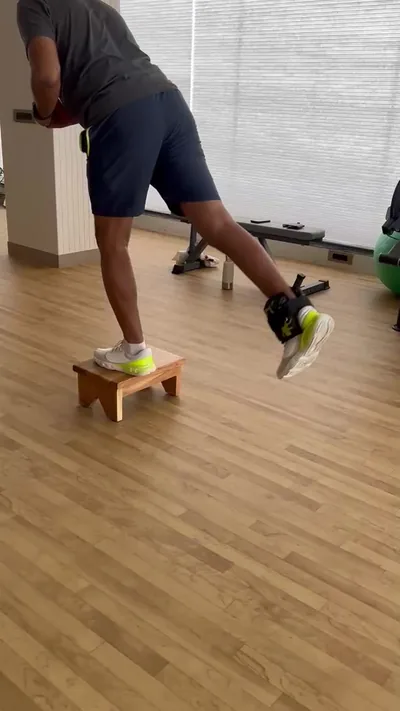
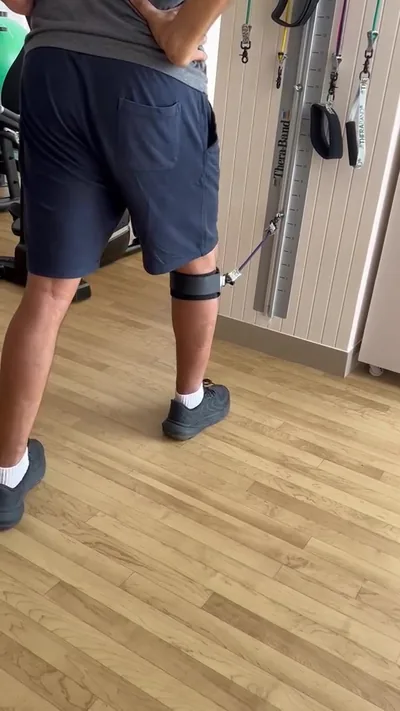
Backward Walking in ACL Rehab Phase 2
Backward walking helps athletes recover from ACL injuries. It builds knee stability in Phase 2 of rehab. This exercise targets quadriceps and improves control after surgery…
Read article

The short answer
Progressing from a walker to a cane after knee replacement usually happens between 4 and 8 weeks. It depends on strength, balance, and pain levels. Post-operative physiotherapy guides this transition with assessments and exercises.
Many older adults ask when and how to move from walker to cane after knee replacement. This change usually happens between 4 and 8 weeks after surgery. It depends on strength, balance and pain. A smooth transition helps daily movement. Recovery varies.
Post-operative physiotherapy guides weight bearing progression and gait training. At Trivayu Physio Center in Vaishali Nagar, Jaipur, our team provides personalised joint replacement rehab. Always get an in-person assessment before changing aids.
This article explains signs of readiness, balance exercises, step-by-step confidence building, proper cane use and when to seek help.
The typical window to switch from walker to cane after total knee replacement is 4 to 8 weeks. By then many people have enough strength in the operated leg and can bear more weight. Pain usually decreases and balance improves with regular work.
Factors that affect readiness include muscle strength around the knee, steady gait without limping, and confidence. For older adults this step frees one hand for tasks, improves posture and helps reduce the risk of falls. Moving too soon or too late can slow recovery or raise injury risk.
Post-operative physiotherapy matches timing to your body. Strengthening exercises and gait training prepare you. An assessment at our Vaishali Nagar or Vidyadhar Nagar clinics shows when you are ready. Looking for a Physiotherapy Near Me? Our team in Vaishali Nagar, Jaipur can assess you in person.
Look for these signs before progressing from walker to cane after knee replacement:
These signs usually appear in the 4 to 8 week window with regular exercise. Every knee replacement differs. An in-person assessment at Trivayu Physio Center is essential. Our physiotherapists check stability and advise before you switch.
Balance exercises after knee replacement build control for safe cane use. In weeks 4 to 8, start simple supported moves under guidance.
Weight shifts: stand with feet hip-width apart and gently shift weight from one leg to the other. Hold a stable surface at first. Single-leg stands with support: hold a chair or wall and stand on the operated leg for a few seconds, then increase time.
Simple Clinical Pilates moves strengthen core and legs while improving stability. Your physiotherapist may combine these with manual therapy or exercise therapy. All sessions at Trivayu Physio Center are supervised.
Begin with supervised walker walks for longer distances. Next, practise partial weight shift drills while holding the walker.
Move to short cane walks indoors on flat surfaces. Start with a few steps, rest, then add more. Increase distance and try gentle turns over days and weeks. This reduces fear of falling. Read more about our Post-Surgery & Joint Replacement Rehab.
If pain limits progress, your physiotherapist may suggest advanced electrotherapy or dry needling. Strengthening exercises continue in every session. Regular practice helps most people feel ready for daily activities with the cane.
Set cane height so the handle reaches your wrist crease when standing straight. Hold the cane in the hand opposite the operated knee. Move cane and operated leg forward together, then step with the stronger leg.
Keep posture upright and look ahead. Remove loose rugs and use good lighting. Practise on even floors first. If dizzy or weak, return to the walker and speak with a physiotherapist. You may also find Squatting After Knee Replacement: Week-by-Week Guide useful.
Posture correction exercises help you stand tall with the cane. Our team at Trivayu Physio Center in Vaishali Nagar and Vidyadhar Nagar can check technique during a session or home visit.
Professional support makes the transition safer. Post-surgery and joint replacement rehab programmes offer personalised gait training, strengthening and stability work. Home visits or online consultation are available.
Our team includes Dr. Jyoti Choudhary, senior sports and orthopaedic physiotherapist with 17 years of experience, and Dr. Hritika Choudhary specialising in advanced electrotherapy and post-op rehab. They guide each stage.
Seek help if pain increases, balance does not improve or you feel unsteady. An assessment at Trivayu Physio Center matches progress to your needs.
Most people switch between 4 and 8 weeks, but only when strength, balance and pain allow. An individual assessment decides the right time.
Weight shifts, supported single-leg stands and simple Clinical Pilates moves are safe. A physiotherapist guides progression.
Follow a gradual plan of supervised walker walks, weight shift drills and short indoor cane walks. Consistent practice and support increase confidence safely.
It can be safe for many at 6 weeks if they show good weight bearing, steady gait and confidence. An in-person check confirms readiness.
Return to the walker, rest and contact your physiotherapist. They can adjust the programme or add exercises or techniques if needed.
Progressing from walker to cane after knee replacement is a key step toward independence. Guided balance exercises, steady confidence building and proper technique improve stability. Recovery varies, so professional support is essential.
Book an assessment at Trivayu Physio Center in Vaishali Nagar or Vidyadhar Nagar. Call +91 90570 65065 or message on WhatsApp for in-person, home visit or online consultation.
Physiotherapy is not the right first step for everything. Seek medical assessment promptly if any of the following apply to you:
If you lose control of your bladder or bowels, develop numbness around the groin, or have chest pain or breathlessness, treat it as an emergency and go to hospital.
Backward walking helps athletes recover from ACL injuries. It builds knee stability in Phase 2 of rehab. This exercise targets quadriceps and improves control after surgery…
Read articleAfter ACL surgery, rebuilding knee strength takes time and care. ACL rehabilitation phases guide this process step by step. Phase 1 protects the graft and cuts…
Read articleAfter hip replacement surgery, dressing your lower body safely helps build independence. By week 6 of hip replacement recovery, many patients aim to dress without help.…
Read articleMessage us on WhatsApp with your main concern and preferred time, and we'll confirm your first visit the same day.