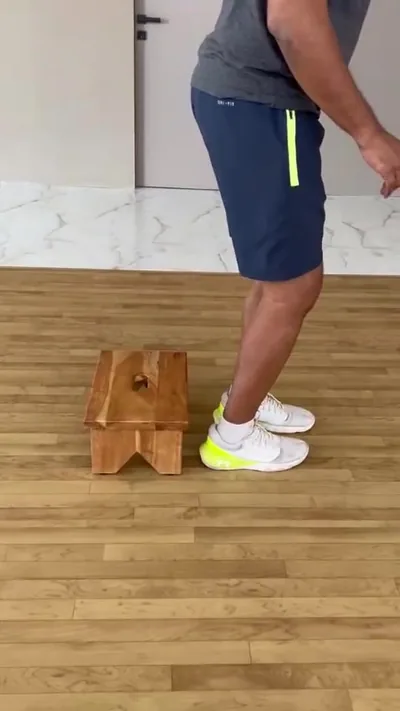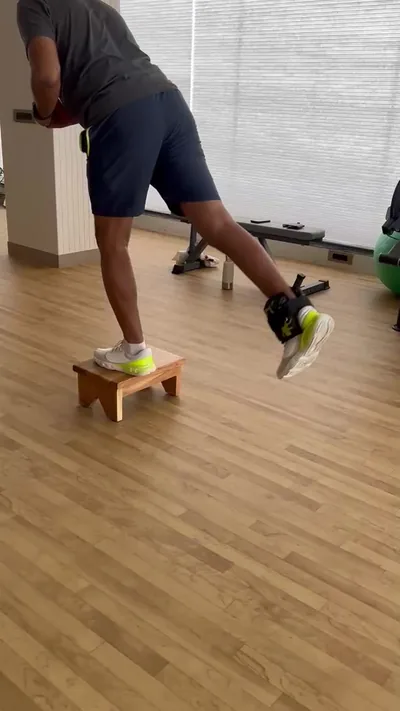
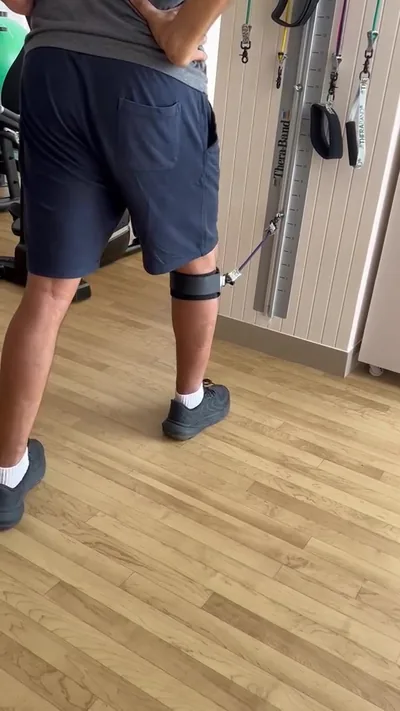
Backward Walking in ACL Rehab Phase 2
Backward walking helps athletes recover from ACL injuries. It builds knee stability in Phase 2 of rehab. This exercise targets quadriceps and improves control after surgery…
Read article

After hip replacement surgery, balance training helps regain confidence in daily tasks. By weeks 9-12, your hip strengthens. This is the time for progressive exercises under physio guidance. At Trivayu Physio Center in Vaishali Nagar, Jaipur, we use Clinical Pilates.
Patients over 50 face muscle weakness and fear of falling post-surgery. Balance work builds stability for walking. Get an in-person assessment before starting. Our team checks readiness. Post-op physio tailors this to your walk pattern and hip control.
Clinical Pilates suits this stage. It uses controlled moves for core strength and hip protection. Trivayu offers this as exercise therapy. Locations: Vaishali Nagar and Vidyadhar Nagar. Balance starts with checks on weight shift ability.
Weeks 9-12 mark a key phase in hip surgery recovery. Your hip joint settles, but balance lags. Good balance cuts fall risk. Progressive balance rehab rebuilds leg trust.
Challenges include weak hip muscles and stiff joints. Dizziness or pain may come from meds or inactivity. Older adults recover slower due to less muscle mass. Week 9-12 shows uneven steps or sway when turning. A physio watches these during gait analysis. Looking for a Physiotherapy Clinic Near Me? Our team in Vaishali Nagar, Jaipur can assess you in person.
A physio assessment is vital before progression. At Trivayu, we test standing stability and hip range. Dr. Jyoti Choudhary, with 17+ years in orthopaedics, leads checks. We measure stance hold time and note hip drop.
Physios review surgery notes and current pain. They check hip abduction strength with side lifts. Balance tests include standing on foam if ready. This guides balance training after hip replacement.
Clinical Pilates is supervised exercise therapy. It uses body weight and equipment for precise control. It adapts to medical needs like hip replacement rehab. Sessions last 45-60 minutes, with 1:1 guidance.
It supports balance training after hip replacement. Moves focus on slow weight shifts. This builds proprioception. Physios adjust for hip precautions, like no leg crossing. Read more about our Pain Management.
Our Clinical Pilates links with myofascial release. It fits post-surgery balance exercises. Expect cues like “draw belly in” to engage deep core muscles.
These progress from basic to challenging. Do them under supervision by Dr. Jyoti Choudhary or Dr. Hritika Choudhary. Use Trivayu’s exercise therapy setup. Start with 8-10 repeats, 2-3 times weekly. Breathe: inhale to prepare, exhale on effort.
Supervision prevents compensations. Link with Clinical Pilates for tailored sessions. These match your week’s progress.
From week 9, start with support like chairs. By week 12, reduce to firm surfaces. Increase time or remove support if pain-free. Physio tracks form weekly.
Guidelines: Advance if you stand 30 seconds unsupported without wobble. Track hip pain below 3/10. Expect mild muscle ache fading in 24 hours.
Physio approach: Week 9 symmetry checks. Week 10 speed to marches. Week 11 turns without pivot. Week 12 multi-task like catching ball.
Signs to pause: Sharp pain, swelling, instability. Seek check at Vaishali Nagar or Vidyadhar Nagar. Session: 10-min warm-up walk, exercises, cool-down stretches, home plan.
Physiotherapists at Trivayu start with full history. They test balance on force plate or clock turns. Manual therapy loosens hip flexors. Then exercise therapy adds Clinical Pilates. You may also find Hip Replacement Gait Training Weeks 3-6 in Jaipur useful.
For progressive balance rehab, blend clinic visits with home tasks. Home: Daily marches. Clinic: Reformer for supported stands. Dr. Hritika uses electrotherapy before balance work.
Safe training avoids quick twists. Teach hip hike cues: lift pelvis level when stepping. Fixes limp by week 12. Includes gait re-training on treadmill mirrors.
Trivayu specialises in post-surgery rehab. Dr. Hritika handles post-op care with electrotherapy. Dr. Jyoti brings sports rehab to balance training. Both oversee physiotherapy for hip replacement balance.
We offer Clinical Pilates, manual therapy, exercise therapy. Home visits and online consultations available. Open Mon-Sat 8 am-8 pm, Sun 10 am-1 pm.
Locations: 204, 2nd Floor, Om Tower, Gandhi Path Road, Nemi Nagar, Vaishali Nagar; Vidyadhar Nagar, Rangoli Gardens. Book for hip replacement rehab or progressive balance rehab.
Seated marching, supported single-leg stands, Pilates bridges, clamshells. Progress slowly with physio. Avoid unsupervised advanced moves.
Builds core strength and control. Improves stability without hip stress. Suits progressive rehab with reformer support.
Weeks 9-12, after physio assessment. Depends on healing. Get checked for standing tolerance.
Yes, when adapted. Gentle progression for 50+ with low-impact reformer work.
Trivayu at Om Tower, Vaishali Nagar. Team for post-op balance and Clinical Pilates.
Warm-up, hip checks, 4-5 exercises, manual release, home plan. 45 minutes on goals.
Less sway, even steps, no hip drop. Physio measures hold times and gait speed.
Balance improves with steady effort and clinic guidance. Recovery varies; stay patient. Prioritise in-person assessment.
Book an in-person assessment at Trivayu Physio Center. WhatsApp +91 90570 65065 or call to start your hip replacement balance exercises today.
Physiotherapy is not the right first step for everything. Seek medical assessment promptly if any of the following apply to you:
If you lose control of your bladder or bowels, develop numbness around the groin, or have chest pain or breathlessness, treat it as an emergency and go to hospital.
Truly thankful to Dr. Jyoti Choudhary and the entire team of Trivayu Physio Centre for their genuine care, humble behaviour, and excellent treatment.
Mahesh Dhaka, Google review
This is one patient's own account, published with consent on our reviews page. It describes their experience, not a predicted outcome. Individual results vary.
Backward walking helps athletes recover from ACL injuries. It builds knee stability in Phase 2 of rehab. This exercise targets quadriceps and improves control after surgery…
Read articleAfter ACL surgery, rebuilding knee strength takes time and care. ACL rehabilitation phases guide this process step by step. Phase 1 protects the graft and cuts…
Read articleAfter hip replacement surgery, dressing your lower body safely helps build independence. By week 6 of hip replacement recovery, many patients aim to dress without help.…
Read articleMessage us on WhatsApp with your main concern and preferred time, and we'll confirm your first visit the same day.