Backward Walking in ACL Rehab Phase 2
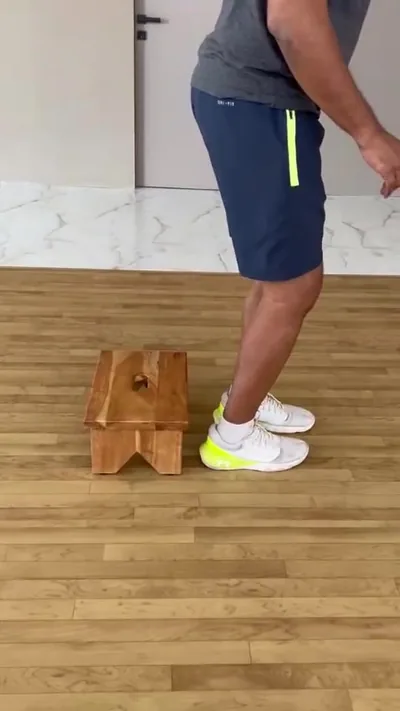
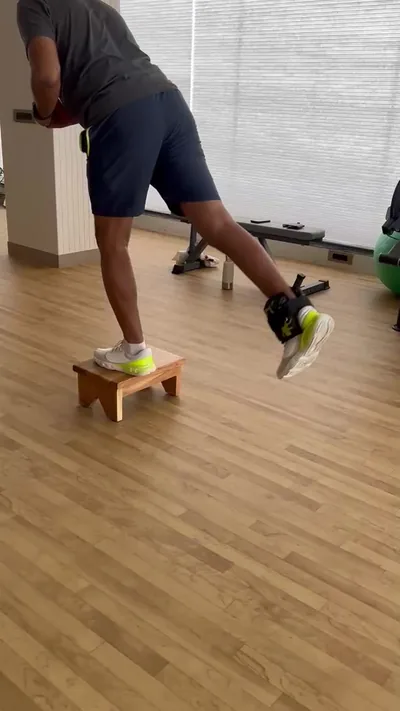
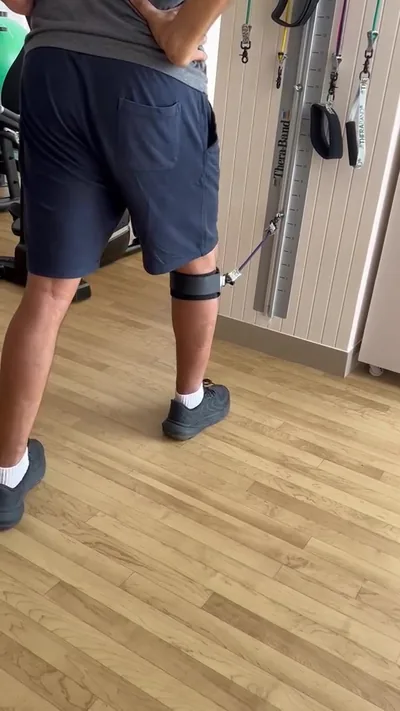
Backward walking helps athletes recover from ACL injuries. It builds knee stability in Phase 2 of rehab. This exercise targets quadriceps and improves control after surgery…
Read article

Hip fractures often happen from falls in older adults. These breaks weaken the hip bone and limit walking. A walker provides support for safe mobility after hip break. This guide covers first steps after hip fracture using walker training. It includes walker use for seniors, hip surgery walker training, fall recovery walking aid tips and physiotherapy for walker patients.
Early practice builds confidence but needs care. Wrong moves can slow healing. Get an in-person check from a physiotherapist before starting. They assess your hip fracture recovery based on health, fracture type and strength.
Trivayu Physio Center in Jaipur helps with physiotherapy for walker patients. Our team guides safe walking with walker post hip fracture for seniors.
Hip fractures from falls are common in the elderly. The hip bone cracks near the thigh joint. Pain and swelling stop walking. A walker takes weight off the injured hip while you bear weight safely.
In early recovery, the walker keeps balance without full leg load. Safe first steps aid blood flow and prevent stiffness.
Physiotherapists check for weakness or fear of falling. Do not start alone. An in-person assessment finds risks like weak muscles or poor balance. At Trivayu Physio Center, we test weight tolerance before walker use for seniors. Looking for a Physiotherapy Near Me? Our team in Vaishali Nagar, Jaipur can assess you in person.
First steps start in hospital or home under guidance. Lie flat first. Then sit up with help. Slide to bed edge using good leg. A nurse or physio shows basics.
Expect soreness but no sharp pain. Your physio checks hip alignment and leg length. They teach weight rules: often toe-touch for injured foot first, then partial weight as bone heals. More on Sciatica Treatment and how we assess it.
For fall recovery walking aid use, pick a four-wheel walker for even floors. Front-wheel models suit indoors; choose ones with brakes for stairs later. Test stability first.
Fit walker to hip height when standing beside it. Adjust so elbows bend 20-30 degrees when gripping handles.
Hold handles with straight wrists, not locked elbows. Keep back straight, head up, injured leg back. Wear non-slip shoes with firm soles. Avoid loose slippers.
Clear space: remove cords, mats or furniture. Have a chair ready for rests. Manual Therapy can ease tight muscles before steps. Visit us at 204, 2nd Floor, Om Tower, Gandhi Path Road, Nemi Nagar, Vaishali Nagar, Jaipur. You may also find Hip Fracture Walker to Cane Transition at Week 8 useful.
Your physio teaches locking knees slightly and shifting weight from arms to good leg.
Start from a firm chair with arms. Place walker in front, wider than hips. Keep feet flat. Physio stands nearby.
Practice near wall or helper. Aim for 10-15 minutes twice daily, with rests. Physio gives feedback.
For seniors, use walker for all moves: toilet, kitchen or bed. Keep it by nightstand.
Check walker daily: tighten parts, replace worn tips. Walk even paths. Avoid grass or gravel. Sit every 5-10 minutes to check swelling.
Breathe deeply. Stop if dizzy. Drink water. Physios teach standing from low seats or car.
After hip surgery, walker training starts day 1 or 2. Follow surgeon weight rules: often partial on injured side.
Physio checks wound and guides precautions: no crossing legs, no bending hip past 90 degrees, no twisting.
Practice bed-to-walker transfers. Use raised toilet seat if needed. Good leg leads forward, trails back. Build distance over weeks.
For home, use even ground. Rest with leg raised. Call physio if pain, dizziness or swelling worsens.
Orthopaedic Rehabilitation strengthens hips and core. Electrotherapy cuts pain and aids muscle work. Book a clinic visit for a plan. Progress varies. Expect weekly checks.
Dr. Jyoti Choudhary, Senior Sports & Orthopaedic Physiotherapist with 17+ years, leads rehab. She works with Rajasthan Senior Women’s Cricket Team. Dr. Hritika Choudhary handles electrotherapy and post-op rehab.
We offer walker exercises for elderly in Jaipur at Vaishali Nagar and Vidyadhar Nagar.
Hours: Mon-Sat 8 am-8 pm, Sun 10 am-1 pm. Contact +91 90570 65065.
Get physio check. Adjust to hip height. Begin sit-to-stand. Practice daily with help.
Follow doctor rules. Stand using walker and good leg. Step short. Keep weight off injured side first.
Time differs. Depends on fracture, age and rehab. Physio guides with tests.
Yes. Hands-on guidance improves safety. Trivayu offers elderly walker exercises with home tips.
Use flat surfaces. Family nearby. Check wheels daily. Rest if tired. See physio for updates.
Measure walk distance, standing time and pain. Adjust leg load based on that.
Walker practice aids hip fracture recovery. Book an assessment at Trivayu Physio Center. WhatsApp or call +91 90570 65065.
Physiotherapy is not the right first step for everything. Seek medical assessment promptly if any of the following apply to you:
If you lose control of your bladder or bowels, develop numbness around the groin, or have chest pain or breathlessness, treat it as an emergency and go to hospital.
Truly thankful to Dr. Jyoti Choudhary and the entire team of Trivayu Physio Centre for their genuine care, humble behaviour, and excellent treatment.
Mahesh Dhaka, Google review
This is one patient's own account, published with consent on our reviews page. It describes their experience, not a predicted outcome. Individual results vary.
Backward walking helps athletes recover from ACL injuries. It builds knee stability in Phase 2 of rehab. This exercise targets quadriceps and improves control after surgery…
Read articleAfter ACL surgery, rebuilding knee strength takes time and care. ACL rehabilitation phases guide this process step by step. Phase 1 protects the graft and cuts…
Read articleAfter hip replacement surgery, dressing your lower body safely helps build independence. By week 6 of hip replacement recovery, many patients aim to dress without help.…
Read articleMessage us on WhatsApp with your main concern and preferred time, and we'll confirm your first visit the same day.