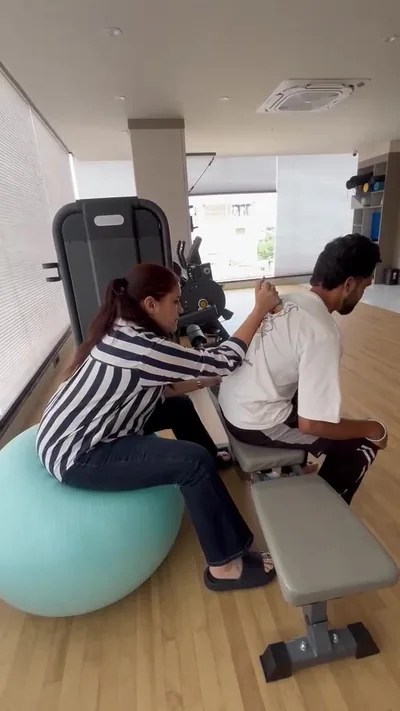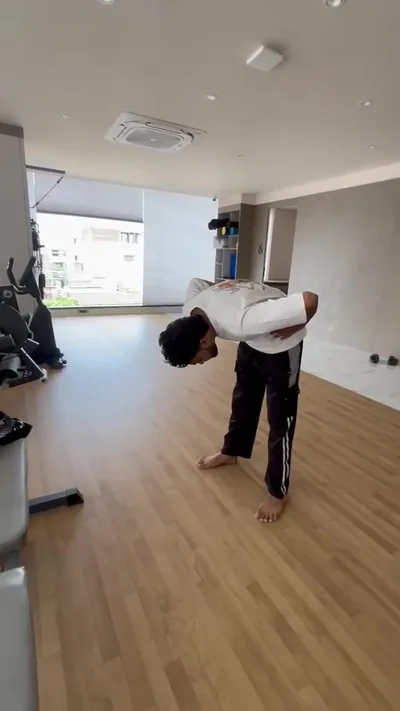
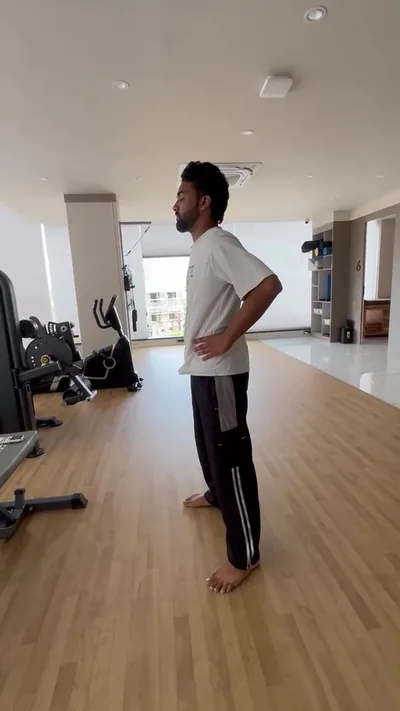
Is Side Bending Safe with L4 L5 Herniated Disc
An L4 L5 herniated disc happens when the disc between your fourth and fifth lumbar vertebrae bulges or ruptures. This presses on nearby nerves, causing pain…
Read article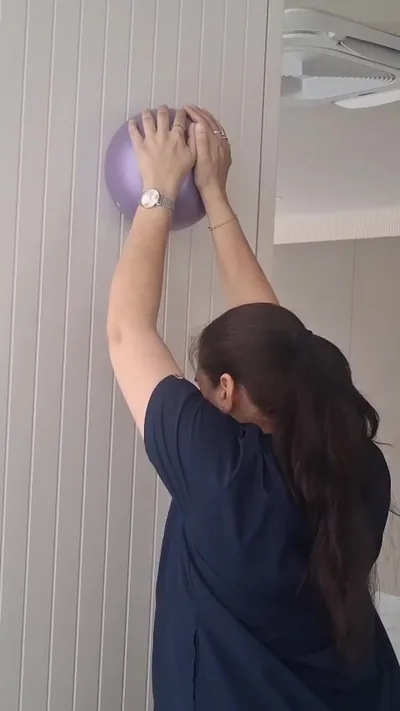

Frozen shoulder, also called adhesive capsulitis, passes through distinct stages. Many patients reach the thawing phase after months of stiffness. Here, mobility starts to return. Arm circles suit this stage well. They build shoulder range gently.
In the thawing phase, you gain movement bit by bit. These exercises help without forcing the joint. Always check with a physiotherapist first. Self-exercise alone misses key checks. Trivayu Physio Center in Vaishali Nagar, Jaipur, offers proper assessment.
This guide focuses on frozen shoulder thawing arm circles. It covers how to progress safely to full range. Follow steps to avoid setbacks. A physiotherapist would first test your active and passive range of motion. They check external rotation, abduction and flexion. This confirms you are in thawing. They also rule out other issues like rotator cuff tears.
Frozen shoulder has three main stages. The freezing stage brings increasing pain and stiffness. Pain worsens at night. You limit arm use to avoid it. Daily tasks like dressing or combing hair become hard.
The frozen stage peaks with severe limits in movement. Pain may ease but immobility stays. Reaching into a cupboard or putting on a seatbelt feels impossible. The shoulder capsule thickens and tightens. This traps the joint.
The thawing stage follows. This is when shoulder mobility improves. You notice daily tasks get easier. Reaching overhead or behind the back becomes possible. The process varies by person. It can last months. A physiotherapist tracks progress with goniometer measurements. They note degrees of movement gained each visit. Looking for a Rehabilitation Centre Near Me? Our team in Vaishali Nagar, Jaipur can assess you in person.
Thawing stage frozen shoulder needs targeted shoulder mobility exercises. Do not rush. Start small to protect the shoulder capsule. A professional assessment spots issues early. Book one at Trivayu Physio Center, Vaishali Nagar or Vidyadhar Nagar, to confirm your stage and get a custom plan.
Arm circles restore range through gentle rotations. They loosen the tight shoulder capsule. Muscles around the joint gain strength and control. In the thawing phase, these moves match improving flexibility.
Progress from small to full circles builds tolerance. This aids frozen shoulder recovery exercises. Benefits include better blood flow and less stiffness. Always guide by pain. Stop if sharp discomfort arises.
These rotations differ from early stage pulls. They promote smooth gliding in the joint. A physiotherapist might demonstrate this in clinic. They ensure scapula moves correctly with the humerus. Pair with other thawing phase shoulder exercises for best results. Manual Therapy can support this by mobilising the joint gently during sessions. More on Frozen Shoulder Treatment and how we assess it.
Start in a comfortable spot. Stand or sit with feet shoulder-width apart. Keep your posture straight. Relax shoulders down. A physiotherapist would watch your alignment first. They correct any forward head posture or rounded back.
Begin with small circles:
Rest 30 seconds between sets. Feel a mild stretch only. No weights yet. If sitting, use a chair with back support. Stand if balance allows.
Common mistakes to avoid:
What to expect: First sessions feel tight but tolerable. After a week, circles smooth out. Track with a mirror or phone video.
Watch for signs you are ready. Small circles feel easy with no pain. External rotation improves. You reach further without strain. Test by touching opposite shoulder blade.
Build up gradually. A physiotherapist progresses based on your weekly gains:
Combine with progressive shoulder stretches. Try pendulum swings: Lean forward, let arm hang, swing like clock pendulum. Or wall climbs: Face wall, walk fingers up slowly. Do these after circles when warm.
Track weekly. Note range and comfort in a notebook. Measure arm height reached. Adjust if plateau. Reduce if pain rises.
Follow pain rules. Mild ache is fine; sharp pain means stop. Rest 1-2 days between sessions if sore. Warm up with heat first: Hot pack 10-15 minutes or warm shower. You may also find Frozen Shoulder Stretches After First Month useful.
Warm-up details: Apply moist heat to shoulder. Follow with gentle pendulum swings, 20 each way. This prepares capsule.
Red flags include:
Electrotherapy can ease pain in thawing stage. Orthopaedic Rehabilitation builds strength post-mobility. Seek help at Trivayu Physio Center. Our team, including Dr. Jyoti Choudhary with 17+ years in orthopaedics, assesses safely. They use joint glides and teach home programme. Home visits available for those with limited travel.
Physio approach: Expect 45-minute sessions. Start with posture check and heat. Follow with hands-on mobilisations. End with exercise teaching. They assign homework like your arm circles. Reassess every 2-4 weeks.
Arm circles pair with adhesive capsulitis exercises. Add these for full shoulder pain relief exercises:
Do daily if pain-free. Progress holds to 45 seconds. A physiotherapist modifies for your range.
It is the final stage where stiffness eases. Mobility returns slowly. Pain often drops. Full recovery takes time. Expect gradual gains in reaching and rotating.
Yes, if done gently and pain-free. Start small. Get physio clearance first. They ensure no rotator cuff strain.
3-5 days a week. 2-3 sets per session. Rest if needed. Build to daily as range improves.
In thawing phase, when small movements feel easier. After professional check. Not in freezing if pain limits.
Reduce size or reps. Stop if sharp. See a physio for tailored plan. They may add soft tissue work.
Guided by physio is best. They prevent compensation patterns like using neck muscles.
Varies widely. Consistent practice aids progress. Physio monitors to adjust.
Arm circles aid thawing stage frozen shoulder effectively. Progress safely for best shoulder pain relief. Recovery varies; consistent gentle work helps. Combine with stretches for balanced rehab.
Book an assessment at Trivayu Physio Center today. WhatsApp or call +91 90570 65065.
Physiotherapy is not the right first step for everything. Seek medical assessment promptly if any of the following apply to you:
If you lose control of your bladder or bowels, develop numbness around the groin, or have chest pain or breathlessness, treat it as an emergency and go to hospital.
Truly thankful to Dr. Jyoti Choudhary and the entire team of Trivayu Physio Centre for their genuine care, humble behaviour, and excellent treatment.
Mahesh Dhaka, Google review
This is one patient's own account, published with consent on our reviews page. It describes their experience, not a predicted outcome. Individual results vary.
An L4 L5 herniated disc happens when the disc between your fourth and fifth lumbar vertebrae bulges or ruptures. This presses on nearby nerves, causing pain…
Read articleShopkeepers in Jaipur often stand for long hours behind counters. This prolonged standing can trigger sciatica pain. Sciatica happens when the sciatic nerve gets irritated, often…
Read articleHerniated disc night pain disrupts sleep for many. The disc bulge presses on nerves, causing sharp back pain or sciatica that flares up at night. Simple…
Read articleMessage us on WhatsApp with your main concern and preferred time, and we'll confirm your first visit the same day.