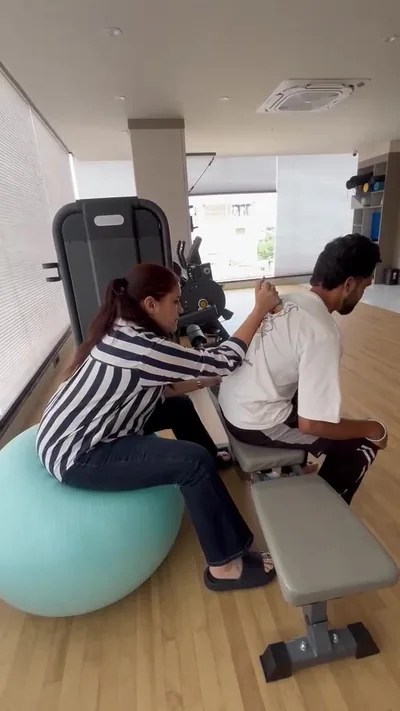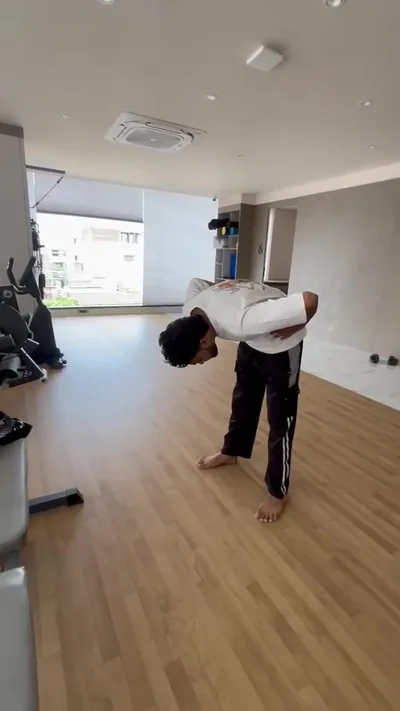
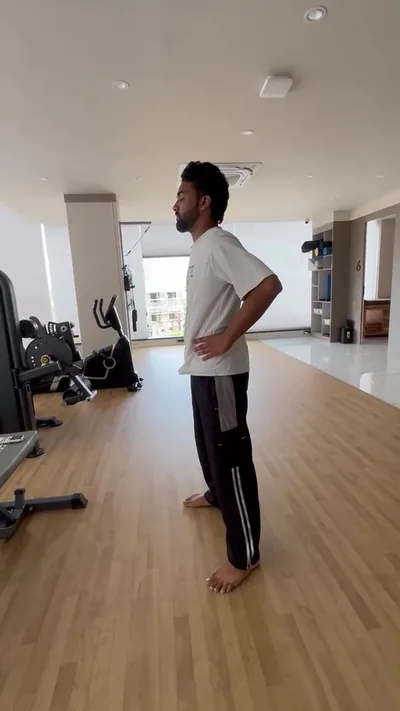
Is Side Bending Safe with L4 L5 Herniated Disc
An L4 L5 herniated disc happens when the disc between your fourth and fifth lumbar vertebrae bulges or ruptures. This presses on nearby nerves, causing pain…
Read article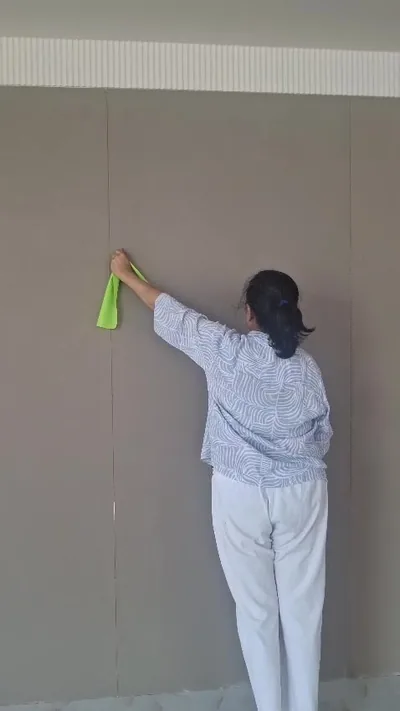

Frozen shoulder, or adhesive capsulitis, causes stiffness and pain in the shoulder joint. The shoulder capsule thickens and tightens. This limits movement. Patients often go through three phases: freezing, frozen, and thawing.
A physiotherapist first checks your phase during an in-person assessment. They look at your range of motion and pain levels. In the freezing phase, pain dominates. Stretches come later. After the first month of treatment, many enter the thawing phase. This is when gentle stretches can help regain range. Start only after your doctor or physiotherapist approves. Progression comes from initial treatment like pain relief and basic mobility work. Rushing stretches risks more inflammation.
Trivayu Physio Center in Vaishali Nagar, Jaipur, offers such assessments. Our team checks your stage before suggesting stretches. They explain what to expect in each phase. For example, in the frozen phase, focus stays on pain control before adding stretches.
Safe stretching follows clear rules. Always stay within a pain-free range. Stretch gently to avoid setbacks. Breathe deeply during each move—inhale to prepare, exhale into the stretch. Warm up first with a hot pack or light arm swings for 5-10 minutes. This increases blood flow and loosens tissues.
A physiotherapist shows these in person. They correct your form on the spot. At Trivayu Physio Center, our physiotherapists guide patients on these principles. We stress professional oversight for best results. They also teach how to track progress, like marking wall height for finger walks weekly.
These frozen shoulder stretches build on early recovery. They target shoulder stiffness. Do them in order, progressing as mobility improves. Use a mirror to check form. Start with fewer reps if new. A physiotherapist tailors the sequence to your phase. Looking for a Physiotherapist in Jaipur? Our team in Vaishali Nagar, Jaipur can assess you in person.
Pendulum Stretch – Eases into movement without strain.
Towel Stretch – Improves internal rotation.
Cross-Body Reach – Targets posterior capsule.
Finger Walk – Builds flexion range.
Sleeper Stretch – For external rotation, start later in thawing.
Progress slowly. Track your range each week by noting max height or distance. If one stretch stalls, revisit basics with a physio. Combine with posture work to prevent compensation. More on Frozen Shoulder Treatment and how we assess it.
Manual Therapy aids home stretches. Trained hands mobilise the joint and soft tissues. This speeds mobility gains. A physiotherapist uses gentle joint glides to loosen the capsule. They also work on tight muscles around the shoulder blade.
At Trivayu, Dr. Jyoti Choudhary, with 17+ years in sports and orthopaedics, uses techniques like Myofascial Release and Mulligan Concept. These complement your frozen shoulder exercises. Myofascial Release eases muscle knots. Mulligan Concept applies sustained natural glides during movement.
Expect 20-30 minute sessions. You feel gradual loosening. Pair with clinic tools like Class IV Laser Therapy for pain relief. Always combine home efforts with professional sessions for full recovery.
Once stretches improve range, add gentle strengthening. This prevents re-stiffening. Start with isometric holds—no movement, just gentle presses.
Isometric Shoulder Press: Press hand into wall forward, hold 5 seconds, 10 reps.
Side Press: Press side of fist into wall, hold 5 seconds, 10 reps.
External Rotation Hold: Elbow at side, push outward against fixed towel roll, hold 5 seconds.
A physio introduces these after checking your range. Progress to resistance bands only when pain-free. Do 2 sets of 10, 3 times weekly. Stop if stiffness returns. You may also find Frozen Shoulder Recovery Signs After 2 Months useful.
Good habits support stretches. Maintain upright posture to avoid strain—shoulders back, not hunched. Incorporate daily shoulder rolls: 10 forward, 10 back. Strengthen with light weights once mobility returns, like 0.5 kg dumbbells for rows.
Avoid overhead activities until cleared. Sleep with pillow support to keep shoulder neutral. Heat before stretches, ice after if sore. Track symptoms in a notebook: pain level, range, what helps.
Visit Trivayu Physio Center at Vaishali Nagar or Vidyadhar Nagar in Jaipur. We offer Orthopaedic Rehabilitation to build lasting strength. Home visits suit busy schedules. Our approach includes Electrotherapy for pain and inflammation control.
Seek help if stiffness persists, pain worsens, or stretches fail. Signs include night pain, weakness, or inability to reach overhead. Early intervention shortens recovery. Do not wait.
Our team, including Dr. Hritika Choudhary for post-op rehab, provides tailored plans. Book via WhatsApp at +91 90570 65065 or call. Locations: 204, 2nd Floor, Om Tower, Gandhi Path Road, Vaishali Nagar; Rangoli Gardens, Vidyadhar Nagar. Hours: Mon-Sat 8am-8pm, Sun 10am-1pm.
After the first month, with physio approval. Get an assessment first to match your phase.
Pendulum, towel, cross-body, finger walk, and sleeper work well. Progress gradually under guidance.
Twice daily, with rest if sore. Consistency matters more than intensity.
Yes, but under physio guidance. Pair with clinic visits for form checks.
Stop and consult a physio. Pain signals overdoing it—back off and reassess.
They assess phases, use hands-on mobilisation, then teach home stretches and strengthening.
Regain shoulder freedom step by step. These shoulder pain relief stretches and home exercises for shoulder stiffness help after initial treatment. For personalised plans in Jaipur, book at Trivayu Physio Center today. WhatsApp or call +91 90570 65065.
“`
*(Word count: 1,128)*
Physiotherapy is not the right first step for everything. Seek medical assessment promptly if any of the following apply to you:
If you lose control of your bladder or bowels, develop numbness around the groin, or have chest pain or breathlessness, treat it as an emergency and go to hospital.
Truly thankful to Dr. Jyoti Choudhary and the entire team of Trivayu Physio Centre for their genuine care, humble behaviour, and excellent treatment.
Mahesh Dhaka, Google review
This is one patient's own account, published with consent on our reviews page. It describes their experience, not a predicted outcome. Individual results vary.
An L4 L5 herniated disc happens when the disc between your fourth and fifth lumbar vertebrae bulges or ruptures. This presses on nearby nerves, causing pain…
Read articleShopkeepers in Jaipur often stand for long hours behind counters. This prolonged standing can trigger sciatica pain. Sciatica happens when the sciatic nerve gets irritated, often…
Read articleHerniated disc night pain disrupts sleep for many. The disc bulge presses on nerves, causing sharp back pain or sciatica that flares up at night. Simple…
Read articleMessage us on WhatsApp with your main concern and preferred time, and we'll confirm your first visit the same day.