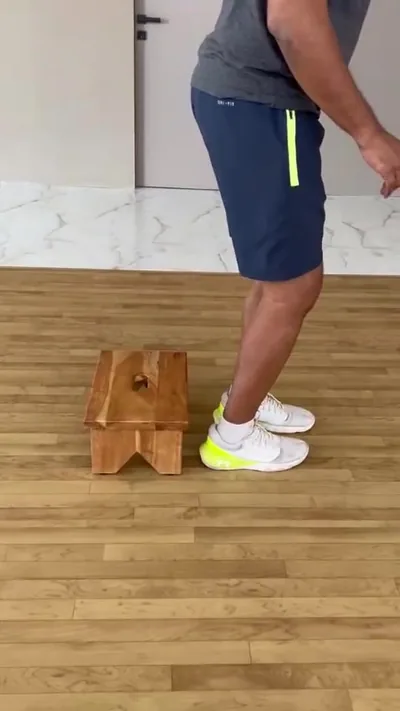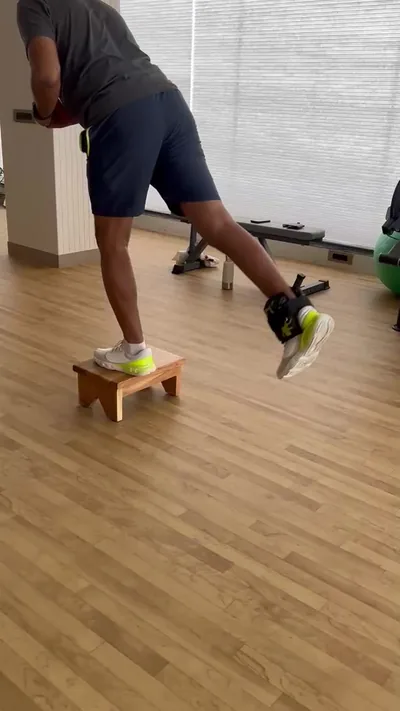
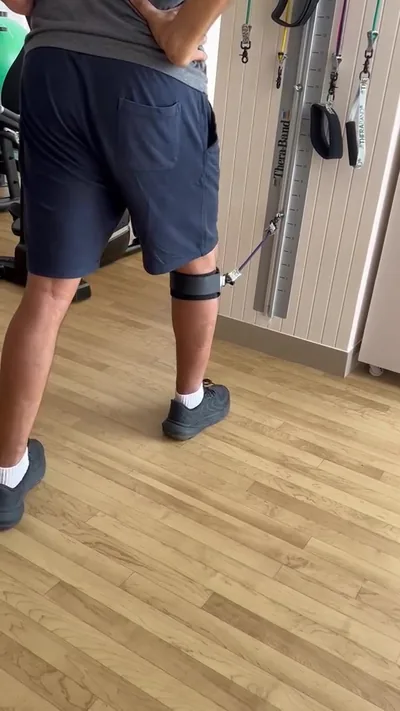
Backward Walking in ACL Rehab Phase 2
Backward walking helps athletes recover from ACL injuries. It builds knee stability in Phase 2 of rehab. This exercise targets quadriceps and improves control after surgery…
Read article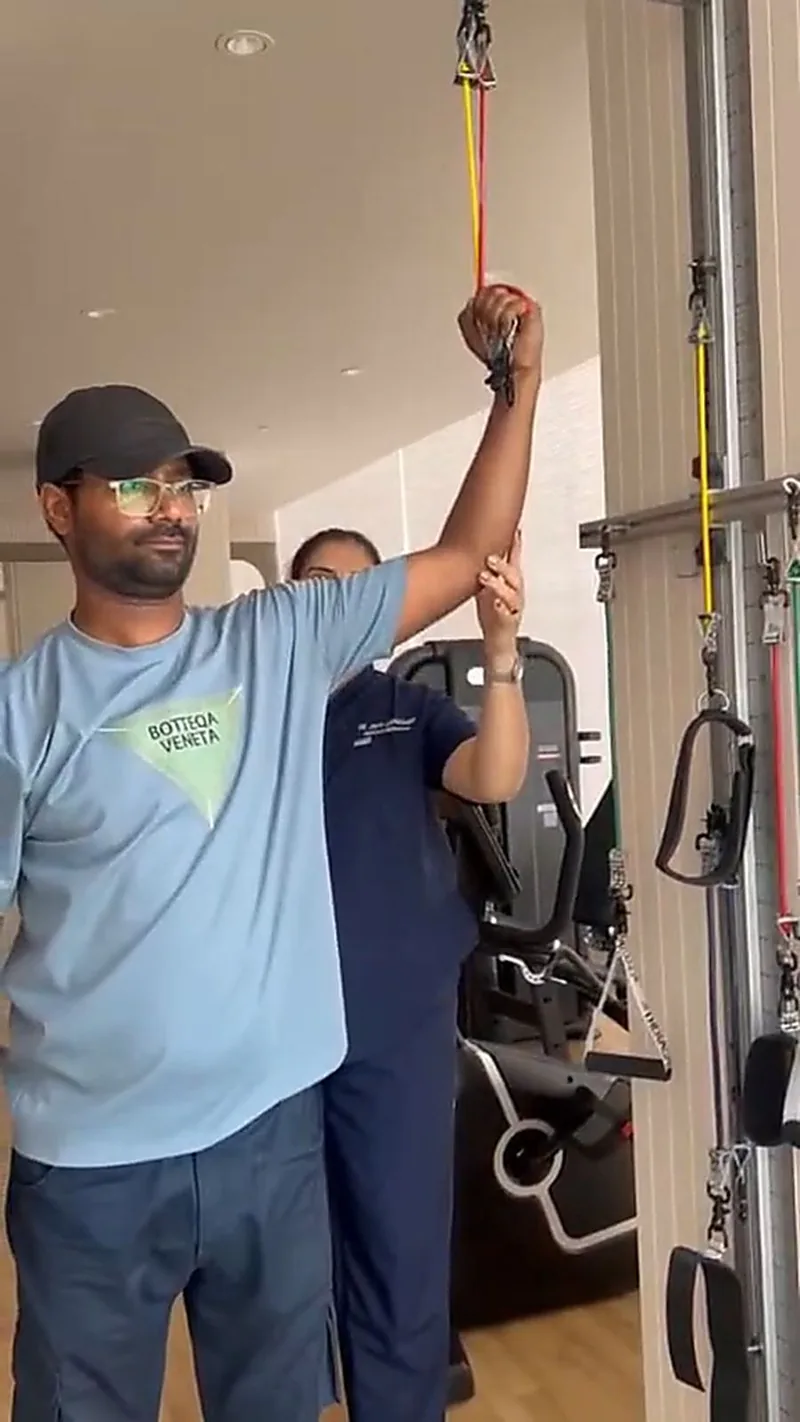

Frozen shoulder, or adhesive capsulitis, causes stiffness and pain in the shoulder joint. After two months of treatment or self-care, many patients notice changes. These signs show up in daily tasks. Long-term patients can track them at home to gauge progress.
Recovery varies by person. Age, health, and how early care started all play a role. Watch for shoulder mobility signs in routine activities. If unsure, seek a professional assessment. This helps spot frozen shoulder symptoms improving or if more help is needed.
At the two-month mark, expect gradual shifts. Shoulder pain reducing and range of motion frozen shoulder improving often appear first. These frozen shoulder improvement after 2 months markers guide your frozen shoulder 2 month recovery timeline.
Frozen shoulder starts with pain, then stiffness. The freezing stage lasts months. By two months, some enter the thawing phase. Natural recovery phases bring slow gains in movement. Looking for a Rehabilitation Centre Near Me? Our team in Vaishali Nagar, Jaipur can assess you in person.
For long-term patients, track via daily activities. Note ease in simple tasks. This shows frozen shoulder rehab progress without a clinic visit. Individual variation is common. One person moves better; another feels less pain first.
Focus on shoulder pain reducing and pain free shoulder movement. These adhesive capsulitis recovery markers signal healing. Always pair home tracking with professional advice for best results. A physiotherapist can assess your specific case. More on Frozen Shoulder Treatment and how we assess it.
Range of motion frozen shoulder gains show in daily chores. Reaching for high shelves becomes easier. You lift your arm higher without strain.
Combing hair or washing the back feels smoother. Dressing, like putting on a shirt, needs less effort from the other arm. These frozen shoulder daily activities progress signs mean stiffness is easing.
Try reaching behind your back. If your hand climbs higher toward the shoulder blade, mobility improves. Link this to reduced stiffness. It points to thawing in adhesive capsulitis.
These changes mark signs frozen shoulder getting better. Track weekly to see steady frozen shoulder daily tasks easier.
Pain drops as recovery advances. Lifting light objects like a book hurts less. Shoulder pain reducing during tasks shows progress.
Driving feels more comfortable. Turning the wheel or shifting gears causes minimal ache. Night pain, common in frozen shoulder, often lessens. You sleep longer without waking to rub the shoulder. You may also find Frozen Shoulder Pendulum Exercises Day One at Home useful.
Routine chores like washing dishes or folding clothes show gains. Pain after activity fades faster. This indicates healing in the joint capsule.
Less reliance on painkillers for daily use signals frozen shoulder improvement after 2 months. Persistent high pain needs a check.
Strength returns with use. Carrying shopping bags gets easier. The shoulder holds weight without quick fatigue.
Opening jars or heavy doors shows muscle power back. Light housework like sweeping or vacuuming lasts longer. Self-care tasks improve too.
Washing your own hair or tying shoelaces points to function gains. These shoulder mobility signs mean muscles around the joint strengthen.
Progress in these areas tracks frozen shoulder recovery signs 2 months. It shows the shoulder handles real-life loads better.
Less clicking or grinding sounds in the shoulder suggest smoother joint movement. Better posture follows as you slouch less to guard the arm.
Use your affected arm more naturally. Less need for the other arm to compensate. General well-being rises – you feel less frustrated with limits.
Note lack of progress if pain and stiffness stay the same. No change in daily tasks after two months warrants attention. Track patterns over weeks.
Other markers include easier neck turns without shoulder tug or improved sleep posture. These tie to overall frozen shoulder rehab progress.
If progress stalls, visit Trivayu Physio Center in Vaishali Nagar or Vidyadhar Nagar. A check-up spots issues early. Manual Therapy can aid stuck recovery.
Home tips: Gentle stretches daily, heat before movement, note changes in a journal. Continue prescribed exercises. Jaipur frozen shoulder physio progress thrives with steady care.
Book an assessment for personalised guidance. Recovery varies; professional input ensures safe advances.
Normal signs include shoulder pain reducing, easier overhead reach, and less night discomfort. Daily tasks feel less stiff. Gains vary; steady small steps count.
Watch for frozen shoulder daily activities progress like dressing without help or lifting light items pain-free. Track range and comfort weekly.
Worry if pain stays severe, movement unchanged, or tasks impossible. Seek assessment to rule out complications.
Yes, use simple tests like arm reach or pain logs. Note trends in shoulder mobility signs. Pair with physio advice.
Tasks like combing hair, reaching shelves, or carrying bags show signs frozen shoulder getting better. Less effort and pain mark healing.
Tracking frozen shoulder recovery signs 2 months builds confidence. Notice shoulder pain reducing and daily ease? That’s progress. For tailored help, book at Trivayu Physio Center. WhatsApp or call +91 90570 65065 for an assessment.
Physiotherapy is not the right first step for everything. Seek medical assessment promptly if any of the following apply to you:
If you lose control of your bladder or bowels, develop numbness around the groin, or have chest pain or breathlessness, treat it as an emergency and go to hospital.
Truly thankful to Dr. Jyoti Choudhary and the entire team of Trivayu Physio Centre for their genuine care, humble behaviour, and excellent treatment.
Mahesh Dhaka, Google review
This is one patient's own account, published with consent on our reviews page. It describes their experience, not a predicted outcome. Individual results vary.
Backward walking helps athletes recover from ACL injuries. It builds knee stability in Phase 2 of rehab. This exercise targets quadriceps and improves control after surgery…
Read articleAfter ACL surgery, rebuilding knee strength takes time and care. ACL rehabilitation phases guide this process step by step. Phase 1 protects the graft and cuts…
Read articleAfter hip replacement surgery, dressing your lower body safely helps build independence. By week 6 of hip replacement recovery, many patients aim to dress without help.…
Read articleMessage us on WhatsApp with your main concern and preferred time, and we'll confirm your first visit the same day.