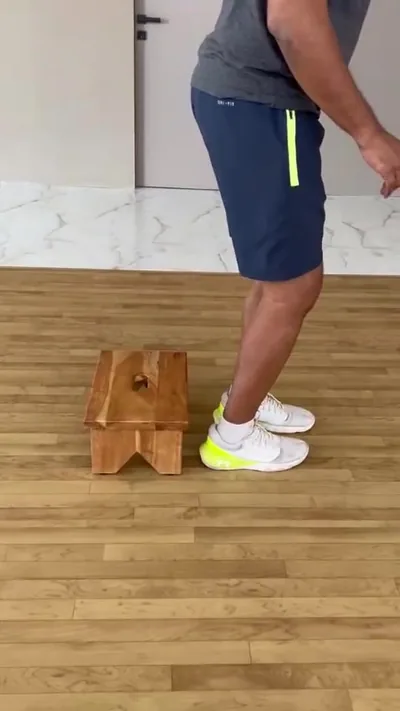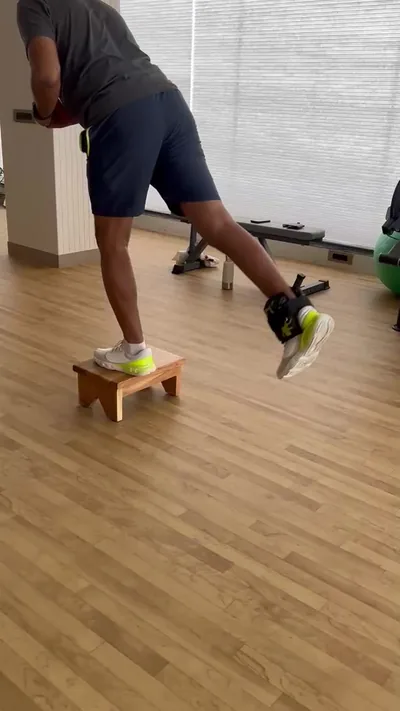
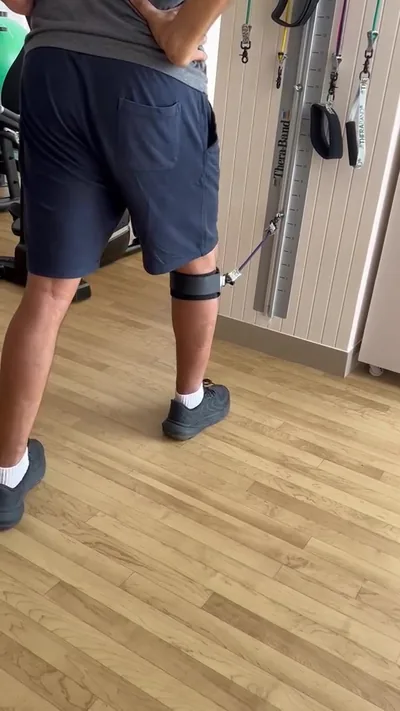
Backward Walking in ACL Rehab Phase 2
Backward walking helps athletes recover from ACL injuries. It builds knee stability in Phase 2 of rehab. This exercise targets quadriceps and improves control after surgery…
Read article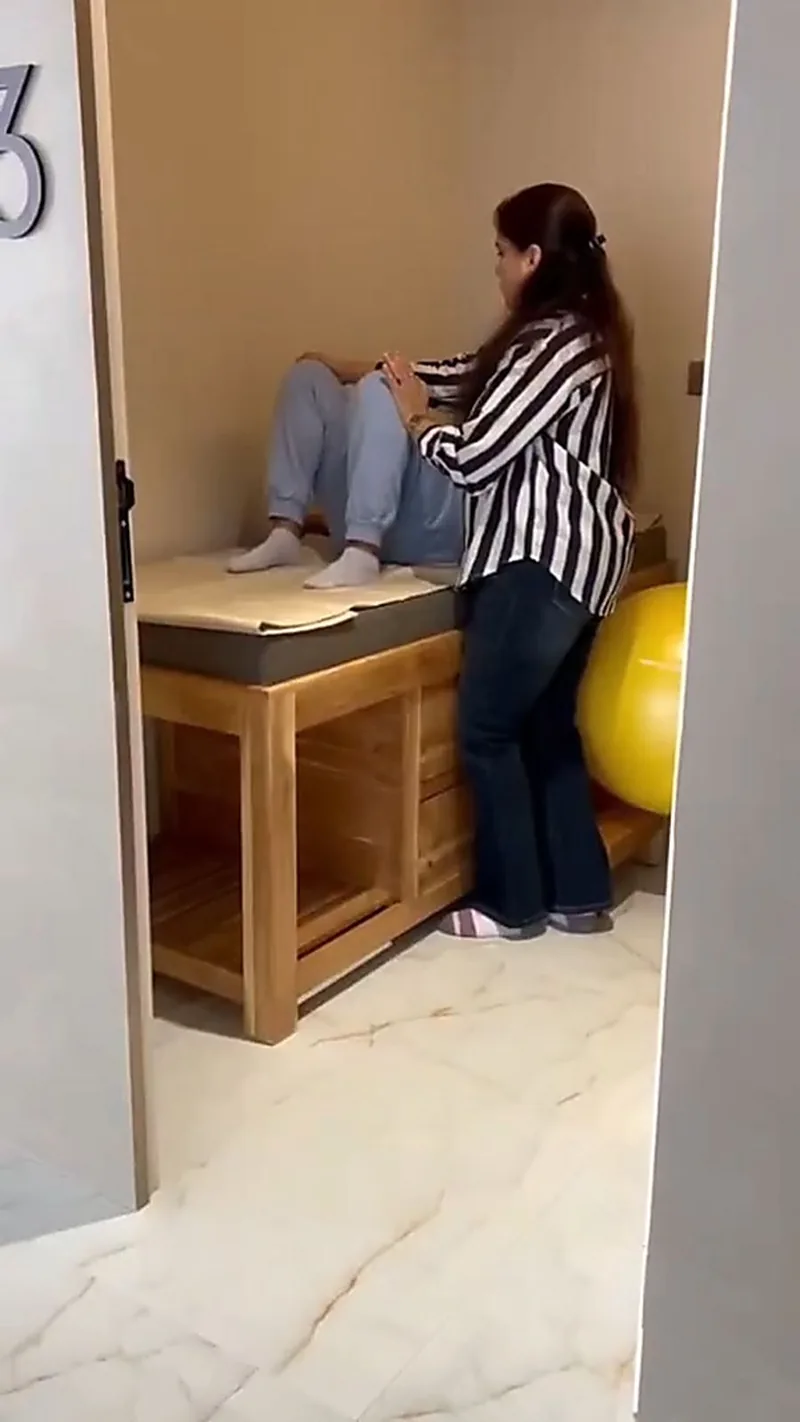

Frozen shoulder makes reaching back painful. You feel sharp pain when reaching into your back pocket or high shelf. This is common in middle-aged people in Jaipur. It limits dressing or driving.
Frozen shoulder, or adhesive capsulitis, causes stiffness and pain in the shoulder. The joint capsule tightens. Home stretches can help if done safely. Get a professional check first.
These exercises target shoulder stiffness. Do them gently. Trivayu Physio Center in Vaishali Nagar offers help.
Frozen shoulder has three stages: freezing, frozen, thawing. Pain when reaching back is key. It links to less arm use or diabetes. Shoulder stiffness stretches may ease it.
Safe home stretches aid recovery. A physiotherapist rules out other issues. Book at Trivayu Physio Center, Vaishali Nagar.
The shoulder allows wide movement. In frozen shoulder, the capsule thickens. This limits rotation for tasks like tucking shirt or reversing car.
Desk work adds strain. Gentle stretches restore motion over time. Pain flares when you try to scratch your back or fasten a bra. The rotator cuff muscles tighten too, making internal rotation hard. Looking for a Physiotherapy Clinic Near Me? Our team in Vaishali Nagar, Jaipur can assess you in person.
Do these daily after check. Start slow. Manual Therapy boosts progress. Stop any stretch that causes sharp pain beyond mild discomfort. Breathe deeply during holds. Progress by increasing hold time slowly.
Improves rotation for reaching back. Keep elbow at shoulder height. If towel slips, use a belt or sheet. Do this standing or sitting upright.
Targets rotation. Breathe steadily. Keep shoulder down away from ear. If lying hurts, try seated version with arm on table edge.
Loosens joint. Use body sway, not arm muscles. Keep circles small at first, like a clock hand.
Eases stiffness across shoulder. Stop if pain increases. Keep pull steady, not jerky.
Add these when basic ones feel easy. Warm up first with pendulum swings. These build on rotation for daily tasks like reaching into back pocket.
Opens chest and shoulder. Turn body slightly away for more stretch. Stand tall.
Builds flexion and reach. Face wall squarely. Slide, don’t climb.
Improves internal rotation. Keep elbows pointing back. Shorten stick as you improve.
Symptoms: night pain, stiffness, trouble with back moves. Freezing stage: pain increases at rest or night; frozen: max stiffness, pain eases but motion stays limited; thawing: gradual return of movement. More on Frozen Shoulder Treatment and how we assess it.
Pain wakes you from sleep. Reaching behind back feels blocked. A physiotherapist checks range to confirm. Expect assessment of active and passive motion to stage it.
They ask about pain onset, sleep, daily limits. Test motion by guiding your arm. Hands-on work loosens capsule. Electrotherapy reduces pain. Orthopaedic Rehabilitation fits your stage, with home plan.
Sessions last 30-45 minutes, 2-3 times weekly. First visit: full exam, goals set. Follow-ups track progress, adjust stretches. They teach correct form to avoid strain. Expect advice on pacing daily activities. You may also find Frozen Shoulder Behind Back Stretch Day 10 useful.
For adhesive capsulitis relief, combine stretches with rest. Pain when reaching into back pocket signals tight posterior capsule. Focus on gentle backward pulls. Use a scarf for towel stretch if hands don’t meet.
Safe home stretches for shoulder follow a sequence: loosen with pendulum, then rotate with towel, end with cross-body. Twice daily works best. Track improvement by noting how far you reach back weekly.
Go if pain lasts weeks, sleep disturbed, or weakness appears. Red flags: sudden weakness in arm, chest pain, fever, or swelling – see doctor first.
Trivayu Physio Center in Vaishali Nagar and Vikas Path treats it. Dr. Jyoti leads care.
Tight capsule limits internal rotation. Inflammation adds to it.
Yes, if gentle and after professional check to confirm diagnosis.
Twice daily, 10-15 minutes per session. Consistency matters.
If pain persists 2-4 weeks or worsens.
Most improve with physio, stretches, and time. Physio guides safe progress.
Avoid reversing if painful. Adjust mirrors, use spotter till motion improves.
Reduce hold time or range. Check form with physio.
Stay consistent with gentle work. Book at Trivayu Physio Center. WhatsApp +91 90511 06511 or call.
“`
*(Word count: 1028)*
Physiotherapy is not the right first step for everything. Seek medical assessment promptly if any of the following apply to you:
If you lose control of your bladder or bowels, develop numbness around the groin, or have chest pain or breathlessness, treat it as an emergency and go to hospital.
Truly thankful to Dr. Jyoti Choudhary and the entire team of Trivayu Physio Centre for their genuine care, humble behaviour, and excellent treatment.
Mahesh Dhaka, Google review
This is one patient's own account, published with consent on our reviews page. It describes their experience, not a predicted outcome. Individual results vary.
Backward walking helps athletes recover from ACL injuries. It builds knee stability in Phase 2 of rehab. This exercise targets quadriceps and improves control after surgery…
Read articleAfter ACL surgery, rebuilding knee strength takes time and care. ACL rehabilitation phases guide this process step by step. Phase 1 protects the graft and cuts…
Read articleAfter hip replacement surgery, dressing your lower body safely helps build independence. By week 6 of hip replacement recovery, many patients aim to dress without help.…
Read articleMessage us on WhatsApp with your main concern and preferred time, and we'll confirm your first visit the same day.