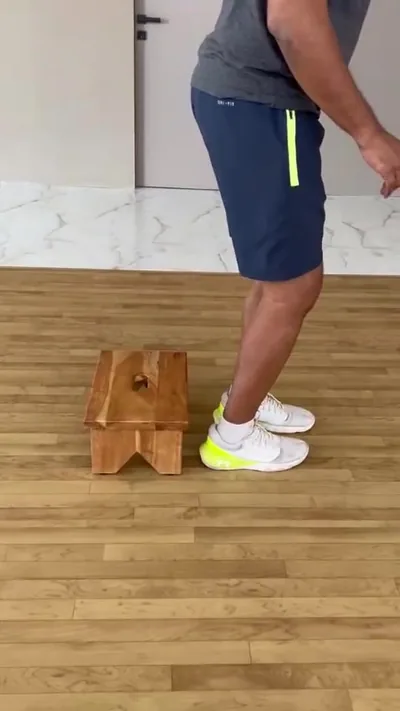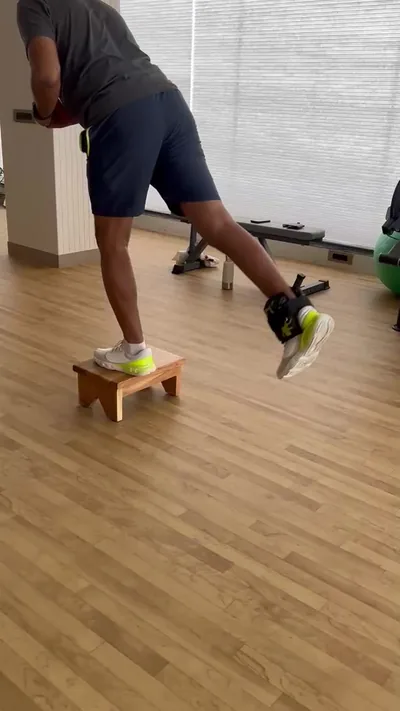
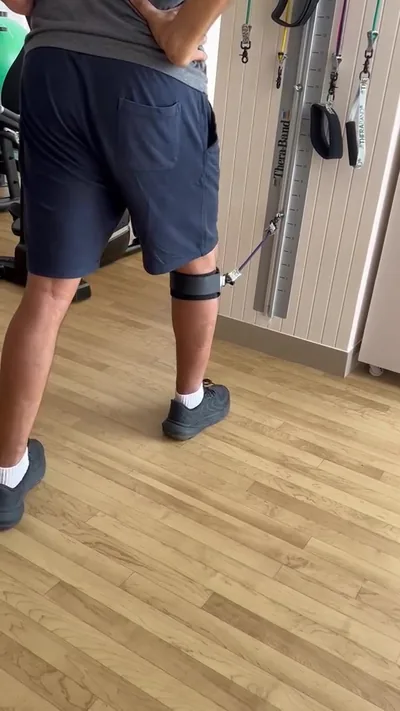
Backward Walking in ACL Rehab Phase 2
Backward walking helps athletes recover from ACL injuries. It builds knee stability in Phase 2 of rehab. This exercise targets quadriceps and improves control after surgery…
Read article

Frozen shoulder, or adhesive capsulitis, limits shoulder movement. In stage 2, pain eases but stiffness grows. The frozen shoulder behind back stretch targets this. It improves shoulder mobility. This day 10 version suits patients ready for progression.
Start after in-person assessment. Home exercises aid recovery but need guidance. Trivayu Physio Center in Vaishali Nagar, Jaipur, offers checks.
This article covers frozen shoulder recovery stages, adhesive capsulitis stretches, shoulder mobility exercises, safe shoulder stretches, day 10 frozen shoulder progression, arm behind back stretch technique, and mid stage frozen shoulder rehab.
Frozen shoulder has three stages. Stage 1, freezing, lasts weeks to months. Pain builds at night and with movement. Range drops as the shoulder capsule thickens.
Stage 2, frozen, follows. Pain lessens but stiffness peaks. Daily tasks like dressing, reaching shelves or fastening bras become hard. This stage lasts 4-12 months without help. External rotation suffers most, then internal rotation and flexion.
Stage 3, thawing, brings gradual motion return. Stiffness fades over months to years. Recovery varies. Factors include age, diabetes, early care and adherence to exercises. A physiotherapist assesses stage with goniometer or functional tests. In stage 2, use gentle mobility work.
The arm behind back stretch pulls the arm across the back. It stretches the shoulder capsule. It helps stage 2 recovery by targeting internal rotation, often the tightest motion. Looking for a Physiotherapist Near Me? Our team in Vaishali Nagar, Jaipur can assess you in person.
In mid-stage rehab, it restores rotation. Shoulder loses external rotation first, but internal rotation lags in recovery. This aids reaching back or washing the opposite side. Use as day 10 progression.
Stage 2 brings stiffness after pain. Stretches progress slowly over weeks. Day 10 fits here, assuming daily practice from a guided start.
Ready signs: Pain below 4/10 at rest and motion. Basic stretches pain-free for 3-5 days. Earlier stretch reaches mid-back without force. Shoulder tolerates 20-second holds. Physiotherapist confirms with hands-on tests, like passive internal rotation.
Mistakes: Force fast. Ignore pain signals. Skip warm-up. These risk setback or renewed inflammation. Physiotherapist may use mobilisations first, gently gliding the joint to loosen capsule before home stretches.
Day 10 uses towel for control. Do after warm-up. Breathe steady. Use 1-metre firm towel, like a yoga strap or bath towel folded lengthwise.
Modifications: Shorten hold to 10 seconds if painful. Use longer towel for more slack. Sit on chair if standing tires back. Belt or resistance band if towel slips. If right arm won’t grip top, start with hand on lower back first. More on Frozen Shoulder Treatment and how we assess it.
Precautions: Stop if dizzy, numb, pins-and-needles or chest pain. Do 2-3 times daily, morning and night. Pair with mirror check for even posture.
Pair with pendulum swings: Stand, lean forward from hips, affected arm hangs loose. Swing in small circles, 10 clockwise, 10 anticlockwise. Add breathing: inhale to start swing, exhale to enlarge.
Wall climbs: Face wall at elbow height, fingers climb up like walking. Reach as far as comfortable without shrugging. Hold 10 seconds at top, lower slowly. 5-8 reps. Progress by turning palm out slightly.
Cross-body adduction: Bring affected arm across chest at elbow height. Use good hand to pull elbow towards body. Hold 20-30 seconds, feeling stretch in back shoulder. 4 reps.
In stage 2 rehab, do 10-15 minute routine: 5-min warm-up (arm circles), swings (2 min), wall climbs (3 min), behind back (4 min), cross-body (2 min). Track tightest area daily, like ‘external rotation worst today’.
Avoid force or bouncing, which tightens the capsule more. Heat first: warm pack or shower 10 minutes to loosen tissues and boost blood flow.
Use active-assisted with props like towels or walls. Keep pain under 3-4/10 during hold. End set if pain climbs.
Key stretches for stage 2: Sleeper stretch for external rotation. Lie on affected side, pillow under head. Bend elbow to 90 degrees, forearm across belly. Use good hand to guide forearm up towards ceiling slowly. Hold 15-20 seconds, 4 reps. You may also find Frozen Shoulder Towel Stretches at Home useful.
Doorway pectoral stretch: Place forearms on doorframe at 90 degrees to body, elbows shoulder height. Lean forward gently until chest opens. Hold 20-30 seconds. This eases rounded posture common in frozen shoulder.
Prayer stretch: Clasp hands behind back, palms together if possible. Lift hands away from back slightly. Hold 15 seconds.
Progress hold time by 5 seconds weekly. Note reach weekly, like wall climb height in finger marks. Orthopaedic Rehabilitation tailors these for stage 2, matching your exact limits.
Warm up 5-10 minutes with heat and light swings. Heat boosts flow to the joint.
Sessions morning, afternoon and evening if possible. Track reach (towel gap in cm), pain 0-10 scale, reps completed.
Stop if pain worsens next day or lasts 2 hours post-stretch. Electrotherapy can calm irritation after assessment.
Focus consistent mobility over force. Assessment measures ranges like flexion, abduction, rotations, and painful arcs where pain spikes.
Graded stretches like this day 10 behind back. Start with therapist-assisted, then home. Add therapy bands later for resistance: loop light band around doorknob, pull arm out gently. Target internal rotation first, as it limits back reach.
Sessions 2-3 times weekly, 45 minutes. Mix hands-on mobilisations, exercises, education and home program review. Progress slow: increase range 5-10 degrees weekly if pain-free.
Physiotherapist watches your form live, adjusts for compensations like twisting body. Home logs guide next steps.
Red flags: Night pain returns despite rest. Strength drops, like can’t hold light weight. Swelling, heat or redness. Progress stalls 2 weeks. New clicks, grinding or weakness in arm.
Trivayu Physio Center: Dr. Jyoti Choudhary (17+ years orthopaedics), Dr. Hritika Choudhary (electrotherapy). Vaishali Nagar, Vidyadhar Nagar.
Book: +91 90570 65065 or WhatsApp.
Arm behind back using towel. Stretches capsule against stiffness, targets internal rotation.
Yes, if progressed gradually. Start basic, advance to day 10 only pain-free. Get checked first.
Week 1: waist hold. Day 10: ribs with pull. Week 2: mid-back. Increase hold or reps first, then range.
Basic version easy for 5-7 days, pain under 3/10, reaches lower ribs pain-free consistently.
Yes, with proper guidance and assessment. Visit Trivayu for checks and custom plan.
Stick to plan for mobility gains. Track changes weekly. Book at Trivayu for tailored advice.
Ready? WhatsApp or call +91 90570 65065 for assessment.
Physiotherapy is not the right first step for everything. Seek medical assessment promptly if any of the following apply to you:
If you lose control of your bladder or bowels, develop numbness around the groin, or have chest pain or breathlessness, treat it as an emergency and go to hospital.
Truly thankful to Dr. Jyoti Choudhary and the entire team of Trivayu Physio Centre for their genuine care, humble behaviour, and excellent treatment.
Mahesh Dhaka, Google review
This is one patient's own account, published with consent on our reviews page. It describes their experience, not a predicted outcome. Individual results vary.
Backward walking helps athletes recover from ACL injuries. It builds knee stability in Phase 2 of rehab. This exercise targets quadriceps and improves control after surgery…
Read articleAfter ACL surgery, rebuilding knee strength takes time and care. ACL rehabilitation phases guide this process step by step. Phase 1 protects the graft and cuts…
Read articleAfter hip replacement surgery, dressing your lower body safely helps build independence. By week 6 of hip replacement recovery, many patients aim to dress without help.…
Read articleMessage us on WhatsApp with your main concern and preferred time, and we'll confirm your first visit the same day.