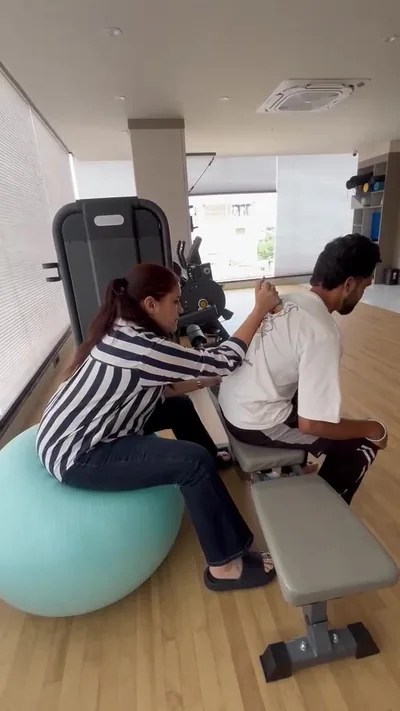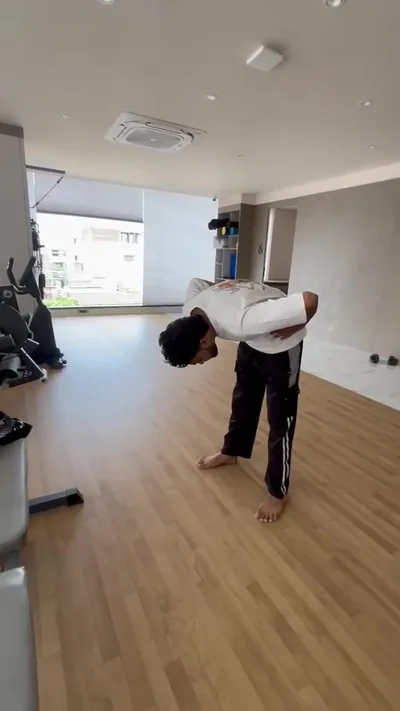
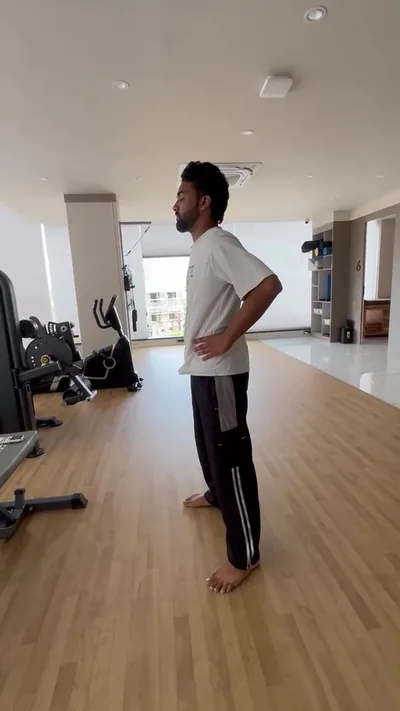
Is Side Bending Safe with L4 L5 Herniated Disc
An L4 L5 herniated disc happens when the disc between your fourth and fifth lumbar vertebrae bulges or ruptures. This presses on nearby nerves, causing pain…
Read article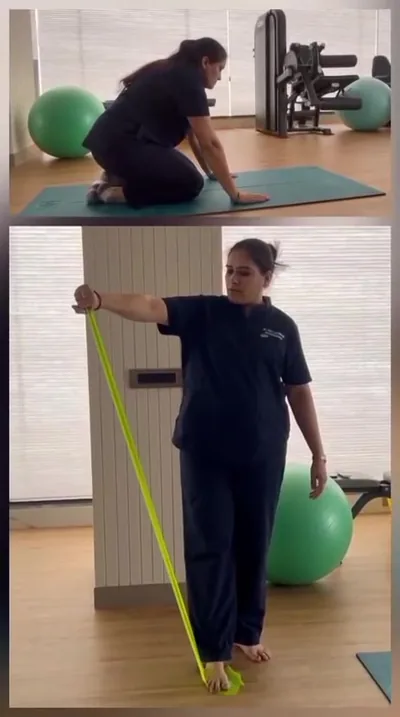

Frozen shoulder, or adhesive capsulitis, causes stiffness and pain in the shoulder joint. The capsule thickens and tightens, limiting movement. Women notice it when dressing. Putting on a saree blouse hurts because you raise your arm to hook it.
Pain comes from twisting or lifting the arm behind the back. Stiffness makes simple tasks hard. Symptoms include sharp pain at the saree hook and trouble reaching. The stiff shoulder resists backward reach for hooks. Lifting the pallu pulls on the joint.
A physiotherapist checks range of motion and notes painful directions, often outward rotation or reaching back. They ask about tasks like saree draping, blouse hooking, pallu lifting, and pleat folding. They test active and passive movement to see how much the capsule limits you.
These steps ease saree blouse pain. A physiotherapist teaches them to protect the joint. Practice in front of a mirror to check form. Breathe steadily to relax muscles.
Practice slowly, 5 minutes daily. Track positions in a notebook with sketches. Share with physio at next visit. If pain flares, stop and apply ice for 10 minutes. Looking for a Physiotherapy Near Me? Our team in Vaishali Nagar, Jaipur can assess you in person.
Drape pallu over good shoulder first. Tuck pleats at waist level while seated. Avoid lifting stiff arm overhead. Let fabric fall naturally over the body.
Pleat saree on a table while seated to keep arms low. Lift pallu across chest with good arm only. Tuck under armpit without raising painful side. Gather fabric at waist for final fold. Twist waist gently from hips, not shoulders.
For heavy sarees, pre-drape the pallu loosely around waist before sitting. Use a mannequin or helper to hold pleats steady. Roll the saree border over forearm of good arm to control drape. Avoid pinning high on painful shoulder.
Modify blouse styles for comfort. Choose front-open kurtas or loose blouses. Skip tight sleeves or high necks. A physio suggests alterations based on your range. More on Frozen Shoulder Treatment and how we assess it.
Stand tall with shoulders back and relaxed. Feet shoulder-width apart for balance. Breathe out as you reach to loosen the joint. Pause and do a gentle pendulum swing if pain flares. Use a step stool to bring hooks closer if standing tall hurts.
Hang pallu over wide rod at chest height. Fold blouses flat on bed to avoid arm lifts. Store petticoats rolled at waist level. Iron seated with board on lap.
Do these daily to build mobility for dressing. Start gentle. Stop if pain increases beyond mild discomfort. Physio demonstrates proper form. 10-15 minutes twice a day. Warm up with warm towel on shoulder for 5 minutes to relax tissues.
These improve range for blouse tasks like hooking and pallu lift. Warm up first. Progress slowly by increasing hold time or circle size. Get in-person assessment to personalise. Ice 10-15 minutes if swollen after exercise. You may also find Safe saree draping with slipped disc pain useful.
See physio if home tips fail, pain worsens, or stiffness blocks dressing for weeks. Trivayu Physio Center in Vaishali Nagar and Vidyadhar Nagar, Rangoli Gardens. Open Mon-Sat 8 am-8 pm, Sun 10 am-1 pm.
Manual Therapy loosens tight capsule and tissues. Orthopaedic Rehabilitation rebuilds strength and control. Electrotherapy reduces pain and swelling. Team: Dr. Jyoti Choudhary (17+ years orthopaedics/sports, Rajasthan Women’s Cricket Team), Dr. Hritika Choudhary (electrotherapy), Dr. Ishu Sharma (exercise therapy), Dr. Ajit Choudhary (post-op rehab), Dr. Mariyam Khan.
Plans use Class IV Laser Therapy to ease inflammation and Dry Needling for trigger points. Progress to functional training like simulated saree draping, blouse hooking practice, pallu tucks, and pleat folding with guidance. Expect 4-6 weeks, 2 visits weekly, with home exercises.
Sit low on chair. Use good arm to guide sleeve. Hook lower first while leaning forward. Use extenders or tools. Keep painful arm supported.
Painful arm on hip or low at side. Twist body from waist. Face mirror for view. Support on thigh or table. Avoid overhead lifts.
Yes, improves mobility and cuts pain. Targets stiffness with hands-on work. Includes functional practice like draping and hooking.
Yes, hooks, pleats and pallu lifts strain the joint. Adjustments like front ties and lightweight fabrics help. Physio teaches safe methods.
If pain blocks tasks like dressing, sleep or work, or stiffness lasts months. Early help prevents worsening and speeds mobility gain.
Frozen shoulder dressing pain eases with arm positioning hacks, clothing tweaks, home exercises, and professional input. Trivayu builds mobility for saree wear. Recovery varies by person.
Book an assessment today. WhatsApp or call +91 90570 65065.
“`
Physiotherapy is not the right first step for everything. Seek medical assessment promptly if any of the following apply to you:
If you lose control of your bladder or bowels, develop numbness around the groin, or have chest pain or breathlessness, treat it as an emergency and go to hospital.
Truly thankful to Dr. Jyoti Choudhary and the entire team of Trivayu Physio Centre for their genuine care, humble behaviour, and excellent treatment.
Mahesh Dhaka, Google review
This is one patient's own account, published with consent on our reviews page. It describes their experience, not a predicted outcome. Individual results vary.
An L4 L5 herniated disc happens when the disc between your fourth and fifth lumbar vertebrae bulges or ruptures. This presses on nearby nerves, causing pain…
Read articleShopkeepers in Jaipur often stand for long hours behind counters. This prolonged standing can trigger sciatica pain. Sciatica happens when the sciatic nerve gets irritated, often…
Read articleHerniated disc night pain disrupts sleep for many. The disc bulge presses on nerves, causing sharp back pain or sciatica that flares up at night. Simple…
Read articleMessage us on WhatsApp with your main concern and preferred time, and we'll confirm your first visit the same day.