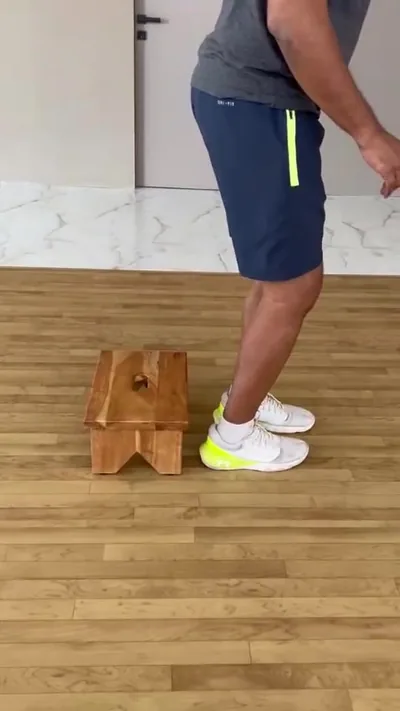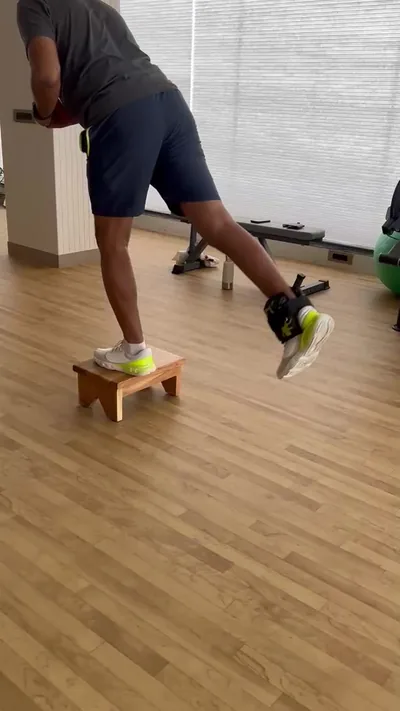
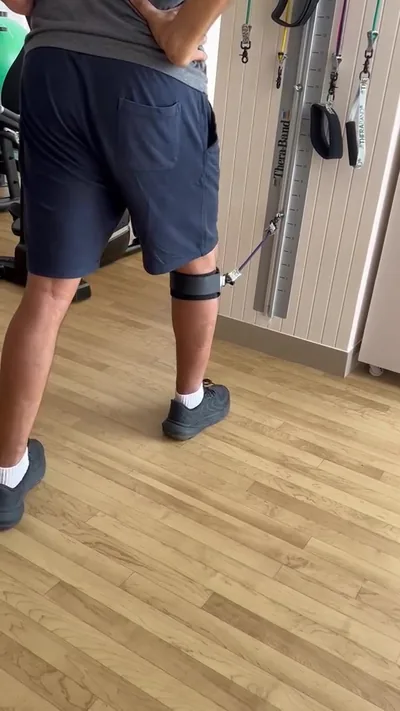
Backward Walking in ACL Rehab Phase 2
Backward walking helps athletes recover from ACL injuries. It builds knee stability in Phase 2 of rehab. This exercise targets quadriceps and improves control after surgery…
Read article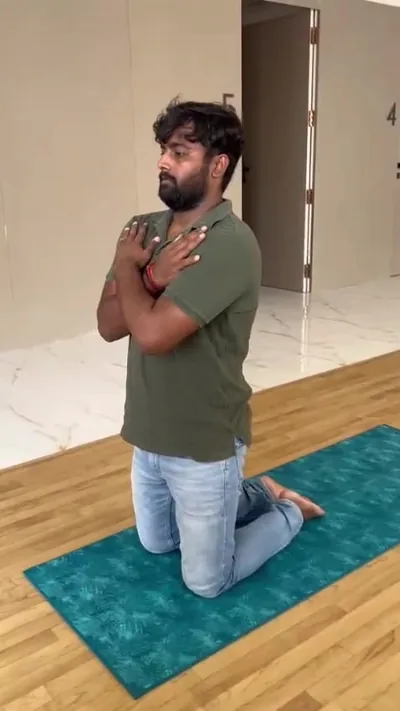

Frozen shoulder, also called adhesive capsulitis, leads to pain and stiffness in the shoulder joint. The capsule around the joint becomes thick and tight, restricting movement in all directions. For desk workers, this often starts with poor posture from hunching forward at a computer for hours. In Jaipur, many report this from office work or home setups during long screen time.
A desk worker’s typical day involves fixed positions that shorten chest muscles and weaken the muscles stabilising the shoulder. This sets the stage for inflammation. By week 3 of symptoms, pain may ease slightly, but stiffness remains the main issue. Early gentle stretches help, but always ease in slowly to avoid flare-ups.
The armpit stretch, sometimes called axillary stretch, focuses on the tissues under the arm and around the shoulder joint. These areas tighten from repeated forward arm positions, like typing or reaching for a mouse. In frozen shoulder recovery, this stretch improves shoulder abduction and external rotation without forcing the joint.
Desk workers in Jaipur benefit as it counters the forward slouch from desks. Do it after warming up to loosen surrounding muscles. Breathe steadily to relax the area. Follow with rest to let tissues adapt. Over time, this builds shoulder mobility for everyday tasks like reaching overhead or lifting light items.
Always start with a warm-up to get blood flowing. Do these in a quiet spot, sitting or standing with feet shoulder-width apart.
Do this routine twice daily. Stop any step if it causes sharp pain or increased stiffness the next day. Progress only when each stage feels comfortable for 2-3 days in a row. Looking for a Physiotherapy Near Me? Our team in Vaishali Nagar, Jaipur can assess you in person.
Desk work in Jaipur’s warm climate adds to tension from static postures. Add these shoulder stiffness stretches to your day:
Combine with posture checks: every 30 minutes, pull shoulders back and down, chin tucked slightly. This prevents shoulder pain from building during long work hours.
After the acute phase, post frozen shoulder rehab focuses on rebuilding strength and endurance. Even after pain fades, scar tissue can limit motion. A physiotherapist assesses joint range and tailors a plan.
Key principles include gradual loading. Start with isometric holds: press palm against a wall in different directions for 10 seconds, building to resistance with therapy bands if advised. Add scapular squeezes: pull shoulder blades together and hold 5 seconds, repeat 15 times. More on Frozen Shoulder Treatment and how we assess it.
Incorporate daily habits like sleeping with a pillow to support the shoulder in neutral alignment. Avoid overhead reaching until cleared. Track range of motion weekly by noting how far you can lift your arm sideways or across the body.
For office shoulder pain that feels like early frozen shoulder stiffness, use these safe shoulder stretches. Always warm up first and stop at discomfort.
Do these at your desk during breaks. They loosen tight muscles from mouse use or phone handling without needing extra space.
By week 3, initial severe pain often lessens, but the shoulder feels like it’s “stuck.” This is when targeted stretches like armpit variations shine. The body is ready for controlled stretching to break adhesions in the joint capsule.
A physiotherapist might guide progression here, using hands-on techniques to free up motion before home exercises. Combine with heat packs for 10 minutes before stretching to relax tissues. Follow with ice if any warmth builds up.
Desk workers develop imbalances: tight pectorals, weak rotator cuff muscles. Over months, this leads to impingement or frozen shoulder. Counter with micro-breaks: stand, roll shoulders, shake arms loose every 45 minutes. You may also find Frozen Shoulder Behind Back Stretch Day 10 useful.
At home, use a foam roller across upper back to release knots. Adjust chair height so elbows bend at 90 degrees when typing. These small shifts prevent progression to full frozen shoulder.
Prolonged sitting with arms forward tightens front shoulder muscles. Add poor ergonomics, and joint capsules inflame, mimicking early frozen shoulder.
Always warm up and respect your shoulder’s limits.
It can if ignored. Early stretches like armpit reaches help break the cycle before full restriction sets in.
Hands-on assessment guides safe stretches. At Trivandi Physio Center, experts use targeted approaches including Manual Therapy, Orthopaedic Rehabilitation, Electrotherapy, and Clinical Pilates.
Consult a physiotherapist if stiffness lasts beyond 3 weeks, or if simple tasks like dressing become hard. Night pain that wakes you or weakness in the arm signals need for in-person assessment.
Trivandi Physio Center in Vaishali Nagar and Vidyadhar Nagar offers care from qualified professionals. Dr. Jyoti Choudhary handles sports and orthopaedic issues with precision.
Book today. Contact +91 9057065065 or WhatsApp for guidance on frozen shoulder stretches, shoulder mobility, and more.
Physiotherapy is not the right first step for everything. Seek medical assessment promptly if any of the following apply to you:
If you lose control of your bladder or bowels, develop numbness around the groin, or have chest pain or breathlessness, treat it as an emergency and go to hospital.
Truly thankful to Dr. Jyoti Choudhary and the entire team of Trivayu Physio Centre for their genuine care, humble behaviour, and excellent treatment.
Mahesh Dhaka, Google review
This is one patient's own account, published with consent on our reviews page. It describes their experience, not a predicted outcome. Individual results vary.
Backward walking helps athletes recover from ACL injuries. It builds knee stability in Phase 2 of rehab. This exercise targets quadriceps and improves control after surgery…
Read articleAfter ACL surgery, rebuilding knee strength takes time and care. ACL rehabilitation phases guide this process step by step. Phase 1 protects the graft and cuts…
Read articleAfter hip replacement surgery, dressing your lower body safely helps build independence. By week 6 of hip replacement recovery, many patients aim to dress without help.…
Read articleMessage us on WhatsApp with your main concern and preferred time, and we'll confirm your first visit the same day.