

Is Side Bending Safe with L4 L5 Herniated Disc
An L4 L5 herniated disc happens when the disc between your fourth and fifth lumbar vertebrae bulges or ruptures. This presses on nearby nerves, causing pain…
Read article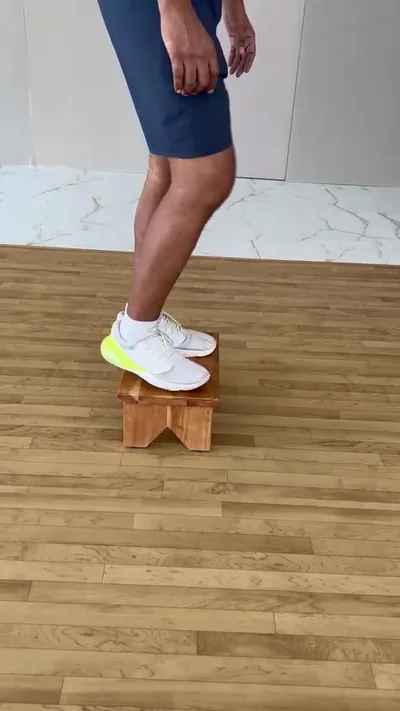

Ankle twists are common in football. A sudden pivot or tackle can sprain ligaments. Phase 1 of football ankle injury rehab focuses on early stability after the acute stage. This protects healing tissues and builds a base for return to play.
Young footballers in Jaipur often face this from rough pitches or quick turns. Early ankle stability exercises help regain balance without stress. Always get an in-person check first. Trivayu Physio Center in Vaishali Nagar offers assessments for safe plans.
Football brings high-speed changes. An ankle twist happens when the foot rolls over during a cut or landing. This strains outer ligaments, like the ATFL.
Phase 1 follows rest and ice in the first days. It targets early stability after acute injury. The aim is to protect healing tissues while restoring basic control. This sets up safe return to play.
In the ankle injury early phase, your physio checks weight-bearing capacity. They test gentle range of motion by moving the foot up and down without force. They press around the ankle to find tender spots. This in-person assessment spots if bones are involved or if swelling hides deeper issues. At Trivayu Physio Center, Vaishali Nagar, Jaipur, our team checks swelling, range and strength. We also serve Vidyadhar Nagar. Book to avoid setbacks. Looking for a Physiotherapy Near Me? Our team in Vaishali Nagar, Jaipur can assess you in person.
For young footballer recovery, the physio notes your age and sport demands. Younger players heal faster but need controlled loads to avoid growth plate stress. They explain daily short sessions, twice a day if possible, building from 10 minutes up.
Early ankle stability exercises rebuild balance and proprioception. Proprioception is your body’s sense of joint position. Ankle twists disrupt this, raising re-injury risk.
Goals include reducing leftover swelling and strengthening support muscles. For young footballers, this prevents long-term issues.
Work focuses on controlled moves. It protects the ankle during daily tasks first, then sport. A physio starts with seated or supported exercises. They watch form to ensure the good leg does not take over. They add light resistance only if the ankle stays calm.
Start these in a safe spot with support nearby. Do them daily. Stop if pain rises beyond mild ache. Manual Therapy can loosen tight tissues before drills. Expect 10-15 minutes per session. Warm up with ankle circles: sit and rotate the foot clockwise then anti-clockwise, 10 each way.
A physio tailors these for ankle sprain rehabilitation. They adjust reps based on your pain scale, say 0-10 where 3 is mild.
Here are four simple drills:
Precautions: Wear supportive shoes. Ice after if sore. Breathe steady. Track each session: note time held, any wobble or pain. Share with physio for tweaks. More on Ankle Pain Treatment and how we assess it.
Progress to phase 2 when you balance single-leg for 60 seconds without wobble, walk heel-to-toe pain-free, and do sport tasks lightly. No swelling after drills signals readiness. A physio tests this: they time your balance on foam, check heel-toe on a curve, and add a light jog test.
For safe return to play, phase 1 leads to ankle strengthening drills like calf raises or resistance bands. But only after stability holds.
Common errors slow recovery. Rushing adds stress to healing ligaments. Ignoring pain risks re-injury. Skipping warm-up or poor form strains other areas. Physios spot leaning to the good side or tense shoulders, which unbalance the core.
A physio monitors form and adjusts. They use simple tests like star excursion reach: stand one leg, reach toes to points on floor without falling.
Safe return to play follows all phases. Phase 1 stability sets the base. Your physio builds a checklist: can you hop single-leg 10 times? Cut direction without wobble? Kick a ball with control? You may also find Football Tackle Ankle Sprain Phase 1 Physio Drills useful.
For footballers, they simulate game stress: balance on one leg while passing an imaginary ball. Add speed slowly: jog then sprint on straight lines before curves. Electrotherapy helps if pain lingers during tests.
Young players return faster with guidance. Rough Jaipur pitches demand strong ankles, so phase 1 prevents repeat twists. Physio clears you only after sport-specific drills pass, like figure-8 runs around cones.
Trivayu Physio Center tailors sports ankle rehab. Dr. Jyoti Choudhary, with 17+ years and service to Rajasthan Women’s Cricket Team, leads sports injury care. Dr. Hritika Choudhary handles advanced electrotherapy for pain relief. Orthopaedic Rehabilitation fits post-phase 1 strengthening.
We offer home visits and online consults. Locations at Vaishali Nagar and Vidyadhar Nagar fit busy schedules. Hours: Monday to Saturday 8 am to 8 pm, Sunday 10 am to 1 pm.
Contact +91 90570 65065 or WhatsApp for your assessment. Get a personalised plan for football ankle injury rehab.
It is the early stage after acute care. Focuses on protecting the ankle while building basic stability and balance. Prepares for stronger loads later.
After 48-72 hours if swelling drops and weight-bearing hurts less. See a physio first to check. Timing varies by injury grade.
Yes, if pain-free and supervised. They match growing bodies. A physio ensures proper form to avoid strain.
After full phases, when strength, balance and sport tests pass. Often weeks to months. Physio testing confirms safe return to play.
Yes, for best results. Self-drills help but pros spot issues early. Trivayu team customises for safe recovery.
Step back to easier version, like both feet. Tell your physio. They adjust with hands-on cues or add support.
Pitches add twist risk. Phase 1 builds base for uneven ground. Physio adds pillow drills to mimic turf bumps.
Phase 1 sets the foundation. Stick to drills and guidance. Book your assessment at Trivayu Physio Center today. WhatsApp +91 90570 65065 or call for personalised football ankle injury rehab.
Physiotherapy is not the right first step for everything. Seek medical assessment promptly if any of the following apply to you:
If you lose control of your bladder or bowels, develop numbness around the groin, or have chest pain or breathlessness, treat it as an emergency and go to hospital.
Truly thankful to Dr. Jyoti Choudhary and the entire team of Trivayu Physio Centre for their genuine care, humble behaviour, and excellent treatment.
Mahesh Dhaka, Google review
This is one patient's own account, published with consent on our reviews page. It describes their experience, not a predicted outcome. Individual results vary.
An L4 L5 herniated disc happens when the disc between your fourth and fifth lumbar vertebrae bulges or ruptures. This presses on nearby nerves, causing pain…
Read articleShopkeepers in Jaipur often stand for long hours behind counters. This prolonged standing can trigger sciatica pain. Sciatica happens when the sciatic nerve gets irritated, often…
Read articleHerniated disc night pain disrupts sleep for many. The disc bulge presses on nerves, causing sharp back pain or sciatica that flares up at night. Simple…
Read articleMessage us on WhatsApp with your main concern and preferred time, and we'll confirm your first visit the same day.

