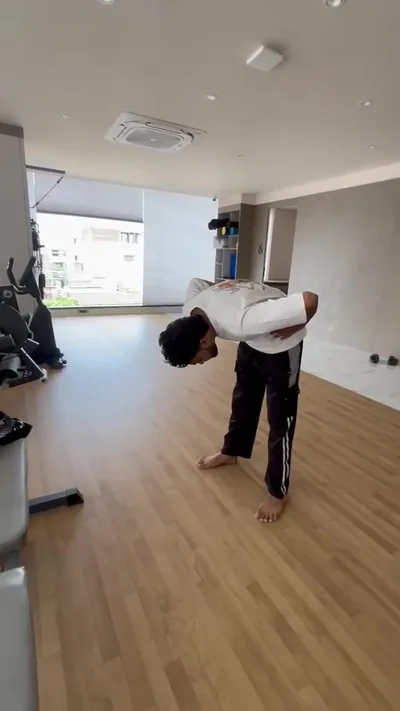
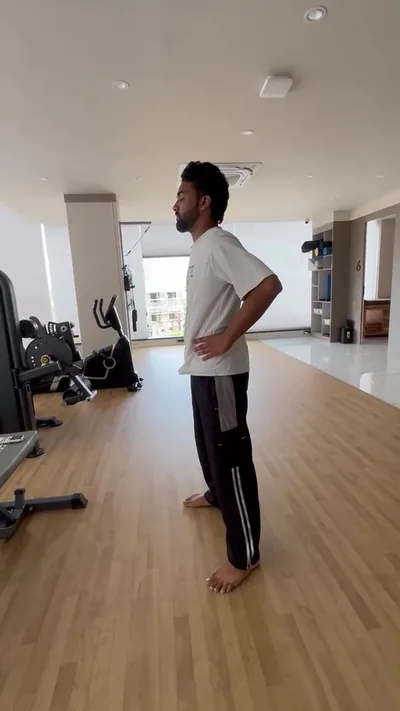
Is Side Bending Safe with L4 L5 Herniated Disc
An L4 L5 herniated disc happens when the disc between your fourth and fifth lumbar vertebrae bulges or ruptures. This presses on nearby nerves, causing pain…
Read article

L4 L5 disc leg weakness comes from a herniated disc pressing on nerves. This causes foot drop, where lifting the front of your foot feels hard. Numbness in the leg adds trouble. Disc bulge foot weakness makes steps unsteady. L5 nerve leg pain shoots down the side of the leg.
Strengthening exercises restore leg strength from disc problems. They target muscles affected by L4 L5 nerve pressure. Start slow and get checked first. Trivayu Physio Center offers help for L4 L5 herniated disc leg weakness.
Proper exercises target L5 nerve leg pain and disc bulge foot weakness. They ease sciatica leg weakness and numbness. A physio guides safe progress. Expect hands-on checks of leg power and walking pattern.
The L4-L5 disc sits between the fourth and fifth lumbar bones. Herniation means the soft centre bulges through the outer layer. It presses nerves to the legs, causing L4 L5 disc leg weakness.
The L5 nerve root controls muscles that lift the foot and toes. Pressure causes foot drop. You may drag your foot or slap it down. Numbness adds pins and needles or loss of feeling along the outer calf or top of the foot. Looking for a Physiotherapy Near Me? Our team in Vaishali Nagar, Jaipur can assess you in person.
Causes vary. Tight muscles or spine shifts can mimic this. See a doctor for MRI to confirm. Physio assessment follows. They test reflexes, leg strength, and sensation. In Jaipur, clinics like Trivayu handle these checks.
Expect questions on weakness onset, pain patterns, and daily limits. Physios ask you to walk on heels and toes. They check if you can resist foot push or pull. This spots L4 L5 disc bulge effects.
Safe exercises build muscle around weak nerves. They improve blood flow to aid nerve function. Strong legs support the spine and cut pain. Glutes and thighs stabilise during sits and stands.
Wrong moves worsen disc press. Manual Therapy eases tight tissues first to ready you for exercise. Check with a physio. They tailor moves to your L4 L5 herniated disc leg weakness and watch form. More on Ankle Pain Treatment and how we assess it.
Physios clear swelling with gentle moves. Then isolated leg work builds control. Finally, walks and stairs retrain balance. Orthopaedic Rehabilitation structures spine-leg links.
Start lying down to avoid falls. Do 2 sets of 10 reps daily. Breathe out on effort. Stop if pain grows. Warm up with 5 minutes marching in place.
Ankle dorsiflexion: Lie on back, legs straight. Loop towel around foot’s ball. Pull toes toward shin, knee straight. Hold 5 seconds. Wakes front shin muscle. Do both sides.
Heel raises: Stand holding chair. Rise onto toes over 3 seconds. Lower over 3 seconds. Builds calf strength. Seated version: press toes down against floor.
Nerve glides: Sit on chair edge. Extend leg, knee straight. Point toes down, then pull up 10 times. Slide heel forward along floor, then back. Eases L5 nerve leg pain. Pain-free range only. You may also find L4 L5 Herniated Disc Leg Weakness Home Tests useful.
Seated leg lifts: Sit straight. Tighten thigh and lift knee to level. Hold 3 seconds. Targets thigh muscles.
Bridge hold: Lie on back, knees bent, feet flat. Lift hips slightly. Hold 5 seconds. Strengthens back, glutes, hamstrings.
Side-lying hip abduction: Lie on unaffected side. Lift top leg 20 cm, hold 2 seconds. Targets outer hip muscles.
Prone leg hangs: Lie face down on bed edge. Let leg hang for 2 minutes. Stretches tight back nerves.
Progress weekly. A physio watches form for L4 L5 disc exercises. Track walking without dragging.
Trivayu in Vaishali Nagar and Vidyadhar Nagar treats spine issues. Robotic Spinal Decompression Therapy pulls spine to ease disc pressure on nerves. Electrotherapy reduces pain and swelling.
Dry Needling targets tight spots in glutes or calves. Sessions last 20-30 minutes with exercises. Dr. Jyoti Choudhary leads with orthopaedic skills. Dr. Hritika Choudhary excels in electrotherapy. Book at 204, 2nd Floor, Om Tower, Gandhi Path Road, Nemi Nagar, Vaishali Nagar, Jaipur. Open Mon-Sat 8 am to 8 pm, Sun 10 am to 1 pm.
Red flags: sudden numbness, loss of bladder control, saddle numbness, weakness in both legs, worsening weakness, or falls. Call emergency if so.
See a physio for in-person checks. Home visits suit mobility limits. Online consultations start plans. Early help prevents long-term foot drop. Physios track nerve recovery.
Disc bulge presses L5 nerve root. Disrupts signals to leg muscles like tibialis anterior. Numbness and pain lead to weakness. Sitting long or bending sparks it.
Exercises build strength around the nerve. Full fix depends on nerve healing. Physio guidance improves outcomes.
Nerve glides and dorsiflexion ease numbness. Strengthen with heel raises, bridges, hip abductions. Get pro advice.
At first signs, foot drop, numbness spread, or failed home tries after 1-2 weeks. Red flags need same-day help.
Not always. Early physio and exercises restore strength. Delays raise risks. Consistent work shows gains.
Check foot drop by heel walking. Resist foot push. Test sensation on shin and foot. Ankle reflex shows nerve health.
Take steps to beat L4 L5 herniated disc leg weakness. Safe exercises build a base. Pro care speeds gains.
Book an assessment at Trivayu Physio Center. WhatsApp +91 90570 65065 or call to start.
Physiotherapy is not the right first step for everything. Seek medical assessment promptly if any of the following apply to you:
If you lose control of your bladder or bowels, develop numbness around the groin, or have chest pain or breathlessness, treat it as an emergency and go to hospital.
Truly thankful to Dr. Jyoti Choudhary and the entire team of Trivayu Physio Centre for their genuine care, humble behaviour, and excellent treatment.
Mahesh Dhaka, Google review
This is one patient's own account, published with consent on our reviews page. It describes their experience, not a predicted outcome. Individual results vary.
An L4 L5 herniated disc happens when the disc between your fourth and fifth lumbar vertebrae bulges or ruptures. This presses on nearby nerves, causing pain…
Read articleShopkeepers in Jaipur often stand for long hours behind counters. This prolonged standing can trigger sciatica pain. Sciatica happens when the sciatic nerve gets irritated, often…
Read articleHerniated disc night pain disrupts sleep for many. The disc bulge presses on nerves, causing sharp back pain or sciatica that flares up at night. Simple…
Read articleMessage us on WhatsApp with your main concern and preferred time, and we'll confirm your first visit the same day.