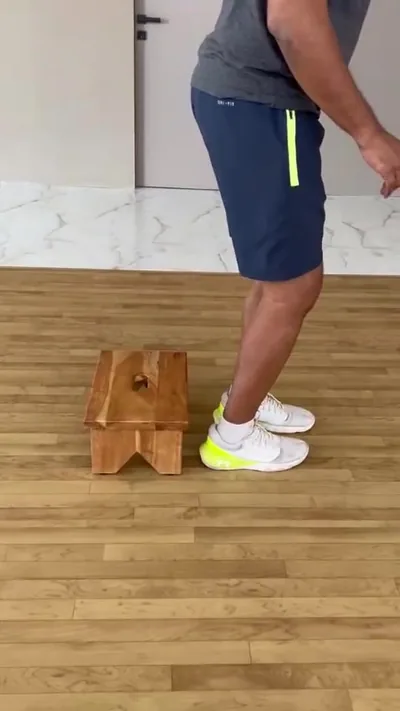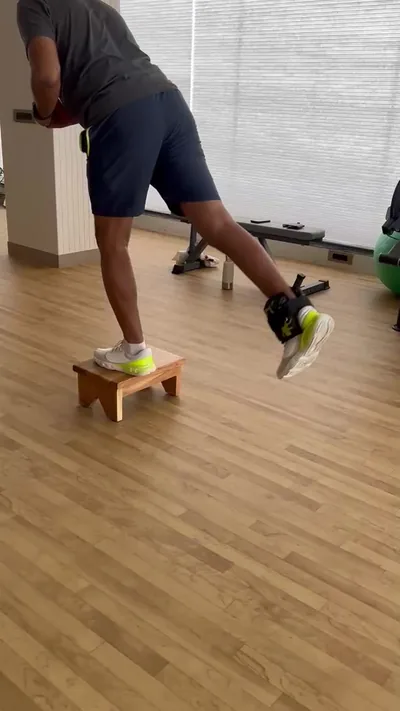
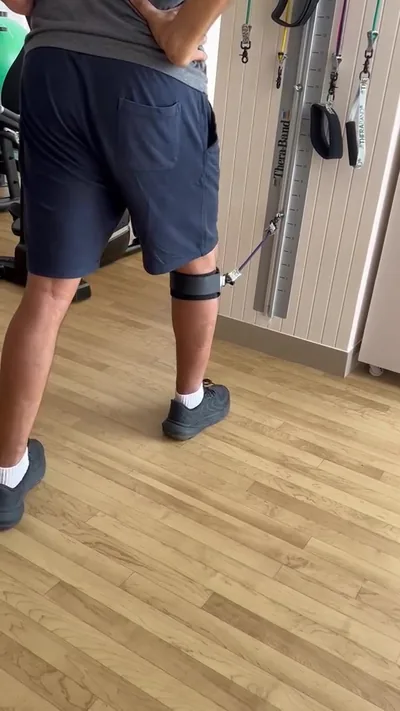
Backward Walking in ACL Rehab Phase 2
Backward walking helps athletes recover from ACL injuries. It builds knee stability in Phase 2 of rehab. This exercise targets quadriceps and improves control after surgery…
Read article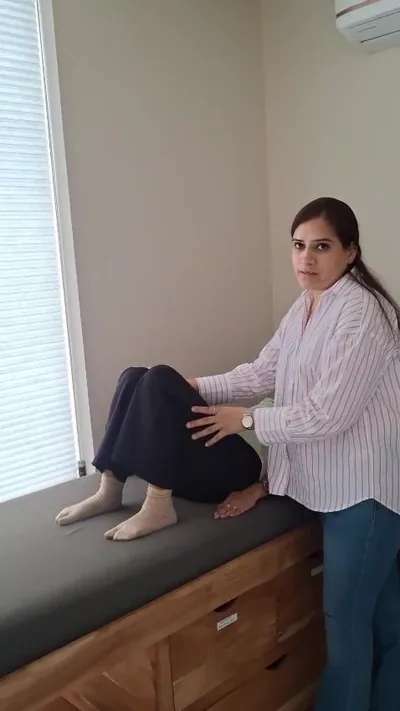
In Indian homes, especially in Jaipur, sitting on the floor is common for eating, praying, and resting.
Trivayu Physio Center offers post-surgery rehab to guide you. We focus on knee surgery rehab in Jaipur, adapting to local lifestyles.
Our team, including Dr. Jyoti Choudhary with 17+ years in orthopaedic physiotherapy and Dr. Hritika Choudhary specialising in post-op rehab, supports safe return to floor sitting.
Knee replacement surgery rebuilds the joint with metal and plastic parts to ease pain from arthritis or injury.
Floor sitting requires deep knee bend, often over 120 degrees. Early after surgery, this flexion risks pain, swelling, stiffness, or implant stress.
Without care, you may face setbacks like increased pain or delayed healing. Jaipur homes often have low furniture, so rehab must address these needs.
Follow these precautions every day after total knee replacement to protect the joint. Elevate your leg above heart level when resting to control swelling.
Avoid twisting the knee or pivoting on the operated leg. Do not kneel on the new knee. Keep wounds clean and dry until healed.
Use a walker or crutches as advised, even indoors. Wear supportive shoes with good grip to prevent slips on Jaipur’s tiled floors. Limit walking until strength builds. Looking for a Physiotherapist Near Me? Our team in Vaishali Nagar, Jaipur can assess you in person.
For Indian lifestyle, modify cooking or cleaning: Use a high stool instead of bending low. Ask family for help with heavy lifting.
Start floor sitting only when your physiotherapist approves, often weeks after surgery based on your progress. Use these steps for safety.
Use aids like a reacher stick to grab items without bending, or a knee support brace for stability.
A physiotherapist at Trivayu would check your knee range first, then demonstrate these moves hands-on. They watch your form to spot errors.
Squatting strains the knee more than sitting, as it needs deeper flexion and balance. Delay full squats until months after surgery, when strength returns.
To squat safely: Stand with feet shoulder-width, toes out slightly. Hold a chair back. Bend knees and hips together, keeping knees over toes.
Avoid deep squats early; use partial ones for tasks like picking up laundry.
Exercise therapy at Trivayu Physio builds knee flexion and strength for floor sitting. Clinical Pilates improves control. Manual therapy eases stiffness.
Try these simple exercises under guidance. Do them daily, 10-15 repeats, as comfort allows. Stop if pain increases.
Progress to floor-based exercises like assisted sits once cleared. Track progress with your therapist, who adjusts based on your Indian lifestyle needs.
Post-op knee care in Jaipur means adapting to floor sitting, cross-legged positions, and low stools.
Week 1-2: Walker walking, straight leg raises. Week 3+: Chair sits, then floor trials. They teach using household items like dupattas as straps or walls as supports. Read more about our Orthopaedic Physiotherapy.
For eating on floor, practice short sessions with plate on cushion. For prayer, use kneeling pads later. Avoid pain by stopping at first discomfort.
Sessions include gait training for Jaipur streets, balance work for crowded markets. Daily home exercises speed gains.
Trivayu Physio Center uses Class IV high power laser therapy to reduce inflammation. TECAR therapy speeds tissue healing. Robotic spinal decompression aids related back issues. You may also find Hip Replacement Gait Training Weeks 3-6 in Jaipur useful.
Advanced electrotherapy relieves pain. Dry needling targets tight muscles. Cupping therapy improves blood flow.
Our team excels in post-op rehab. Dr. Hritika Choudhary handles advanced electrotherapy. Dr. Ishu Sharma focuses on exercise therapy.
To avoid pain during floor sitting post knee surgery, warm up first with 5 minutes walking. Breathe steadily, exhale on bend.
Common errors: Rushing down, uneven legs, no arm use. Correct by practising in clinic mirrors. Build quad and hip strength to share load.
Seek help if floor sitting causes sharp pain, swelling, or instability. Other signs include knee stiffness, clicking, or trouble walking.
Book an in-person assessment at Trivayu Physio Center, 204, 2nd Floor, Om Tower, Gandhi Path Road, Nemi Nagar, Vaishali Nagar, Jaipur. We treat knee pain and post-surgery rehab.
Do not self-diagnose. Physiotherapy supports, but does not replace, doctor care.
Yes, with precautions and after gaining enough knee flexion. Start guided by your physiotherapist to avoid injury.
Use supports like chairs or walls. Lower slowly with arms. Keep knee angle comfortable. Stand by pushing up first.
Timing varies by recovery. Often 6-12 weeks, when you bend knee over 90 degrees without pain. Get professional advice.
Heel slides, seated bends, wall squats build flexion. Exercise therapy and clinical Pilates at our clinic assist.
Use cushions, aids for sitting. Progress slowly. Local rehab adapts to floor habits, posture, and daily routines.
Elevate, ice, use aids. Modify home tasks. Clinic rehab fits local life.
Follow these knee replacement precautions for floor sitting to recover well. Trivayu Physio Center helps with knee rehab for Indian lifestyle.
Book an assessment today. WhatsApp or call +91 90570 65065.
Physiotherapy is not the right first step for everything. Seek medical assessment promptly if any of the following apply to you:
If you lose control of your bladder or bowels, develop numbness around the groin, or have chest pain or breathlessness, treat it as an emergency and go to hospital.
Truly thankful to Dr. Jyoti Choudhary and the entire team of Trivayu Physio Centre for their genuine care, humble behaviour, and excellent treatment.
Mahesh Dhaka, Google review
This is one patient's own account, published with consent on our reviews page. It describes their experience, not a predicted outcome. Individual results vary.
Backward walking helps athletes recover from ACL injuries. It builds knee stability in Phase 2 of rehab. This exercise targets quadriceps and improves control after surgery…
Read articleAfter ACL surgery, rebuilding knee strength takes time and care. ACL rehabilitation phases guide this process step by step. Phase 1 protects the graft and cuts…
Read articleAfter hip replacement surgery, dressing your lower body safely helps build independence. By week 6 of hip replacement recovery, many patients aim to dress without help.…
Read articleMessage us on WhatsApp with your main concern and preferred time, and we'll confirm your first visit the same day.