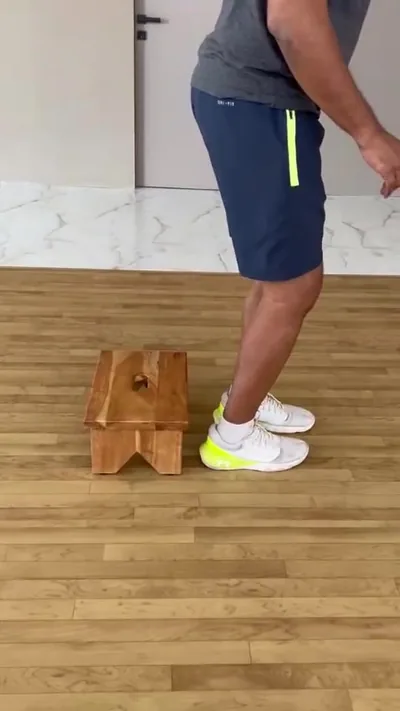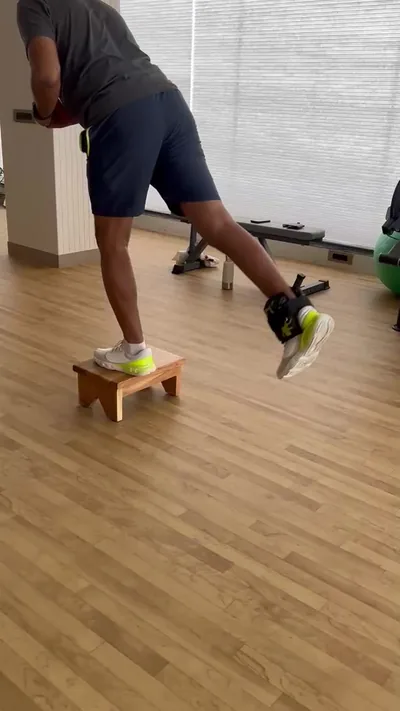
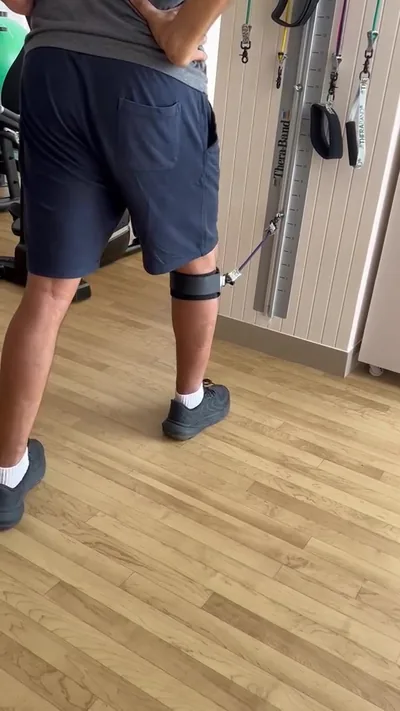
Backward Walking in ACL Rehab Phase 2
Backward walking helps athletes recover from ACL injuries. It builds knee stability in Phase 2 of rehab. This exercise targets quadriceps and improves control after surgery…
Read article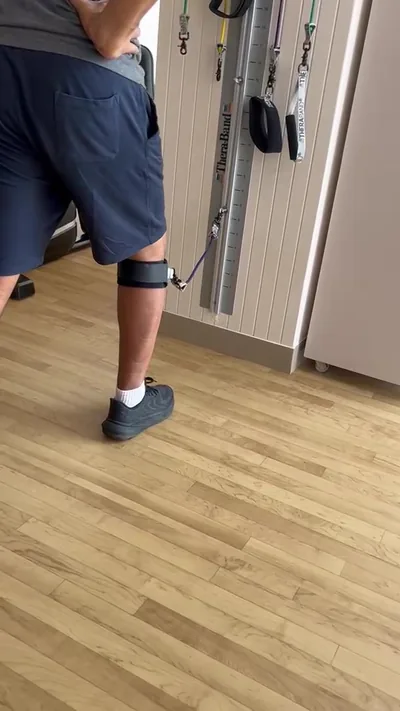

ACL plyometrics phase 3 marks the start of first jumps after ACL injury. This stage builds explosive strength safely. It comes after strength and control work in earlier phases. Advanced athletes use it to regain power for sports.
In ACL knee rehab jumps, you shift from basic exercises to dynamic moves. These first jumps after ACL help restore speed and agility. Always check readiness with a physiotherapist before starting. Trivayu Physio Center in Vaishali Nagar, Jaipur, guides patients through this plyometric progression ACL.
Plyometric training ACL focuses on quick muscle actions. It prepares your knee for sport demands. Done right, it cuts re-injury risk. Done wrong, it can set you back. This guide covers safe ACL plyometrics.
ACL plyometrics phase 3 is an advanced stage in ACL rehab. It introduces controlled jumps to build power. You enter from phase 2, which focuses on strength and single-leg stability.
Criteria to enter include pain-free daily activities, good squat strength and balanced hops without knee wobble. Your knee must handle bodyweight loads well. This phase shifts to power and first jumps. It trains fast-twitch muscles for explosive strength ACL rehab.
The role is to bridge gym work to field demands. ACL rehab phase 3 Jaipur athletes often reach this stage after building a solid base, but timelines vary by person. A physio assesses your readiness with tests like hop distance symmetry and landing stability. Looking for a Physiotherapist Near Me? Our team in Vaishali Nagar, Jaipur can assess you in person.
Physiotherapists check knee alignment during hops. They watch for any wobble or early fatigue. This ensures safe power building ACL recovery.
For advanced athletes, plyometrics restore sport-specific power. Sports like football or cricket need quick bursts. ACL rehab jumps build that ability.
Benefits include better speed, higher jumps and stronger landings. It aids injury prevention by improving muscle reaction. Power building ACL recovery happens here safely.
Risks exist if progressed too soon. Weak control leads to knee stress. Wait until phase 2 milestones are met to avoid setbacks. Physiotherapists use tools like force plates or video analysis to confirm readiness if available.
Before ACL plyometrics phase 3, meet strength prerequisites. You need double-leg squats at bodyweight for 3 sets of 10 without pain. Single-leg squats should reach knee height on both legs equally.
Pass balance tests like single-leg stands on unstable surfaces for 30 seconds each side. Ensure pain-free milestones: no swelling after workouts, full knee range and stable walking.
Test hop readiness with a simple bilateral hop: Jump forward 50 cm and land balanced. If your knee buckles or swells after, delay jumps. Manual Therapy can help prep tissues if stiffness lingers. Orthopaedic Rehabilitation ensures a strong base. At Trivayu Physio Center, our team like Dr. Jyoti Choudhary checks these before jumps.
Warm-up properly each session. Start with 10 minutes of light cardio like stationary biking, followed by dynamic leg swings and bodyweight squats. This primes muscles and joints for explosive work. More on Sciatica Treatment and how we assess it.
Start with low-impact moves. Focus on form over volume. Do sessions 2-3 times weekly, with rest days. Build sets gradually. Land softly every time, absorbing force through hips and knees.
Advanced ACL exercises like these demand focus. Film yourself for form checks. A physiotherapist can spot errors like early knee collapse or uneven loading.
What to expect in a session: Feel muscle burn in quads and calves, mild fatigue after sets. Soreness next day is normal if mild. Ice if needed, elevate knee.
Plyometric progression ACL follows a clear path. Week 1-2: Master box drops and pogos at low volume. Week 3-4: Add single-leg hops and skaters, increase reps to 10 per set.
Next, introduce hurdles: Line up low hurdles (15 cm) and hop over bilaterally, then single-leg. Do 3 sets of 6 crossings. Focus on minimal ground contact time. You may also find ACL Rehab Box Jumps Height and Reps Guide useful.
Build to depth jumps: Drop from 30 cm box, immediate rebound up. Start bilateral only. This trains reactive strength for explosive strength ACL rehab.
Monitor progress with hop tests: Measure single-leg hop distance weekly. If plateaued, revisit strength work.
Overloading too fast causes issues. Stick to low reps and height at first. Increase only after 1-2 weeks of easy sessions.
Poor landing mechanics stress the ACL graft. Avoid knees caving in (valgus). Cue ‘knees out’ and land with hips back. Practice in mirror or video.
When to stop and seek physio assessment: Swelling, instability or pain over 2/10. Instability feels like knee giving way. Visit a clinic for checks, possible graft stress test.
Signs ready for phase 4: Painless multi-directional jumps, sport-specific power tests passed. For example, complete 10 single-leg hurdle hops without wobble. Integrate with running drills or ball work.
Electrotherapy aids recovery between sessions if soreness builds. Trivayu Physio Center in Vaishali Nagar or Vidyadhar Nagar monitors progress. Our sports physios like Dr. Jyoti Choudhary tailor plyometric training ACL for you.
A physiotherapist approach: They design your program based on sport. Footballers add cutting drills; cricketers focus on bounding. In-clinic sessions include feedback on landings and power output.
Expect clinic visits every 2-4 weeks: Re-test hops, adjust volume, clear for next progression. Home program includes log sheet for reps, pain levels, distances.
It is the stage introducing first jumps after ACL for power. Follows strength phases. Builds explosive strength safely.
When phase 2 complete: strong squats, balance and no pain. Physio confirms with tests.
Start low: box drops, pogos. Focus landing control. Progress slow, film form.
Warm up, watch form, rest if fatigued. Stop for pain or swelling.
With guidance yes, but in-person assessment first. Clinics like Trivayu ensure safety.
In summary, ACL plyometrics phase 3 restarts power safely. Follow prep, exercises and precautions. Progress varies; professional input key.
Book your assessment at Trivayu Physio Center today. WhatsApp +91 90570 65065 or call.
Physiotherapy is not the right first step for everything. Seek medical assessment promptly if any of the following apply to you:
If you lose control of your bladder or bowels, develop numbness around the groin, or have chest pain or breathlessness, treat it as an emergency and go to hospital.
Truly thankful to Dr. Jyoti Choudhary and the entire team of Trivayu Physio Centre for their genuine care, humble behaviour, and excellent treatment.
Mahesh Dhaka, Google review
This is one patient's own account, published with consent on our reviews page. It describes their experience, not a predicted outcome. Individual results vary.
Backward walking helps athletes recover from ACL injuries. It builds knee stability in Phase 2 of rehab. This exercise targets quadriceps and improves control after surgery…
Read articleAfter ACL surgery, rebuilding knee strength takes time and care. ACL rehabilitation phases guide this process step by step. Phase 1 protects the graft and cuts…
Read articleAfter hip replacement surgery, dressing your lower body safely helps build independence. By week 6 of hip replacement recovery, many patients aim to dress without help.…
Read articleMessage us on WhatsApp with your main concern and preferred time, and we'll confirm your first visit the same day.