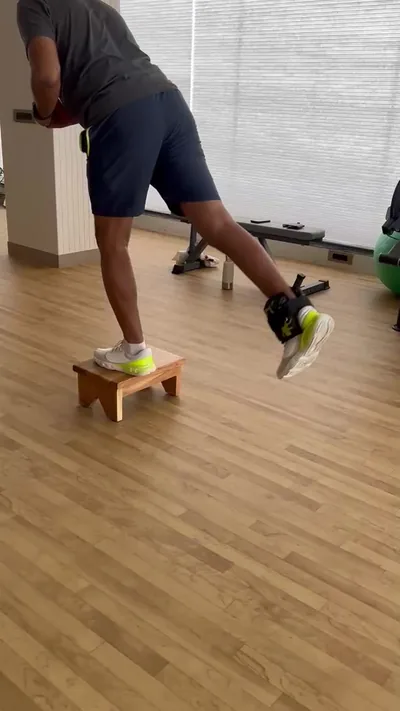
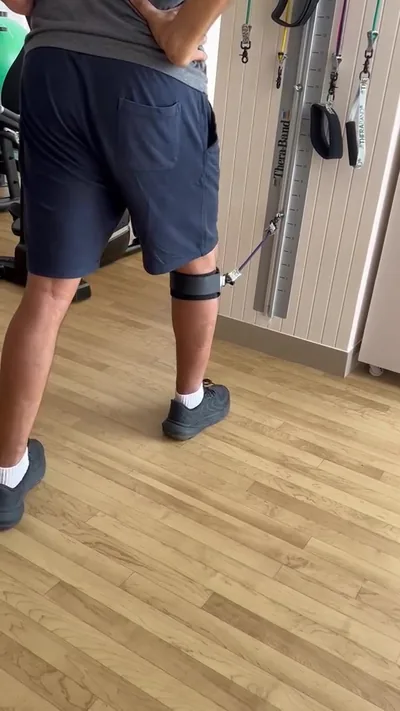
Backward Walking in ACL Rehab Phase 2
Backward walking helps athletes recover from ACL injuries. It builds knee stability in Phase 2 of rehab. This exercise targets quadriceps and improves control after surgery…
Read article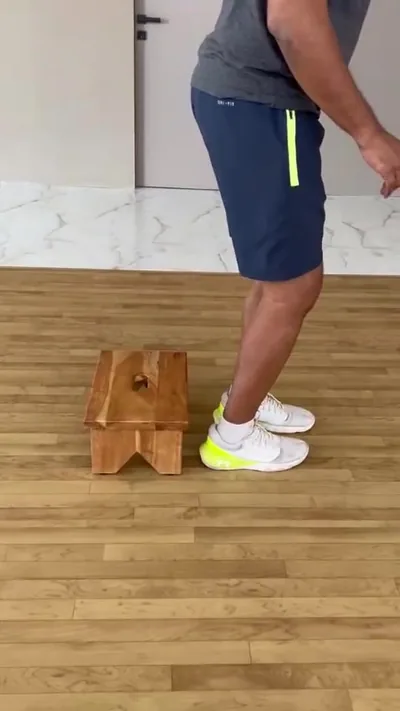

ACL rehab box jumps mark a key step in Phase 3 for athletes. This phase focuses on return-to-sport skills after anterior cruciate ligament surgery. Box jumps build power and agility safely. They help restore knee function for sports injury recovery.
In post ACL surgery rehab, plyometric exercises like box jumps come late. Start only after meeting strength and control milestones. This guide covers heights, reps and safe progression. Always work with a physiotherapist for ACL knee rehab in Jaipur.
Trivayu Physio Center in Vaishali Nagar offers post-surgery rehab. Our team supports advanced ACL rehab with tailored plans.
ACL rehabilitation phases build step by step. Phase 1 protects the graft right after surgery. You focus on reducing swelling, regaining full knee bend and straightening, and starting gentle muscle activation. Walk with crutches and a brace at first. A physiotherapist guides weight-bearing as pain allows.
Phase 2 regains strength and balance, often from 4-12 weeks post-op. Exercises include closed-chain squats, leg presses, and balance board work. Hamstring curls and calf raises build muscle support around the knee. Single-leg stands progress to controlled walks. The goal is symmetric strength between legs without limp.
Phase 3 prepares for sport with high-demand moves, typically from 3-6 months. Goals include power output, agility and shock absorption. Athletes train explosive actions like jumping and cutting. This aids sports injury recovery. Looking for a Physiotherapy Near Me? Our team in Vaishali Nagar, Jaipur can assess you in person.
Pain-free single-leg squats and hops are prerequisites. You need good hamstring strength and knee control. Test landing stability first. A physiotherapist assesses readiness for plyometric training ACL.
Meet these before box jumps for ACL recovery. Phase 4 follows for full return to sport, adding sport-specific drills like agility ladders and ball work.
Box jumps are plyometric exercises knee-focused. They train fast muscle stretch-shortening cycles. This builds power needed for sports.
Benefits include better shock absorption. The operated knee learns to handle landing forces. Agility improves for direction changes. Power output rises for jumps and sprints.
In ACL Phase 3 exercises, box jumps mimic game demands. They reduce re-injury risk by improving neuromuscular control. Combine with strength work for full effect in post-op knee exercises. Plyometrics teach the knee to stiffen quickly on impact, key for sports like football or basketball.
Before box jumps, build with simpler plyometrics. Start with double-leg hops in place. Progress to forward bounds or small squat jumps. These prepare muscles for higher loads. More on Sciatica Treatment and how we assess it.
Single-leg box step-ups come next. Step onto a low box, drive through the heel, then step down. Do 3 sets of 8-10 reps per leg. This builds control without full air time.
Depth drops follow: Step off a 10-15 cm box and land softly in a squat. Absorb with bent knees and hips. Hold for 2 seconds. Advance to rebounding off the ground. These teach eccentric control vital for landings.
In advanced ACL rehab, add hurdle hops. Jump over low hurdles side-to-side. Keep knees aligned. A physiotherapist watches for valgus collapse, where knees cave in.
Proper form prevents strain in ACL rehab box jumps. Start with a low box. Stand feet shoulder-width apart.
Breathe out on jump, in on land. Keep core tight. Eyes forward. Stop if knee pain or instability occurs. Land with hips back, not knees forward past toes. You may also find Return to Running after ACL Surgery useful.
Practice in front of a mirror or with a coach. Video sessions to review knee tracking.
Box jump progression follows pain-free milestones. Begin low. Advance only if landings stay stable. Sessions 2-3 times weekly, with rest days.
Week 1-2: 10-15 cm box, 3 sets of 5-6 reps. Focus on form. Rest 90 seconds between sets.
Week 3-4: 20-25 cm, 3 sets of 6-8 reps. Add if no pain. Introduce drop landings between jumps.
Week 5-6: 30 cm, 3 sets of 8-10 reps. Check single-leg control. Alternate lead leg if asymmetric.
Weeks 7-8: 35 cm, 4 sets of 8 reps. Add directional jumps, like slight side angle.
Later: Up to 40-50 cm for athletes, 4 sets of 10 reps. Space sessions 48 hours apart.
Progress one variable at a time—height or reps. Rest 1-2 minutes between sets. Track knee response daily. If swelling rises, drop back a level.
For sports injury recovery, integrate box jumps into full sessions. Pair with agility drills like T-drills or figure-8 runs. Follow with sport-specific moves, such as volleyball spikes or cricket fielding.
Monitor quad-hamstring ratio. Strong hamstrings protect the ACL during jumps. Add Nordic curls or glute-ham raises twice weekly.
Post-op knee exercises include wall sits for endurance. Hold 45 seconds, 5 reps. Progress to single-leg versions. These build fatigue resistance for late-game efforts.
Monitor for pain or swelling after box jumps for ACL recovery. Mild soreness is normal; sharp pain means stop. Ice for 15 minutes if needed.
Combine with Manual Therapy for joint mobility. Pair with Orthopaedic Rehabilitation strength work. Use Electrotherapy if needed for recovery.
See a physiotherapist for checks. In Jaipur, Trivayu Physio Center has experts like Dr. Jyoti Choudhary for sports rehab. They guide plyometric training ACL safely. Expect weekly assessments: hop tests, strength measures, and landing analysis.
What to expect in sessions: Warm-up on bike or rower for 10 minutes. Dynamic stretches like leg swings. Main set with plyos under supervision. Cool-down with foam rolling and static holds for quads, hamstrings, calves.
Start in Phase 3, around 4-6 months post-surgery. Only after strength and hop tests pass. Get physiotherapist clearance first. Earlier risks graft strain.
Increase every 1-2 weeks if pain-free. Raise height 5-10 cm or add 2 reps per set. Stable landings required. Re-test prerequisites monthly.
Full strength symmetry, no swelling, pain-free squats and hops. Good balance on single leg. Pass a triple hop test for distance.
They build power, agility and landing control. Prepares knee for sport demands, lowers re-injury risk. Improves quadriceps reflex time.
Knees caving in, hard landings, jumping off box, poor arm drive. Rushing progression without checks. Ignoring fatigue signals.
Yes, at lower heights for function. Focus on stair climbing or daily power. Physiotherapist adapts for goals.
Stop and regress to step-ups. Check brace fit if used. Rebuild with balance drills first.
Follow this ACL rehab box jumps guide for safe advanced ACL rehab. Progress steadily under guidance. Book an assessment at Trivayu Physio Center, Vaishali Nagar or Vidyadhar Nagar. WhatsApp or call +91 90570 65065 to start.
Physiotherapy is not the right first step for everything. Seek medical assessment promptly if any of the following apply to you:
If you lose control of your bladder or bowels, develop numbness around the groin, or have chest pain or breathlessness, treat it as an emergency and go to hospital.
Truly thankful to Dr. Jyoti Choudhary and the entire team of Trivayu Physio Centre for their genuine care, humble behaviour, and excellent treatment.
Mahesh Dhaka, Google review
This is one patient's own account, published with consent on our reviews page. It describes their experience, not a predicted outcome. Individual results vary.
Backward walking helps athletes recover from ACL injuries. It builds knee stability in Phase 2 of rehab. This exercise targets quadriceps and improves control after surgery…
Read articleAfter ACL surgery, rebuilding knee strength takes time and care. ACL rehabilitation phases guide this process step by step. Phase 1 protects the graft and cuts…
Read articleAfter hip replacement surgery, dressing your lower body safely helps build independence. By week 6 of hip replacement recovery, many patients aim to dress without help.…
Read articleMessage us on WhatsApp with your main concern and preferred time, and we'll confirm your first visit the same day.