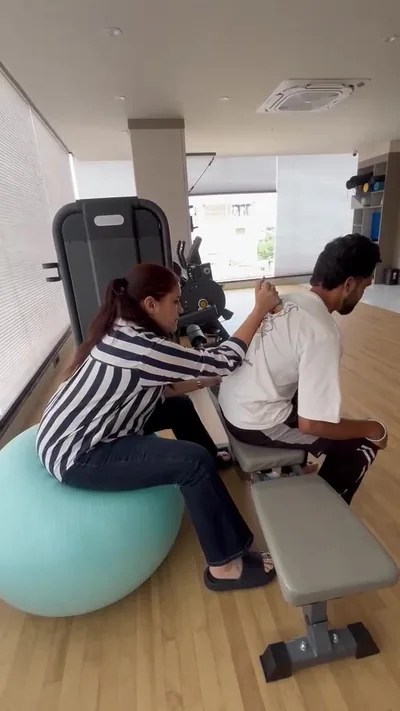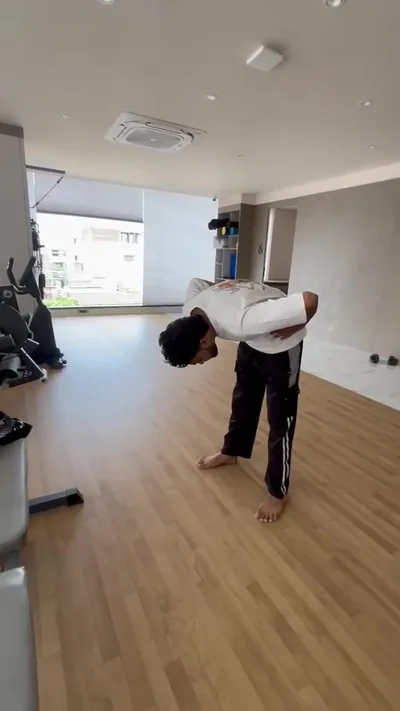
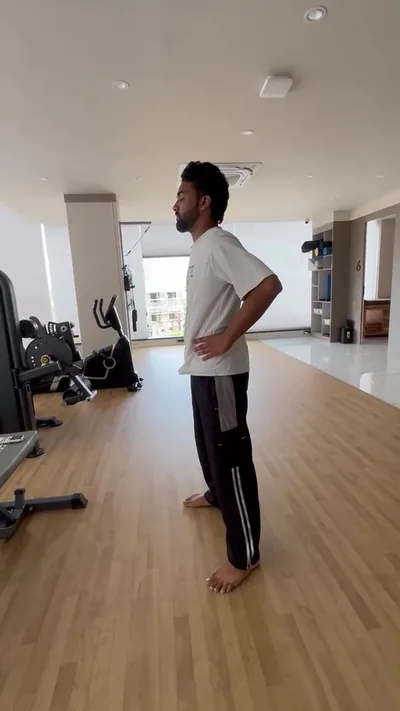
Is Side Bending Safe with L4 L5 Herniated Disc
An L4 L5 herniated disc happens when the disc between your fourth and fifth lumbar vertebrae bulges or ruptures. This presses on nearby nerves, causing pain…
Read article

Frozen shoulder, or adhesive capsulitis, causes stiff and painful shoulder joints. Many in Jaipur seek cupping therapy for frozen shoulder. This method uses suction cups to ease pain and improve movement. It targets shoulder mobility issues common in adhesive capsulitis therapy.
In your first cupping session, expect a gentle process targeting tight tissues. Therapists place cups on the shoulder to draw blood flow and release tension. Patients often notice better mobility right after. Cupping therapy benefits include painless relief for shoulder pain when done right.
Trivayu Physio Center in Jaipur offers cupping therapy for frozen shoulder. Trained staff explain each step. This guide covers what to expect in the first session, how physiotherapists approach it, and practical steps. It details shoulder pain cupping sessions and shoulder mobility cupping techniques.
Frozen shoulder stiffens the shoulder capsule, leading to pain and limited arm movement. Daily tasks like reaching overhead, combing hair, or dressing become hard. Stages include freezing with sharp pain at night, frozen with maximum stiffness, and thawing with gradual improvement.
Cupping places glass or plastic cups on the skin. A pump creates suction, pulling skin and muscles upward to boost blood flow. Suction separates tissue layers, which stick together in adhesive capsulitis. Looking for a Physiotherapy Near Me? Our team in Vaishali Nagar, Jaipur can assess you in person.
For shoulder stiffness, cups go on upper back, neck, and shoulder muscles: trapezius, deltoid, infraspinatus, and supraspinatus. Suction loosens tissues around the joint. At Trivayu, we use Cupping Therapy in sessions tailored to frozen shoulder relief.
Physiotherapists choose cup sizes: smaller (2-3 cm) for rotator cuff tendons near the joint, larger (5-7 cm) for broad muscles like trapezius. They avoid direct joint placement to prevent excess pressure. Placement follows muscle fibre direction for best shoulder mobility cupping effect.
Cupping lifts fascia and muscles. In frozen shoulder, thick fascia restricts motion. Suction breaks adhesions without force.
Blood flow brings oxygen and nutrients, reducing inflammation and pain. It drains fluid from swollen tissues around the rotator cuff.
Cupping releases trigger points in muscles that pull the shoulder tight. Physiotherapists use static cupping (cups stay fixed for deep hold) or sliding cupping (cups glide over oiled skin for broad coverage).
It pairs with Manual Therapy to mobilise the joint. For frozen shoulder relief, cupping softens tissues first, making joint glides easier. Benefits include:
A physiotherapist assesses your stage before applying cups. In freezing stage, they use light suction. In frozen stage, stronger holds target deep stiffness.
The session starts with a check-up. Therapist asks about pain level (0-10 scale), when it worsens (night, overhead reach), movement limits (cannot lift arm past 90 degrees), and history like diabetes, thyroid issues, or past injuries. More on Frozen Shoulder Treatment and how we assess it.
They test shoulder range: active movements like arm circles, wall slides, and towel stretches; then passive, where they gently move your arm. They check scapula position and neck mobility, as tight neck adds to shoulder pain.
You lie face down on a table or sit upright. Skin gets cleaned with alcohol wipes. Oil applies for sliding if needed, using neutral oil like almond or coconut.
This shoulder pain cupping session feels painless for most, as suction adjusts to tolerance. Therapists watch for skin colour changes to keep it safe.
Trivayu serves Vaishali Nagar and Vidyadhar Nagar. Location: 204, 2nd Floor, Om Tower, Gandhi Path Road, Nemi Nagar, Vaishali Nagar.
Dr. Jyoti Choudhary (17+ years in orthopaedics) leads. Team: Dr. Hritika Choudhary for rehab, Dr. Ishu Sharma for exercise therapy. They tailor cupping to each stage of adhesive capsulitis therapy. You may also find First Cupping Session Frozen Shoulder Adhesions useful.
We combine with Class IV High Power Laser Therapy for deeper penetration. Book an assessment. Hours: Mon-Sat 8 am-8 pm, Sun 10 am-1 pm.
Cupping aids relief, but mix with Orthopaedic Physiotherapy for joints. Electrotherapy reduces rotator cuff pain and swelling.
Plan: cupping to loosen tissues, Manual Therapy for glides and mobilisations, Exercise Therapy for strength and control. Posture checks prevent scapula winging that worsens stiffness.
Steps: week one—cupping plus pendulum swings (let arm hang and circle gently 10 times each way). Week two—add wall walks (fingers climb wall to lift arm). Later: resistance bands for external rotation (pull band outward 10 reps). Recovery varies by stage and consistency.
Program includes:
Do home exercises: 10 shoulder rolls clockwise and anticlockwise twice daily; doorway stretch (arms at 90 degrees, lean forward 20 seconds, 5 times). Stop if pain over 4/10. Breathe deeply during stretches. Get in-person assessment first—self-treatment risks strain.
Suction cups on shoulder lift tissues, improve blood flow, ease stiffness. Targets trapezius, deltoids, and rotator cuff for adhesive capsulitis therapy.
Pain and range assessment, targeted cup placement on tight spots, 10-20 minutes suction, post-session mobility checks, home care advice.
No, feels like firm pull or warmth, fully adjustable. No needles or cuts—painless cupping for shoulder suits most.
Loosens fascia adhesions, boosts circulation to rotator cuff, allows freer abduction and rotation. Pairs with targeted stretches for lasting shoulder mobility cupping gains.
Yes, clinics like Trivayu offer it as part of frozen shoulder relief. Assess stage and contraindications first.
Varies by person and stage. Some notice ease after one; others need 2-3 per week initially. Physiotherapist guides based on progress.
Those with open skin breaks, blood thinners, acute swelling, pregnancy, or heart conditions—therapist screens during assessment.
Apply warm cloth 15 minutes twice daily, do gentle pendulums (10 circles each direction), avoid overhead strain or crossing arms. Note daily range of motion.
They palpate tender trigger points in trapezius, levator scapulae, and infraspinatus, placing cups along muscle bellies for best frozen shoulder relief.
Yes, temporary red or purple circles from suction, like bruises. They fade in days and indicate effective tissue work.
Contact Trivayu Physio Center. Call +91 90570 65065 or WhatsApp. Home visits and online consultations available. Book a professional assessment for personalised adhesive capsulitis therapy.
Physiotherapy is not the right first step for everything. Seek medical assessment promptly if any of the following apply to you:
If you lose control of your bladder or bowels, develop numbness around the groin, or have chest pain or breathlessness, treat it as an emergency and go to hospital.
Truly thankful to Dr. Jyoti Choudhary and the entire team of Trivayu Physio Centre for their genuine care, humble behaviour, and excellent treatment.
Mahesh Dhaka, Google review
This is one patient's own account, published with consent on our reviews page. It describes their experience, not a predicted outcome. Individual results vary.
An L4 L5 herniated disc happens when the disc between your fourth and fifth lumbar vertebrae bulges or ruptures. This presses on nearby nerves, causing pain…
Read articleShopkeepers in Jaipur often stand for long hours behind counters. This prolonged standing can trigger sciatica pain. Sciatica happens when the sciatic nerve gets irritated, often…
Read articleHerniated disc night pain disrupts sleep for many. The disc bulge presses on nerves, causing sharp back pain or sciatica that flares up at night. Simple…
Read articleMessage us on WhatsApp with your main concern and preferred time, and we'll confirm your first visit the same day.