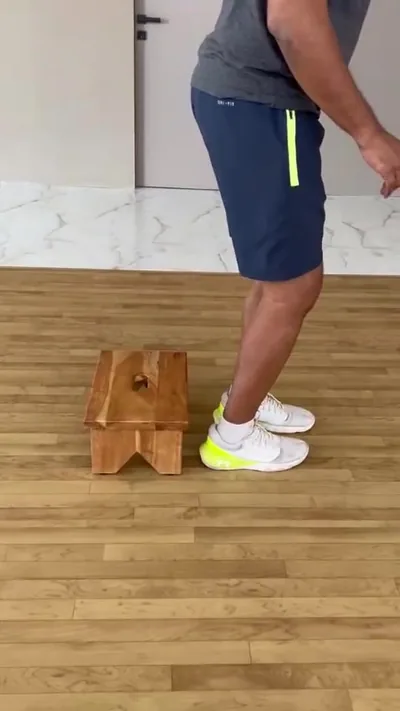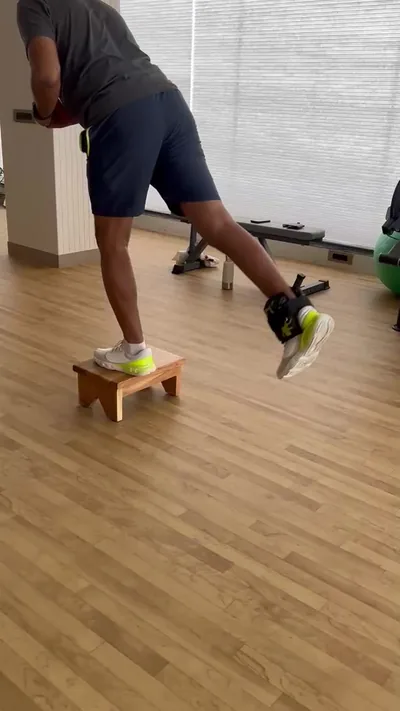
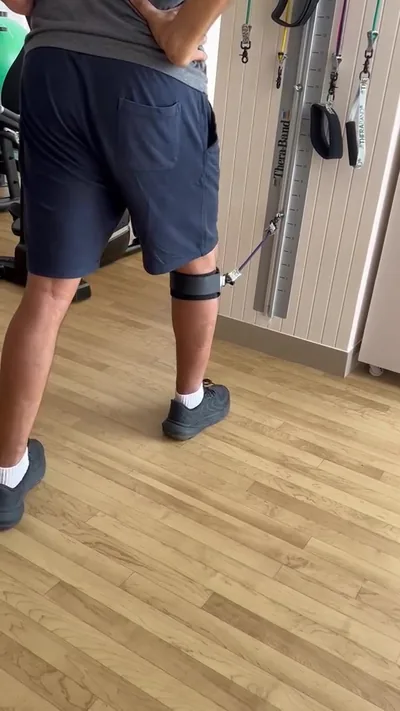
Backward Walking in ACL Rehab Phase 2
Backward walking helps athletes recover from ACL injuries. It builds knee stability in Phase 2 of rehab. This exercise targets quadriceps and improves control after surgery…
Read article

The short answer
By weeks 5 to 8 after total hip replacement, most patients can handle more activity at home as bone healing continues and soft tissues gain strength. This phase focuses on progressive strengthening, hip stability and daily function. Safe home exercises like seated hip marches, mini-squats and balance work help regain steadiness for tasks such as climbing stairs or dressing.
By weeks 5 to 8 after total hip replacement most patients can handle more activity at home. Bone healing continues while soft tissues gain strength. This phase focuses on progressive strengthening, hip stability and daily function.
These safe exercises after total hip replacement help you regain steadiness for tasks such as climbing stairs or dressing. Every recovery differs.
Our team supports post-joint replacement rehab with careful guidance. The exercises below form part of a home routine only. They support but do not replace professional care.
During weeks 5 to 8 the surgical incision has usually closed and initial swelling has reduced. Bone bonds with the new joint while muscles and ligaments regain flexibility. Gradual loading lets the hip bear normal body weight without strain.
This phase emphasises balance and daily activities. Patients often notice better walking confidence. Factors such as age, previous fitness and other health conditions change the pace. Looking for a Physiotherapist Near Me? Our team in Vaishali Nagar, Jaipur can assess you in person.
Follow posterior hip precautions. Avoid crossing your legs, twisting the hip inward or bending past 90 degrees at the hip unless your surgeon has cleared you. Stop if you feel sharp pain, increased swelling, numbness or instability.
Warm up with five minutes of gentle walking. Keep shoulders relaxed and spine neutral. Breathe out during effort. These home exercises after hip surgery support your recovery but do not replace professional post-surgery rehab.
These movements maintain joint lubrication and prepare tissues for balance work. Perform them slowly.
These prepare the hip for weight bearing exercises. In clinic our physiotherapists may add manual therapy or clinical Pilates to improve mobility.
Progressive strengthening builds support around the new joint. Focus on smooth movement and proper breathing. Start with support and reduce it as confidence grows.
These moves follow orthopaedic physiotherapy principles. Our team at Trivayu uses similar methods to support joint replacement rehab.
Balance exercises after hip replacement reduce fall risk and translate to real activities. Begin with support and progress only when steady.
Similar balance training forms part of sports and geriatric physiotherapy at our centre. These exercises promote fall prevention and make daily tasks easier.
A realistic routine combines mobility, strengthening and balance. Aim for 4 or 5 days per week with rest days in between. Each session lasts 20-30 minutes.
Days 1, 3, 5: Begin with 5 minutes walking warm-up. Perform all mobility exercises. Move to strengthening exercises for 2 sets of 8-10 repetitions. Finish with 2 or 3 balance exercises holding support as needed. Read more about our Post-Surgery & Joint Replacement Rehab.
Days 2, 4: Focus on mobility and balance only. Add walking drills for 10 minutes at comfortable pace.
Progression tips: When movements feel easy increase hold times by 2-3 seconds or add 2 more repetitions. Never push into pain. This sample is general guidance only.
You can safely perform seated hip marches, mini-squats, weight shifts and supported single-leg stands. These promote mobility, strength and balance. Always get an assessment first.
Yes, when started with support and progressed gradually. They improve hip stability and fall prevention. Begin with chair support and only advance when steady. Professional guidance reduces risk. You may also find Exercises After Knee Replacement in First 4 Weeks useful.
Combine progressive strengthening with functional movements such as chair rises and step-ups. These build confidence for tasks like dressing and stair climbing. Consistent home exercises after hip surgery help when guided correctly.
Most patients begin light strengthening from week 5 if cleared by their surgeon. Focus on controlled movements. An assessment helps ensure the right time and intensity for your hip.
Continue posterior hip precautions. Avoid deep bending, crossing legs or twisting. Stop if pain increases. Warm up, maintain posture and consult a physiotherapist if unsure.
Recovery after hip replacement takes time and patience. These exercises after hip replacement weeks 5-8 offer a safe way to build strength, balance and confidence at home. For best results book an assessment at Trivayu Physio Center. Our experienced team can create a personalised post hip replacement physiotherapy exercises plan suited to you. Call us or message on WhatsApp to arrange your visit in Vaishali Nagar or Vidyadhar Nagar.
Physiotherapy is not the right first step for everything. Seek medical assessment promptly if any of the following apply to you:
If you lose control of your bladder or bowels, develop numbness around the groin, or have chest pain or breathlessness, treat it as an emergency and go to hospital.
Backward walking helps athletes recover from ACL injuries. It builds knee stability in Phase 2 of rehab. This exercise targets quadriceps and improves control after surgery…
Read articleAfter ACL surgery, rebuilding knee strength takes time and care. ACL rehabilitation phases guide this process step by step. Phase 1 protects the graft and cuts…
Read articleAfter hip replacement surgery, dressing your lower body safely helps build independence. By week 6 of hip replacement recovery, many patients aim to dress without help.…
Read articleMessage us on WhatsApp with your main concern and preferred time, and we'll confirm your first visit the same day.