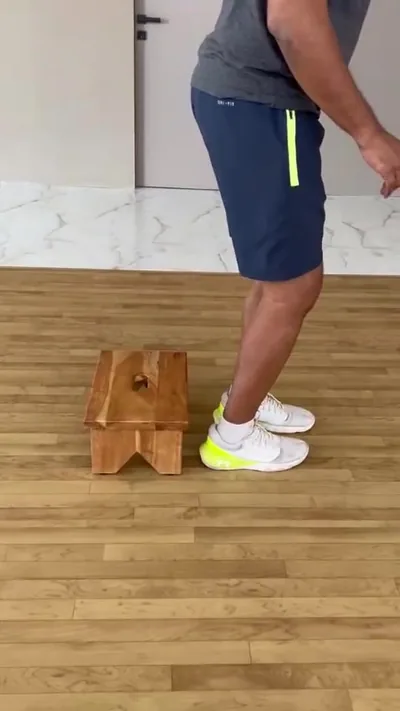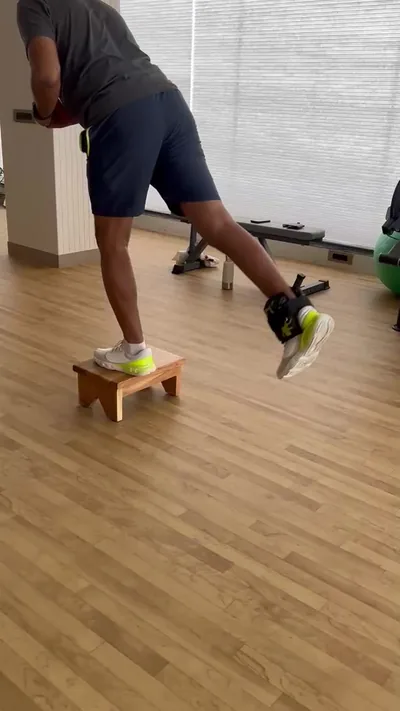
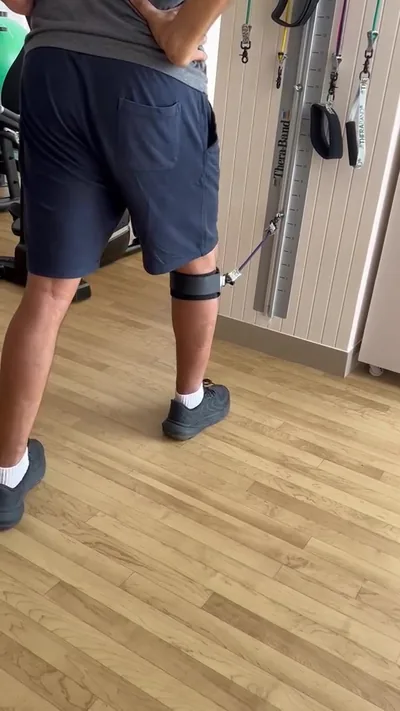
Backward Walking in ACL Rehab Phase 2
Backward walking helps athletes recover from ACL injuries. It builds knee stability in Phase 2 of rehab. This exercise targets quadriceps and improves control after surgery…
Read article

The short answer
In the first 4 weeks after knee replacement, focus on gentle bed-based exercises like ankle pumps, quad sets, glute squeezes, and heel slides. These promote blood flow, reduce swelling, and prevent stiffness without weight on the joint. Consult your physiotherapist before starting.
After total knee arthroplasty, gentle movement in the first few weeks helps reduce stiffness and supports basic function. Starting the right exercises after knee replacement at home can aid pain management after TKR and help reduce excessive swelling.
These early recovery exercises after knee surgery focus on simple actions you can do in bed or while seated. They target the quadriceps, improve blood flow, and gently restore knee bending. Recovery varies from person to person.
Gentle activity soon after surgery helps keep the joint from becoming too stiff. It supports blood circulation, which can limit swelling around the knee.
In the first four to six weeks, the focus is on preventing stiffness after knee replacement. Small, regular movements encourage the new joint to move smoothly.
Check with your surgical team before starting any exercises after knee replacement. Stop immediately if you notice increased pain, redness, warmth, or swelling that does not settle with rest and ice.
A physiotherapist can show you the correct form and adjust the exercises to your stage of healing.
In the first two weeks, most post knee replacement physiotherapy exercises are done lying down. These movements promote blood flow and gentle muscle activation without placing weight on the new joint.
Lie on your back with legs straight. Point your toes away from you, then pull them back towards your shin. Repeat 10–15 times. This helps reduce swelling and keeps the calf muscles active.
While lying down, tighten the muscle on the front of your thigh. Push the back of your knee gently into the bed and hold for 5–10 seconds. Relax and repeat 8–10 times.
Squeeze your buttock muscles together and hold for 5 seconds. Relax and repeat 10 times. This supports the hip and improves stability without moving the knee.
Lie on your back. Slowly slide the heel of the operated leg towards your body, bending the knee as far as comfortable. Slide back to straight. Do 5–8 gentle repetitions.
From week three onwards, you can add seated and light standing movements if your physiotherapist agrees. These build on the earlier exercises and help with seated knee flexion and balance.
Sit on a sturdy chair with both feet on the floor. Slowly slide the foot of the operated leg back, bending the knee. Return to the start position. Perform 8–10 times. Keep the movement smooth and pain-free.
Lie on your back or sit with the leg straight. Tighten the thigh muscle and lift the straight leg a few inches off the bed or floor. Hold for 3–5 seconds, then lower slowly. Repeat 5–8 times.
Stand in front of a stable chair or walker. Hold on for balance. Bend both knees slightly, as if sitting down a few inches. Keep the movement small. Straighten and repeat 5–8 times.
Walk slowly around your home using a walker or stick if needed. Aim for short distances several times a day. Good posture and even steps help maintain balance and help reduce stiffness after knee replacement.
Increase repetitions gradually, perhaps adding two or three extra each week only if the knee feels comfortable. Combine exercises with deep breathing to stay relaxed.
A physiotherapist can review your technique during home physio after joint replacement or at the clinic. They may suggest small changes based on how your knee is healing. Progress is individual.
Contact your doctor or physiotherapist if you have sudden increase in pain, redness that spreads, fever, or if the knee locks and will not bend at all.
At Trivayu Physio Center in Vaishali Nagar and Vidyadhar Nagar, the team offers post-surgery and joint replacement rehab. They use manual therapy, exercise therapy and advanced electrotherapy when appropriate.
Ankle pumps, quad sets, glute squeezes and gentle heel slides while lying in bed are usually the safest. They require no weight on the joint and help circulation and muscle activation.
Most patients do short sessions three to four times a day. Five to ten repetitions of each exercise per session is a common starting point. Your physiotherapist will adjust the frequency to suit your comfort and healing.
Many surgeons allow gentle bending within the first few days once the wound is stable. The exact time depends on your surgical technique and swelling.
Avoid deep squats, twisting movements, high steps, or any action that causes sharp pain. Do not force the knee into full bend or use weights until your physiotherapist clears you.
Perform ankle pumps regularly, elevate the leg after each session, and apply ice for 10–15 minutes. Keep movement gentle and avoid long periods of standing in the first four weeks.
Early movement and the right exercises after knee replacement support a smoother recovery. Listen to your body, stay within comfortable limits, and work with a physiotherapist for best results. Book an assessment at Trivayu Physio Center by calling +91 90570 65065 or send a message on WhatsApp. Our team can guide your home programme or provide hands-on care at the clinic or at your home in Jaipur.
Physiotherapy is not the right first step for everything. Seek medical assessment promptly if any of the following apply to you:
If you lose control of your bladder or bowels, develop numbness around the groin, or have chest pain or breathlessness, treat it as an emergency and go to hospital.
Backward walking helps athletes recover from ACL injuries. It builds knee stability in Phase 2 of rehab. This exercise targets quadriceps and improves control after surgery…
Read articleAfter ACL surgery, rebuilding knee strength takes time and care. ACL rehabilitation phases guide this process step by step. Phase 1 protects the graft and cuts…
Read articleAfter hip replacement surgery, dressing your lower body safely helps build independence. By week 6 of hip replacement recovery, many patients aim to dress without help.…
Read articleMessage us on WhatsApp with your main concern and preferred time, and we'll confirm your first visit the same day.