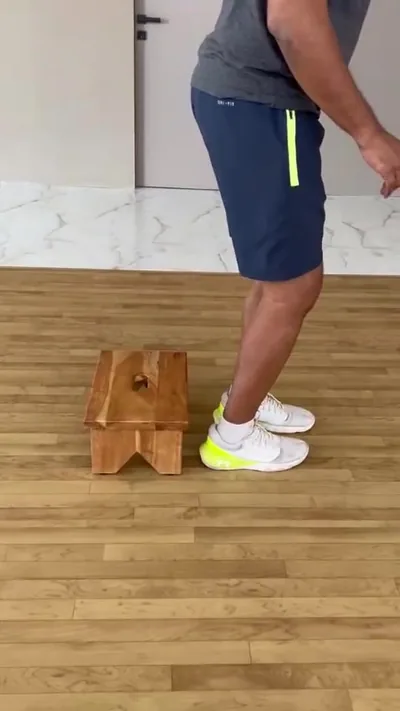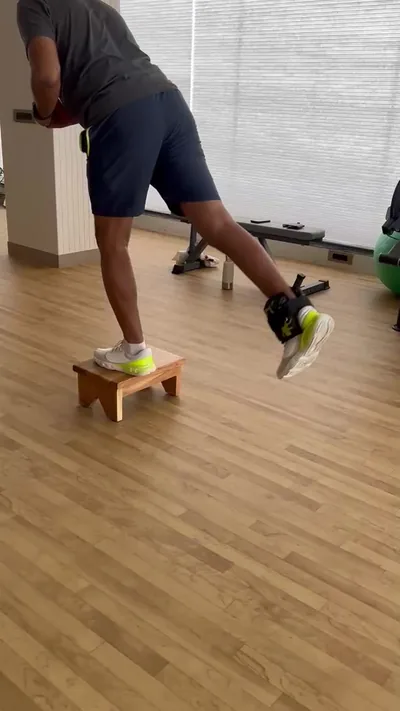
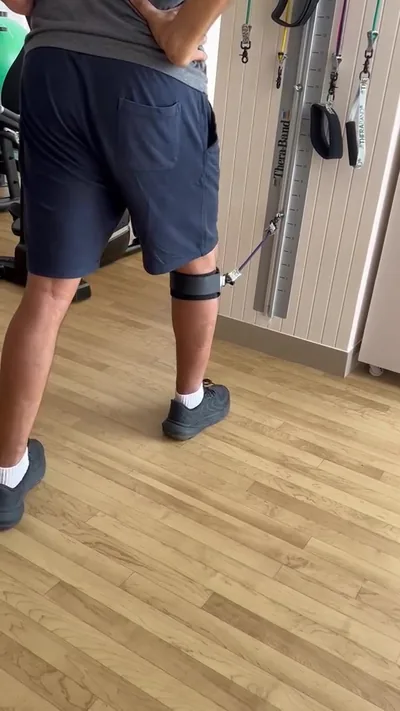
Backward Walking in ACL Rehab Phase 2
Backward walking helps athletes recover from ACL injuries. It builds knee stability in Phase 2 of rehab. This exercise targets quadriceps and improves control after surgery…
Read article

Sciatica causes pain from the lower back down the leg. It comes from pressure on the sciatic nerve. One serious sign is foot drop. This happens when you struggle to lift the front of your foot. Early signs show nerve progression.
Foot drop from sciatica links to nerve damage. These signs start subtle but worsen. Tingling or weakness in the leg can trouble walking. In Jaipur, many face this from slip disc or spondylosis. Acting early matters.
This guide covers sciatica symptoms progression. It explains when to see physio. Learn to spot urgent symptoms and steps to take.
Sciatica starts with pain along the sciatic nerve path. This nerve runs from the lower back through the buttock and down each leg. Pressure from a slipped disc or tight muscles irritates it. Over time, this leads to nerve progression.
Foot drop means weakness in the muscles that lift your foot. Causes include nerve compression. Early signs include tingling in the calf or foot. You may feel pins and needles when sitting long.
Sciatica leg weakness follows. The front of your shin tires on stairs. Pain might shoot from the back to the toes. Manual Therapy can ease this pressure. A physiotherapist uses hands-on methods to loosen tight muscles around the nerve.
To check yourself, sit with legs straight out. Try lifting your toes towards your shin. If one foot resists or trembles, note it. Repeat standing on heels to test shin strength. These tests reveal early weakness.
Sciatica symptoms progress in stages. It begins with low back ache that sharpens into burning pain down one leg. This follows the sciatic nerve path: back of thigh, side of calf, to the foot.
Next comes sensory changes. Tingling starts in the foot or calf, like electric shocks. Numbness appears on the top of the foot or outer toes. Pain worsens with coughing, sneezing or bending forward. Looking for a Rehabilitation Centre Near Me? Our team in Vaishali Nagar, Jaipur can assess you in person.
Motor changes signal worsening. Leg weakness creeps in. You feel unsteady. Walking distance shortens before fatigue. Then foot drop emerges: the ankle dorsiflexors weaken, making the foot hang down.
Full progression brings gait changes. Your knee lifts higher to clear the foot, or it slaps the ground. Balance falters on uneven surfaces.
Track progression daily. Note pain level from 1-10, walking distance before tiredness, and new numbness spots.
Subtle signs build slowly. Numbness starts in the outer calf. Pain radiates down the leg, worse at night. Muscle fatigue hits after short walks. Your foot feels heavy.
Progression brings foot drop indicators. You notice a slapping gait. Difficulty lifting the foot makes stairs hard. Trips become common.
Nerve damage signs include loss of reflexes. The ankle jerk test shows less kick on the affected side. Skin feels cooler in numb areas. Toes curl less.
Sciatica leg weakness shows in tests. Try heel walking: hold for 10 steps. If you wobble or drop the foot, weakness exists.
Act on these changes. Track if symptoms spread. Urgent symptoms like constant weakness demand quick steps.
Foot drop in sciatica stems from L4-L5 or L5-S1 nerve root compression. A slipped disc presses these roots where the sciatic nerve forms. Tight piriformis muscle can trap the nerve too.
Constant pressure disrupts signals to the tibialis anterior muscle. This muscle lifts the foot. Weeks of compression cause muscle atrophy. Nerve fibres inflame and scar.
Other foot drop causes mimic sciatica, like peroneal nerve injury at the knee. But sciatica ties to back pain and full leg symptoms. Physiotherapists differentiate by testing nerve paths. More on Sciatica Treatment and how we assess it.
Delayed response risks permanent nerve damage. You could lose foot control long-term.
See a physio or doctor when weakness spreads. Mild progression means occasional tingling. Severe shows clear foot drop. If you cannot lift your foot, seek help same day.
Mild sciatica leg weakness might improve with rest. But foot drop points to deeper nerve involvement. Early check stops worsening.
A physiotherapist starts with history: when pain began, what worsens it, leg strength changes. They watch your walk for foot drop signs. Strength tests grade muscle power from 0-5. Sensation checked with light touch.
For confirmed nerve issues, they build a plan. Reduce pressure: teach neutral spine positions for sitting and standing. Posture cues prevent slouching.
Strength work targets weak muscles. Seated toe lifts with resistance band build dorsiflexors. Heel walks practise control. Orthopaedic Rehabilitation guides this, focusing on spine stability and leg function.
Electrotherapy like TENS eases pain signals. Ultrasound warms tissues to boost blood flow around the nerve. These pair with home exercises.
At Trivayu Physio Center, we start with in-person assessment. A physiotherapist checks your gait, strength and nerve function. They test reflexes and review your history.
For spine issues, Robotic Spinal Decompression Therapy relieves nerve pressure. It stretches the spine to reduce disc bulge. The team handles sciatica treatment in Vaishali Nagar.
Dr. Jyoti Choudhary leads with 17+ years in orthopaedics. She serves the Rajasthan Senior Women’s Cricket Team. Dr. Hritika Choudhary excels in post-op rehab. Visit us at Vaishali Nagar or Vidyadhar Nagar.
Expect 45-minute sessions. First visit includes full exam and home plan. Follow-ups track progress. Home visits cover Vaishali Nagar if travel hurts.
Do self-checks first. Stand and lift each foot. Note if one side lags. Walk and watch for foot slap. Avoid heavy lifting or long sitting. You may also find Toe Lifts for Sciatica Foot Drop useful.
Safe home actions include gentle stretches. Lie on back and pull knee to chest. Hold 20 seconds per side, 3 times daily. Use ice on painful spots for 15 minutes, wrapped in cloth.
Strengthen core lightly. Bridge pose: lie back, lift hips holding 5 seconds, 10 repeats. Walk short distances on flat ground, focusing on foot lift.
Avoid forward bends, heavy bags on affected side, soft chairs.
These do not replace medical advice. Book now for proper care. We offer home visits and online consultation.
Early signs include tingling in the foot or calf. Numbness follows, then muscle weakness. Pain radiates down the leg. Watch for foot heaviness during walks. Test by lifting toes repeatedly.
Sciatica presses the sciatic nerve roots. Constant pressure weakens foot-lifting muscles. Over weeks, this causes foot drop. Slip disc often starts it. Piriformis tightness adds to it.
It is urgent if you cannot lift your foot. Slapping gait or frequent trips signal quick check. Sudden worsening calls for same-day help. Add bladder issues for emergency.
Yes, physio in Jaipur like at Trivayu aids recovery. Assessment guides treatment. Techniques ease nerve pressure and build strength. Progress depends on how early you start.
Ignoring leads to lasting weakness. Nerve damage may not reverse. Walking stays hard, risking falls. Muscles shrink, balance worsens.
Progression varies. Tingling may last days before weakness. Foot drop builds over 2-6 weeks if pressure stays. Daily checks spot it soon.
Spotting early signs of foot drop stops nerve progression. Quick action protects mobility. Recovery varies by person and timing. A proper in-person assessment rules out other causes.
Book an assessment at Trivayu Physio Center today. WhatsApp or call +91 90570 65065.
Physiotherapy is not the right first step for everything. Seek medical assessment promptly if any of the following apply to you:
If you lose control of your bladder or bowels, develop numbness around the groin, or have chest pain or breathlessness, treat it as an emergency and go to hospital.
Truly thankful to Dr. Jyoti Choudhary and the entire team of Trivayu Physio Centre for their genuine care, humble behaviour, and excellent treatment.
Mahesh Dhaka, Google review
This is one patient's own account, published with consent on our reviews page. It describes their experience, not a predicted outcome. Individual results vary.
Backward walking helps athletes recover from ACL injuries. It builds knee stability in Phase 2 of rehab. This exercise targets quadriceps and improves control after surgery…
Read articleAfter ACL surgery, rebuilding knee strength takes time and care. ACL rehabilitation phases guide this process step by step. Phase 1 protects the graft and cuts…
Read articleAfter hip replacement surgery, dressing your lower body safely helps build independence. By week 6 of hip replacement recovery, many patients aim to dress without help.…
Read articleMessage us on WhatsApp with your main concern and preferred time, and we'll confirm your first visit the same day.