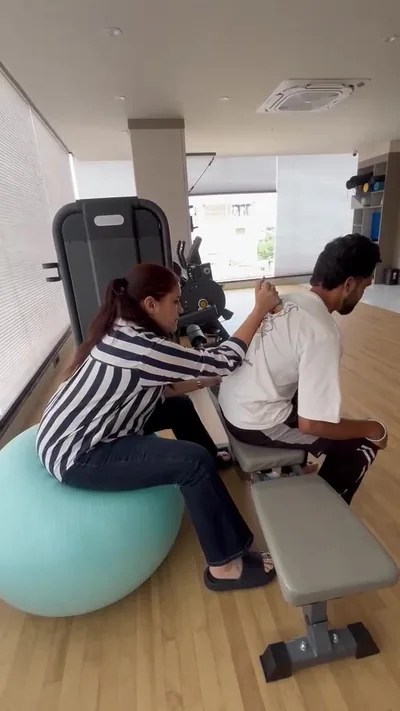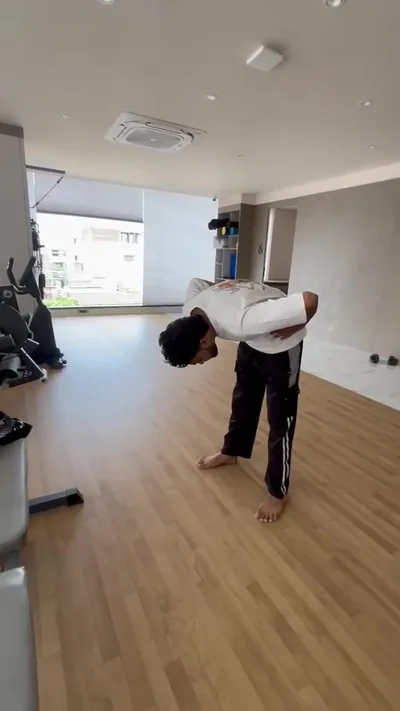
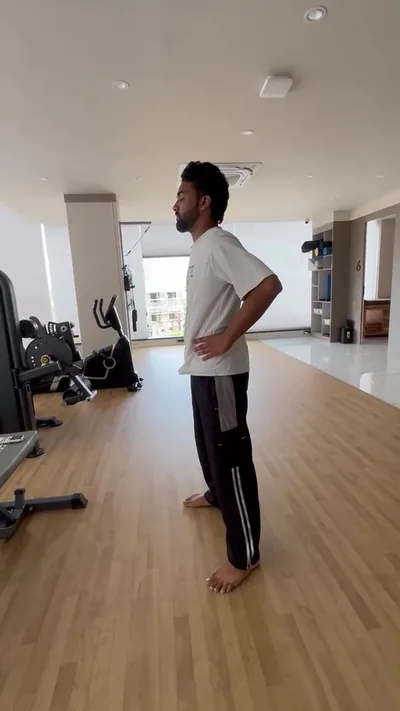
Is Side Bending Safe with L4 L5 Herniated Disc
An L4 L5 herniated disc happens when the disc between your fourth and fifth lumbar vertebrae bulges or ruptures. This presses on nearby nerves, causing pain…
Read article

Tennis elbow causes pain on the outer elbow and forearm. It comes from repetitive gripping in manual work. Grip pain makes lifting or holding tools hard. Cupping therapy eases forearm muscle tension.
Cupping uses suction cups on the skin. For tennis elbow, it targets the forearm to boost blood flow and release tight muscles. At Trivayu Physio Center in Vaishali Nagar or Vidyadhar Nagar, Jaipur, our team uses cupping as part of lateral epicondylitis treatment.
If you face tennis elbow grip pain from daily work, a first session can start relief. This guide covers cupping expectations for your initial visit. It includes physiotherapist approach to forearm muscle tension, grip pain relief, dry cupping for elbow, sports injury cupping, manual worker elbow pain, and first physio session cupping.
Tennis elbow, or lateral epicondylitis, is overuse pain at the elbow’s outer bump. It spreads to the forearm from strained tendons. Manual workers get it from tools or repeated twists. Sports players get it from racquets or bats.
Cupping places glass or plastic cups on the skin. A pump or flame creates suction. This pulls skin and tissue into the cup. For tennis elbow, cups go on the forearm and elbow along extensor muscles from elbow to wrist. These tighten from gripping, causing forearm muscle tension. Looking for a Physiotherapist Near Me? Our team in Vaishali Nagar, Jaipur can assess you in person.
Suction lifts tension and breaks adhesions. Dry cupping for elbow uses suction alone. Physios choose cup sizes for tight bands: smaller for forearm knots, larger for elbow areas.
For sports injury cupping, physios target areas stressed by swings. They check your sport grip to guide placement.
Cupping improves blood flow to the forearm. It brings oxygen and nutrients, clears waste, and eases inflammation around tendons.
Suction stretches fascia and muscles. Fascia is the sheath around muscles. Tight fascia worsens grip pain. Cupping loosens it.
For sports injury cupping or manual worker elbow pain, benefits build with sessions. It fits into broader rehab. Manual workers benefit from eased pain with tools. Sports players regain swing power.
A physiotherapist tests your grip with a dynamometer or finger squeeze. This finds weak forearm extensors. They press the outer elbow and forearm to map tender bands.
For lateral epicondylitis treatment, they use dry cupping if skin is intact. Cups go over the common extensor origin. They slide cups along muscle fibres or leave static 5-10 minutes on hotspots. More on Tennis Elbow Treatment and how we assess it.
Physios teach you to spot trigger points: press forearm 5 cm below elbow—if painful, target it. For manual worker elbow pain, they note tools and adjust suction. For sports injury cupping, they mimic your grip motion.
The first session starts with assessment. A physiotherapist like Dr. Jyoti Choudhary or Dr. Hritika Choudhary checks elbow, forearm, pain spots, and grip. They ask about work or sports gripping.
They clean skin with alcohol wipes. Cups go on forearm extensors and elbow. Suction builds slowly. You feel pulling or warmth. They adjust for comfort. Session lasts 20-30 minutes. Wear loose sleeves. Avoid lotions. Drink water before.
Our team explains each step and notes baseline pain on 0-10 scale.
Forearm feels looser. Some notice less grip pain that day. Red or purple marks appear and fade in 3-10 days. Mild soreness may last 1-2 days. Rest arm. Ice 10 minutes if needed. You may also find Cupping Therapy First Time for Tennis Elbow Forearm Ache useful.
Manual workers ease back to light tools. Sports players skip drills 48 hours.
During cupping, physios add gentle stretches: extend wrist with light resistance. After, teach self-massage: roll forearm outward with knuckles 2 minutes twice daily. Add eccentric wrist extensions with light weight, palm down.
Dry cupping for elbow softens tissues for stretches. Manual workers use it before shifts.
Cupping works with Manual Therapy to release forearm muscles. Orthopaedic Rehabilitation builds strength. Electrotherapy cuts pain. Our team tailors plans. Dr. Jyoti Choudhary handles sports rehab. Dr. Ishu Sharma does exercise therapy.
For manual worker elbow pain, plans include work simulations. Sports injury cupping pairs with return-to-play drills. Book in-person assessment first to rule out other issues.
Visit Trivayu Physio Center at 204, 2nd Floor, Om Tower, Gandhi Path Road, Nemi Nagar, Vaishali Nagar, Jaipur, or Rangoli Gardens, Vidyadhar Nagar. Call +91 90570 65065 or WhatsApp via link.
Get a personal plan after assessment. Hours: Mon-Sat 8 am-8 pm, Sun 10 am-1 pm.
Suction cups on forearm and elbow lift tissues, improve flow, ease muscle tension from lateral epicondylitis.
Assessment, skin prep, cup placement 20-30 minutes. Pulling feel, clear explanations.
Not usually. Strong but adjustable suction. No sharp pain.
Some feel looser right away. Grip relief builds over sessions.
Yes, targets repetitive strain for grip pain relief and work return.
Hydrate, rest arm 24 hours, ice if sore, avoid heavy lifts.
Yes, releases forearm tension from sports grips.
Suction loosens for improved grip test at end.
Cupping starts relief for tennis elbow grip pain. Pair with assessment. Book at Trivayu Physio Center via WhatsApp or +91 90570 65065.
Physiotherapy is not the right first step for everything. Seek medical assessment promptly if any of the following apply to you:
If you lose control of your bladder or bowels, develop numbness around the groin, or have chest pain or breathlessness, treat it as an emergency and go to hospital.
Truly thankful to Dr. Jyoti Choudhary and the entire team of Trivayu Physio Centre for their genuine care, humble behaviour, and excellent treatment.
Mahesh Dhaka, Google review
This is one patient's own account, published with consent on our reviews page. It describes their experience, not a predicted outcome. Individual results vary.
An L4 L5 herniated disc happens when the disc between your fourth and fifth lumbar vertebrae bulges or ruptures. This presses on nearby nerves, causing pain…
Read articleShopkeepers in Jaipur often stand for long hours behind counters. This prolonged standing can trigger sciatica pain. Sciatica happens when the sciatic nerve gets irritated, often…
Read articleHerniated disc night pain disrupts sleep for many. The disc bulge presses on nerves, causing sharp back pain or sciatica that flares up at night. Simple…
Read articleMessage us on WhatsApp with your main concern and preferred time, and we'll confirm your first visit the same day.