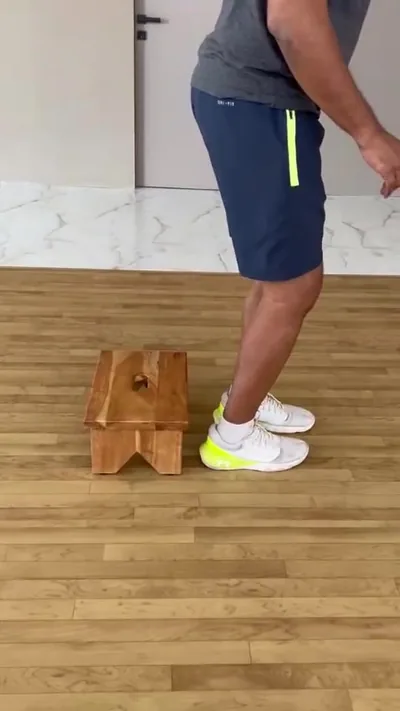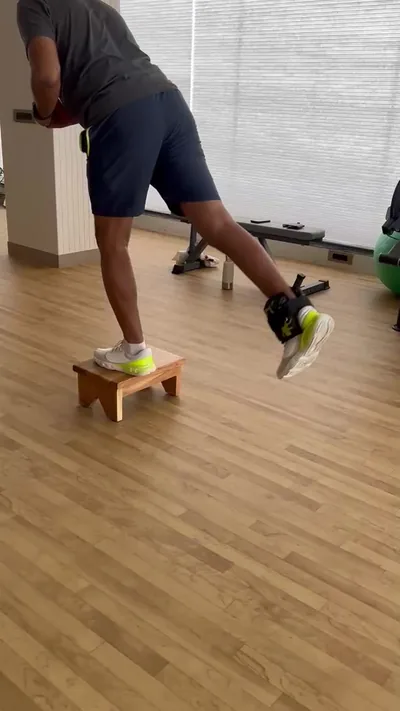
Backward Walking in ACL Rehab Phase 2
Backward walking helps athletes recover from ACL injuries. It builds knee stability in Phase 2 of rehab. This exercise targets quadriceps and improves control after surgery…
Read article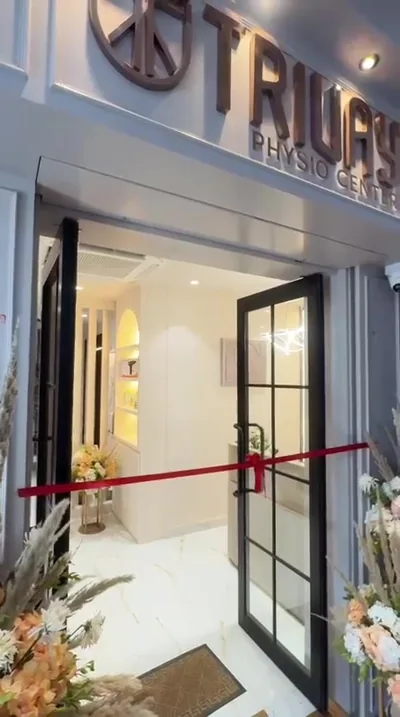
A meniscus tear causes knee pain and swelling. This hinders daily tasks like climbing stairs or sitting cross-legged. Cupping therapy reduces swelling before exercises.
Cupping targets knee swelling to prepare for physiotherapy. Our team offers it alongside manual therapy and exercises. Seek in-person assessment first for meniscus pain.
The meniscus is C-shaped cartilage in your knee. It cushions the thigh bone and shin bone, absorbs shock during steps or jumps.
Symptoms include knee pain, swelling, stiffness. You may hear a pop at injury. The knee might lock or give way.
Book assessment at Trivayu Physio Center, Vaishali Nagar, Jaipur. A physiotherapist tests your knee with specific moves.
Physiotherapist checks signs, stability, motion range and muscle strength. They palpate the joint line for tenderness and test for fluid.
Inflammation traps fluid in the joint, worsening pain and pressure. Stairs, cross-legged sitting or getting out of a car become tough.
Cupping draws out excess fluid, clearing space for movement. It boosts local blood flow to nourish tissues. Expect mild redness or circular marks fading in days.
Physiotherapists monitor skin response and adjust for sensitive areas near the joint.
Physiotherapy for meniscus pain focuses on pain relief, swelling control and safe loading. Start with rest to protect the tear. Avoid deep squats, lunges or pivots.
Progress phases: acute (swelling control), sub-acute (mobility), strengthening (stability), return to sport (agility). A physiotherapist designs based on tear location and your activity level.
Key tools: cupping for inflammation, ice for numbing, manual therapy for joint glide. Track pain on a 0-10 scale daily. Adjust if score rises above 4 during activity.
Cupping uses suction cups on skin over the knee, joint line, above kneecap and sides. Suction pulls blood to surface, boosts circulation, drains fluid from joint. Looking for a Physiotherapist in Jaipur? Our team in Vaishali Nagar, Jaipur can assess you in person.
Less swelling improves mobility, prepares knee for exercises without added pressure. Physiotherapists adjust pressure based on skin tolerance and swelling size.
Cupping promotes healing by softening scar tissue around tear edges. In sports injury rehab, it fits early stages to speed return to training.
Session starts with assessment of swelling size, pain level, range of motion and skin condition. Physiotherapist marks swollen areas.
Focus: reduce knee swelling before exercise. Sessions last 20-30 minutes. Repeat 2-3 times weekly at first, then taper. Wear loose shorts or shorts for access.
At home, mimic light strokes with hands if approved.
Reducing knee swelling before exercise prevents flare-ups. Elevate leg above heart 20 minutes, 3-4 times daily. Use snug elastic bandage from ankle to thigh, not too tight—check toes stay pink.
Ice wrapped in cloth 15 minutes every 2 hours. Pump ankle up-down 20 times hourly to activate calf muscle pump. Avoid heat or alcohol, which increase swelling.
Self-massage: gentle strokes from knee edges upward, 5 minutes twice daily. Test readiness: try heel slide on bed without pain rise. Cupping at clinic accelerates this for quicker exercise start. Read more about our Pain Management.
Control inflammation first with cupping, ice, compression and elevation—known as RICE method. Ice numbs pain, shrinks blood vessels to reduce swelling. Compression wrap supports joint without squeezing.
Sequence: rest early days, avoid deep knee bends. Cupping speeds lymphatic drainage. Add self-massage along shin and thigh edges upward daily, 5 minutes.
Test progress with heel slides: lie on back, slide heel toward buttocks without pain. Pause if swelling increases next day. Physiotherapist teaches proper form to avoid compensating with hip.
Cupping pairs with physiotherapy sequence. First, reduce swelling with cupping and RICE, then gentle range like heel slides and knee glides.
Build with isometric exercises: tighten thigh muscle 5 seconds, relax, 10 repeats, 3 sets. Progress to straight leg raises: lie back, lift straight leg 6 inches, hold 5 seconds. You may also find Cupping for Meniscus Tear Swelling in Jaipur useful.
Clinical Pilates on reformer teaches controlled knee presses against resistance bar, building stability. Myofascial release uses foam roller on thighs or therapist hands to release tight bands.
Advance to one-leg balance on stable surface, eyes open, 30 seconds. Add agility: side steps, forward-back shuffles. For sports, mimic cutting drills with cones. Physiotherapist corrects form, checks knee tracking.
Results vary by tear type, age and compliance. Weekly check-ins adjust plan; home exercises daily. Track pain 0-10 and swelling.
204, 2nd Floor, Om Tower, Gandhi Path Road, Nemi Nagar, Vaishali Nagar, Jaipur, Rajasthan 302021. Also Vidyadhar Nagar, Rangoli Gardens. Hours: Mon-Sat 8am-8pm, Sun 10am-1pm.
Dr. Jyoti Choudhary leads sports injury care, 17+ years experience with Rajasthan Senior Women’s Cricket Team. Dr. Hritika Choudhary specialises in post-op rehab. Dr.
Contact +91 90570 65065 or WhatsApp https://wa.me/919057065065 for cupping meniscus tear Jaipur or knee pain cupping treatment.
Suction cups on knee draw out fluid, improve blood flow, control inflammation. Lifts skin layers to release tight fascia around joint.
Yes, suction promotes lymphatic drainage and circulation. Lessens joint pressure. Circular marks fade in days, show treated areas.
Yes, when done by trained physiotherapists. Prepares knee by clearing fluid. Avoid if skin breaks, infection or blood clot risk. Always assess first.
Trivayu Physio Center in Vaishali Nagar and Vidyadhar Nagar. Tailored sports injury knee rehab plans.
Reduces inflammation and swelling fast. Improves blood flow to tear site, eases nerve pressure. Combine with physio exercises and ice.
Elevate above heart 20 min. Snug elastic bandage ankle-to-thigh. Ice 15 min every 2 hours. Ankle pumps 20 reps hourly. Light upward massage.
In summary, cupping targets meniscus tear inflammation and knee swelling. It prepares for effective physiotherapy and sports injury knee rehab in Jaipur. Individual plans at Trivayu ensure steady progress toward knee health. Book in-person assessment for your meniscus pain. Call +91 90570 65065 or WhatsApp https://wa.me/919057065065.
Physiotherapy is not the right first step for everything. Seek medical assessment promptly if any of the following apply to you:
If you lose control of your bladder or bowels, develop numbness around the groin, or have chest pain or breathlessness, treat it as an emergency and go to hospital.
Truly thankful to Dr. Jyoti Choudhary and the entire team of Trivayu Physio Centre for their genuine care, humble behaviour, and excellent treatment.
Mahesh Dhaka, Google review
This is one patient's own account, published with consent on our reviews page. It describes their experience, not a predicted outcome. Individual results vary.
Backward walking helps athletes recover from ACL injuries. It builds knee stability in Phase 2 of rehab. This exercise targets quadriceps and improves control after surgery…
Read articleAfter ACL surgery, rebuilding knee strength takes time and care. ACL rehabilitation phases guide this process step by step. Phase 1 protects the graft and cuts…
Read articleAfter hip replacement surgery, dressing your lower body safely helps build independence. By week 6 of hip replacement recovery, many patients aim to dress without help.…
Read articleMessage us on WhatsApp with your main concern and preferred time, and we'll confirm your first visit the same day.