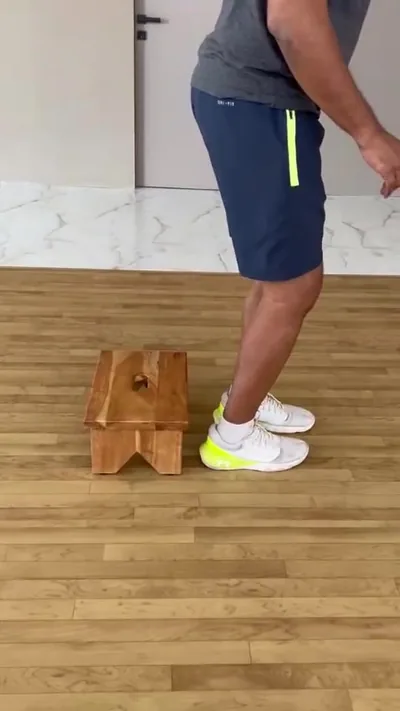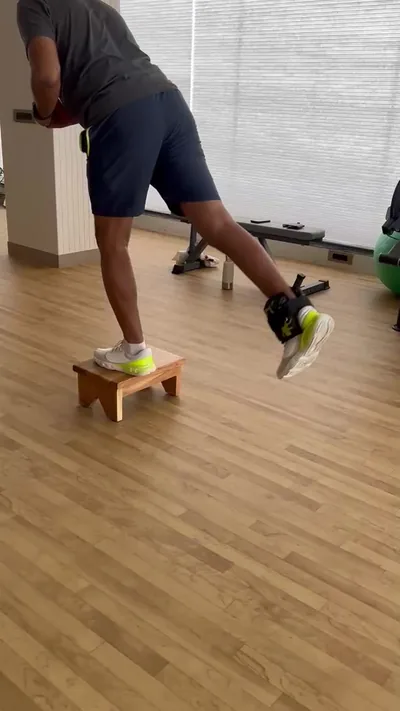
Backward Walking in ACL Rehab Phase 2
Backward walking helps athletes recover from ACL injuries. It builds knee stability in Phase 2 of rehab. This exercise targets quadriceps and improves control after surgery…
Read article

Frozen shoulder causes pain and stiffness that limits daily tasks. Cupping therapy uses suction on the skin to ease this.
This guide explains your first cupping session for frozen shoulder. It covers the process, what to expect, and how it may help range of motion.
Middle-aged people often face frozen shoulder, known as adhesive capsulitis. Cupping aims to improve blood flow and loosen tight tissues.
Cupping therapy places cups on the skin to create suction. This pulls on tissues under the skin. For frozen shoulder, cups go on the shoulder and upper back.
The suction lifts skin and muscles. It may boost blood flow to stiff areas. At Trivayu Physio, we offer cupping therapy as part of shoulder pain care. Looking for a Physiotherapist in Jaipur? Our team in Vaishali Nagar, Jaipur can assess you in person.
This method targets frozen shoulder stiffness. It works on tight capsule around the joint. Results vary based on your condition. Cups come in glass, plastic or silicone.
Frozen shoulder, or adhesive capsulitis, thickens the shoulder joint capsule. This leads to pain and less range of motion. Middle-aged patients often report trouble lifting arms. Read more about our Posture Correction.
Cupping improves blood flow to the area. Better circulation may reduce stiffness over time. It can ease shoulder pain by relaxing muscles.
Suction breaks adhesions in soft tissues around the shoulder. This may allow freer joint glide.
Your session starts with assessment. A physiotherapist like Dr. Jyoti Choudhary checks your shoulder range and pain. She tests external rotation, abduction and flexion. This finds stiff spots. You may also find First Cupping Therapy Session for Knee Arthritis in Jaipur useful.
Next, we clean the skin with alcohol wipes. Cups are placed on stiff spots around the shoulder, like deltoid, trapezius and infraspinatus. Suction comes from a pump or heat.
Session lasts 15-30 minutes. We use dry cupping, with no oils at first. Dr. Hritika Choudhary or team members guide you.
During the session, cups stay put for static hold or move for gliding. Static suits deep stiffness. Gliding covers shoulder blade area.
Step one: Lie face down on treatment table. Physio exposes your upper back and shoulder.
Step two: Mark trigger points. These are tender knots causing pain referral to arm.
Step three: Apply cups. Press cup firmly on skin. Pump air out 3-5 times for mild suction. Stronger pull needs 8-10 pumps.
Step four: Leave cups 5-10 minutes per spot. Watch skin colour change from pink to red.
Step five: Remove cups gently. Massage area lightly to spread blood flow.
For moving cupping, add oil. Slide cup in circles over shoulder. This releases fascia without deep marks.
Painless cupping treatment adjusts to your tolerance. Start light. Build as muscles loosen.
We use dry cupping for frozen shoulder. Cups stay in place or slide over oiled skin. Dry static cupping pulls on joint capsule edges.
Often paired with manual therapy or myofascial release. Dry needling with stimulation targets trigger points. Class IV high power laser therapy aids if needed.
These ease stiffness without pain. Focus stays on improving range of motion. For adhesive capsulitis cupping, target front and side of shoulder. This fights internal rotation loss.
Adhesive capsulitis cupping focuses on capsule thickening. Suction stretches shrunken tissues. Place cups at joint line to lift capsule edges.
For shoulder pain cupping, hit pain referral zones. Upper back cups draw flow to inflamed rotator cuff.
Physio checks range before and after. Note gains in overhead reach or arm cross-body pull. Repeat sessions build on this.
Wear loose top for easy access. Avoid lotions or oils on skin that day. Eat light meal before to prevent dizziness.
Inform physio of skin issues, blood thinners or recent bruises. Hydrate well. Bring water bottle.
During session, relax arms at sides. No tight gripping. This lets suction work deeper.
Cupping marks appear as red or purple circles. These show blood flow increase. Marks fade in 3-10 days.
Mild soreness may last a day. Drink water to flush toxins. Rest the shoulder. Avoid heavy lifting or overhead work.
Gentle stretches help maintain gains. Try pendulum swings: Lean forward, let arm hang, circle slowly 10 times each way.
Avoid hot showers first 4 hours. Loose clothes prevent rubbing marks.
Book follow-ups based on progress. Visit Trivayu Physio at Vaishali Nagar or Vidyadhar Nagar for checks. Track home range of motion daily.
Frozen shoulder limits motion in all directions. External rotation drops first. Abduction and flexion follow.
Physio measures with goniometer. Cupping may improve glide after 2-3 sessions. Pair with wall walks: Face wall, walk fingers up slowly.
Sleeper stretch helps: Lie on stiff side, use other hand to push forearm down gently. Hold 20 seconds.
No rush. Stiffness eases stage by stage. Assessment tracks true change.
Trivayu Physio Center serves Vaishali Nagar and Vidyadhar Nagar. Open Mon-Sat 8 am to 8 pm, Sun 10 am to 1 pm.
Team includes Dr. Jyoti Choudhary with 17+ years in sports and orthopaedics. Contact via WhatsApp or phone at +91 90570 65065.
Start with consultation for cupping frozen shoulder in Jaipur. Trivayu Physio cupping uses safe, clinical grade tools.
Cupping uses suction cups on shoulder skin to lift tissues. It aims to boost blood flow and ease stiffness from adhesive capsulitis.
Assessment first, then cup placement on shoulder. Lasts 15-30 minutes with dry cupping. Team explains each step. Monitors your feel.
It feels like strong pull, not sharp pain. Painless for most. Tell your physio if uncomfortable. We lighten suction right away.
Varies by person. Often several over weeks. Assessment sets your plan based on range checks.
Cupping marks and light soreness. They fade soon. Follow home tips for best results. See motion ease next day.
Yes, when done by trained physios like at Trivayu. Get in-person check first. Avoid if open wounds or fever.
Cupping may help your frozen shoulder stiffness. Each case needs proper assessment. Contact Trivayu Physio via WhatsApp or phone at +91 90570 65065 to book.
Physiotherapy is not the right first step for everything. Seek medical assessment promptly if any of the following apply to you:
If you lose control of your bladder or bowels, develop numbness around the groin, or have chest pain or breathlessness, treat it as an emergency and go to hospital.
Truly thankful to Dr. Jyoti Choudhary and the entire team of Trivayu Physio Centre for their genuine care, humble behaviour, and excellent treatment.
Mahesh Dhaka, Google review
This is one patient's own account, published with consent on our reviews page. It describes their experience, not a predicted outcome. Individual results vary.
Backward walking helps athletes recover from ACL injuries. It builds knee stability in Phase 2 of rehab. This exercise targets quadriceps and improves control after surgery…
Read articleAfter ACL surgery, rebuilding knee strength takes time and care. ACL rehabilitation phases guide this process step by step. Phase 1 protects the graft and cuts…
Read articleAfter hip replacement surgery, dressing your lower body safely helps build independence. By week 6 of hip replacement recovery, many patients aim to dress without help.…
Read articleMessage us on WhatsApp with your main concern and preferred time, and we'll confirm your first visit the same day.