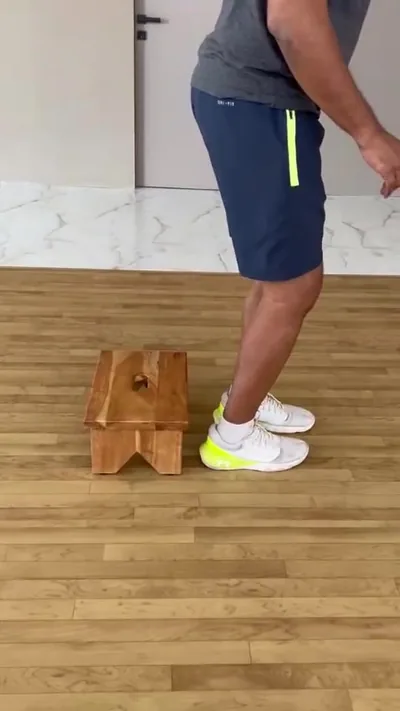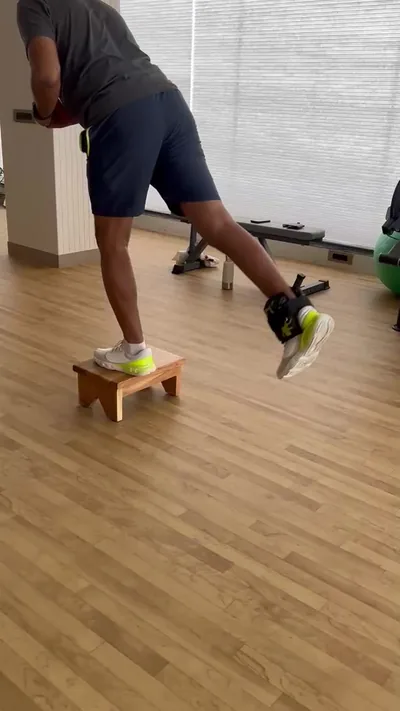
Backward Walking in ACL Rehab Phase 2
Backward walking helps athletes recover from ACL injuries. It builds knee stability in Phase 2 of rehab. This exercise targets quadriceps and improves control after surgery…
Read article
Cupping therapy offers relief from knee arthritis symptoms like stiffness and pain. It suits elderly patients seeking non-drug options. At Trivayu Physio Center in Vaishali Nagar, Jaipur, trained physiotherapists use this technique as part of pain management.
This guide explains your first cupping session for knee arthritis. It details preparation, step-by-step process around the knee, sensations, aftercare and safety. Cupping works alongside other physiotherapy to ease knee stiffness. For elderly knee stiffness treatment, physiotherapists adapt to gentle suction levels and shorter times.
Trivayu Physio Center treats knee pain with methods like cupping therapy. Book an in-person assessment to check if it fits your needs. Locations include Vaishali Nagar and Vidyadhar Nagar.
Cupping therapy places special cups on the skin to create suction. This pulls blood to the surface and loosens tight tissues. For knee arthritis, it targets pain and stiffness in the joint area.
The suction improves blood flow. It may reduce swelling and ease muscle tension around the knee. Patients often feel less stiff after sessions. This technique forms part of physiotherapy cupping in Jaipur.
Dry cupping knee joint uses no incisions or needles. Cups create vacuum on intact skin over quadriceps, hamstrings, calf muscles and knee sides. Physiotherapists choose points based on your pain map. For knee pain relief cupping, they focus on trigger points that refer pain to the joint.
Trivayu Physio Center in Vaishali Nagar offers cupping therapy. Physiotherapists apply it to knee arthritis symptoms. It pairs with manual therapy and exercise for better results. In elderly knee stiffness treatment, cupping helps mobilise stiff tissues without strain. Looking for a Physiotherapy Near Me? Our team in Vaishali Nagar, Jaipur can assess you in person.
Wear loose clothing for easy access to the knee. Choose pants that roll up above the knee or shorts. Avoid heavy meals two hours before to prevent discomfort during suction.
Stay hydrated but do not drink too much right before. This keeps skin supple and aids blood flow. Shave any thick hair on the knee area if needed, as it can weaken suction.
Share your medical history with the physiotherapist. Mention arthritis details, medicines, blood thinners, skin conditions or recent falls. Note if you have varicose veins or fragile skin, common in elderly patients. This ensures safe cupping for knee pain, especially dry cupping knee joint.
Avoid lotions, oils or perfumes on legs that day. Skip caffeine or alcohol 24 hours prior, as they affect circulation. Arrive 10 minutes early to relax.
Visit Trivayu Physio Center at 204, 2nd Floor, Om Tower, Gandhi Path Road, Nemi Nagar, Vaishali Nagar, Jaipur. Also available at Vidyadhar Nagar, Rangoli Gardens. Call +91 90570 65065 or WhatsApp to book. Hours: Monday to Saturday 8:00 am to 8:00 pm, Sunday 10:00 am to 1:00 pm.
The physiotherapist starts with an assessment. They check your knee movement, pain spots and skin condition. They test range of motion by bending and straightening the knee gently. Palpate muscles for tight knots. This guides cup placement for cupping therapy procedure arthritis. Read more about our Orthopaedic Physiotherapy.
Next, they clean the knee area with alcohol wipes. Cups go on points around the knee joint, like above the kneecap, below it, inner and outer sides, and back of knee. Dry cupping knee joint avoids wet methods for safety.
For what to expect cupping knee, the process builds gradually:
Dr. Jyoti Choudhary or team members handle the session. They use cupping therapy steps for knee arthritis. The process lasts 20-30 minutes total. In physiotherapy cupping Jaipur style, they integrate heat pads first if stiffness blocks suction.
For knee pain relief cupping, physiotherapists add flash cupping: quick on-off suction to stimulate nerves without marks. Elderly get fewer cups to avoid overload.
You may feel a tight pull from suction. It can warm the area or cause mild ache like a deep stretch. Most find it relaxing, not painful. Breathe deeply to ease tension.
If gliding, cups move like a massage with pull. Signal if too strong; physiotherapists adjust instantly. For elderly knee stiffness treatment, they watch for dizziness or fatigue.
Red or purple marks appear after. These are petechiae from broken capillaries. They fade in 3-10 days and show blood flow improved. Lighter marks mean gentler suction.
Safety matters for elderly knee stiffness treatment. Physiotherapists like Dr. Jyoti Choudhary, with 17+ years in orthopaedics, monitor you. They adjust for skin sensitivity and arthritis. Skip if active infection, open wounds or severe osteoporosis. Cupping suits most but needs assessment first. Dry cupping knee joint lowers risks over wet types. You may also find Cupping After Knee Replacement Day 1 useful.
Rest the knee lightly. Avoid baths, saunas or heavy exercise for 24 hours. Hot showers loosen marks too soon. Wear loose clothes over marks.
Drink water to flush toxins. Apply lotion to dry skin. Relief from knee stiffness may start soon after or build over sessions. Walk gently to test improved movement.
Watch for swelling or bruising beyond marks; contact clinic if so. For knee pain relief cupping effects, note less ache in stairs or sitting. Elderly patients report easier bending.
Follow up at Trivayu for knee arthritis treatment in Vaishali Nagar. Combine with exercises like straight leg raises for lasting knee pain relief from cupping. Physiotherapists teach home stretches to maintain gains.
Trivayu Physio Center excels in pain management and sports injury rehab. Team includes Dr. Jyoti Choudhary for orthopaedics and Dr. Hritika Choudhary for advanced therapy.
Cupping joins techniques like Class IV laser, TECAR and manual therapy. Physiotherapists blend cupping with joint mobilisation: they rock the knee gently post-suction to free cartilage stickiness.
For physiotherapy cupping Jaipur, staff tailor to local lifestyles like squatting or walking on uneven roads. Locations in Vaishali Nagar and Vidyadhar Nagar serve Jaipur patients.
Staff explain treatments clearly. Book an in-person assessment to start cupping for knee pain. They assess gait to place cups on load-bearing muscles.
Physiotherapy is not the right first step for everything. Seek medical assessment promptly if any of the following apply to you:
If you lose control of your bladder or bowels, develop numbness around the groin, or have chest pain or breathlessness, treat it as an emergency and go to hospital.
Truly thankful to Dr. Jyoti Choudhary and the entire team of Trivayu Physio Centre for their genuine care, humble behaviour, and excellent treatment.
Mahesh Dhaka, Google review
This is one patient's own account, published with consent on our reviews page. It describes their experience, not a predicted outcome. Individual results vary.
Backward walking helps athletes recover from ACL injuries. It builds knee stability in Phase 2 of rehab. This exercise targets quadriceps and improves control after surgery…
Read articleAfter ACL surgery, rebuilding knee strength takes time and care. ACL rehabilitation phases guide this process step by step. Phase 1 protects the graft and cuts…
Read articleAfter hip replacement surgery, dressing your lower body safely helps build independence. By week 6 of hip replacement recovery, many patients aim to dress without help.…
Read articleMessage us on WhatsApp with your main concern and preferred time, and we'll confirm your first visit the same day.