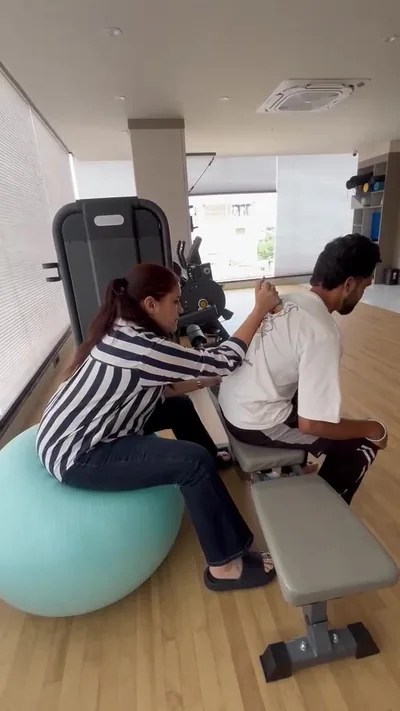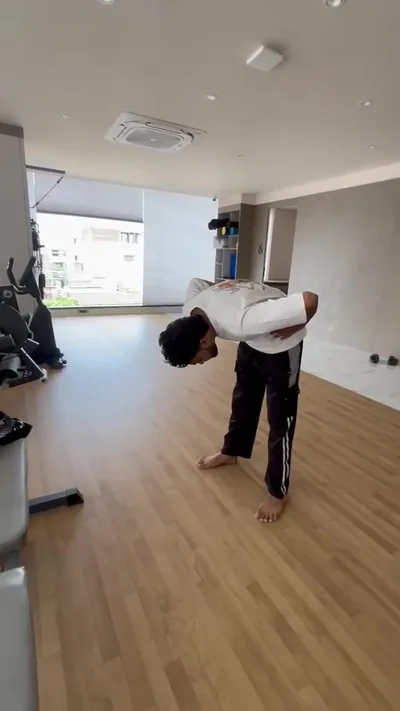
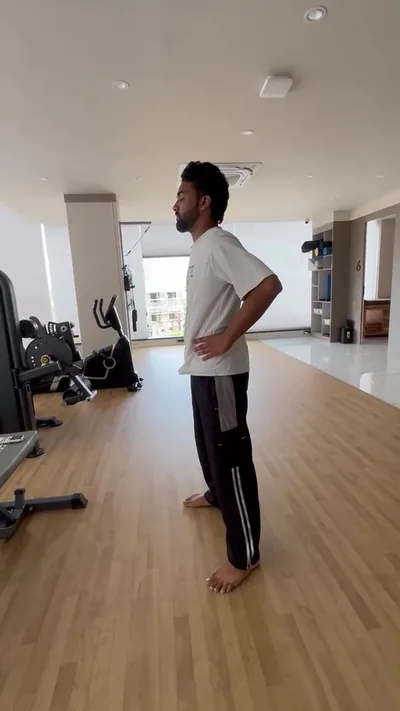
Is Side Bending Safe with L4 L5 Herniated Disc
An L4 L5 herniated disc happens when the disc between your fourth and fifth lumbar vertebrae bulges or ruptures. This presses on nearby nerves, causing pain…
Read article

Cupping therapy for frozen shoulder creates suction on skin to loosen tissues. It improves blood flow and eases stiffness in the stuck phase, where tight capsule causes pain.
Cupping targets capsular tightness without invasion. Trivayu Physio Center offers Cupping Therapy for frozen shoulder in Jaipur.
This guide covers first session details, cupping marks, and aftercare. It explains spots and relief expectations, physiotherapist checks, and home management.
Cupping uses glass or plastic cups on skin. A pump or flame creates suction, pulling skin and tissues upward.
In frozen shoulder, the joint capsule tightens, limiting movement and causing pain. This capsular tightness traps the shoulder in a stiff, stuck phase. Cupping applies suction to shoulder muscles near the joint. It releases tight fascia and improves circulation.
A physiotherapist selects spots based on pain and stiffness. They test movements like arm raise, outward rotation, or cross-body reach to gauge capsular tightness. Tight spots get cups to lift muscle and connective tissue layers. Trivayu Physio Center provides Cupping Therapy.
Sessions focus on rotator cuff under the deltoid, which tightens with capsular issues. Suction draws fluid, reducing buildup that adds stiffness. Physiotherapists also target the upper trapezius and levator scapulae, where tension from guarding the shoulder builds up.
Cupping works best in the freezing or frozen stages, when pain limits sleep and work. It pairs with gentle mobility work to address capsular tightness step by step.
Session starts with assessment. Physiotherapist checks shoulder range and pain points. They note arm lift height, outward rotation angle, or cross-body reach distance to gauge capsular tightness.
Cups go on upper shoulder, trapezius, deltoid, infraspinatus near shoulder blade, and levator scapulae at neck-shoulder junction. Suction strength matches tolerance, starting light for first-timers. Physiotherapist explains each spot: trapezius for neck referral pain, deltoid for overhead stiffness, infraspinatus for rotation block. Looking for a Rehabilitation Centre Near Me? Our team in Vaishali Nagar, Jaipur can assess you in person.
Session lasts 10-20 minutes. You lie face down or sit upright. Most feel pulling or warmth, not sharp pain. Physio watches for colour changes under cups and adjusts for even coverage.
First spots show red or purple circles. Darker marks mean more stagnation from chronic tightness. Progress builds over sessions. Warmer shoulder or less pulling sensation signals response. Physiotherapist notes if one side responds faster, adjusting next plan.
Breathe steadily through nose to relax. Physio guides neck and jaw relaxation, as clenching worsens shoulder pull. End with a quick re-check of arm raise to note immediate ease.
Marks from suction draw blood to surface, showing stagnant blood and tightness. On frozen shoulder, spots cluster on shoulder top, upper back, and neck junction. Light red means mild tension; dark purple or blackish shows deeper stagnation from months of immobility.
Brighter colours over time suggest better flow. Marks fade in 3-10 days. Shoulder blade edge spots darken first if scapular muscles compensate for joint lock. Physiotherapist maps spots to your pain pattern: darker near deltoid signals overhead block, purple trapezius for headache link.
Marks confirm depth reached. Do not rub or scratch. Physio explains pattern at follow-up. For shoulder stiffness, marks cluster around joint line, targeting capsule indirectly. Persistent dark marks may prompt scapular setting exercises. More on Frozen Shoulder Treatment and how we assess it.
In first session, expect 6-10 spots, 5-7 cm wide, spaced 2-3 cm apart. They peak in colour day two, then lighten. If marks stay tender beyond three days, physio checks for over-suction.
Rest shoulder 24 hours. Avoid lifting over 2 kg, overhead reaches, or heavy bags. Drink 2-3 litres water daily to flush waste from suction. Eat light food like fruits, veggies, dal; skip fried, spicy, or caffeine that tenses muscles.
Avoid hot baths, saunas, direct sun, or ice first day. Wear loose clothes over marks. No lotions, oils, or tight straps on spots to prevent irritation.
Limit exercise; gentle walks okay. After 24 hours, try pendulum swings: lean forward, let arm hang, circle slowly 10 times each way. Manual Therapy may pair if advised for extra joint glide.
Mild soreness normal, like post-workout ache. Contact clinic if marks swell, blister, worsen colour, or if fever, dizziness, or pain spikes occur. Book follow-up in 3-5 days. Track arm range daily with phone photos of reach height. You may also find First Cupping Session Frozen Shoulder Adhesions useful.
Hydration clears lactic acid buildup. Gentle heat like warm towel after day one soothes itch without rubbing. Sleep with soft pillow under arm to avoid roll pressure. Avoid driving if shoulder pulls on wheel.
For pain relief, cupping shoulder sessions often bring warmth lasting hours. Combine aftercare with wall slides: face wall, slide hand up slowly to first sticky point, hold 10 seconds, 5 reps twice daily after day one.
Cupping eases shoulder stiffness by lifting adhered layers around the capsule. Patients often report less night pain after two sessions, as blood flow reduces inflammation signals. Physiotherapist monitors relief by re-testing rotation: if arm turns outward easier, capsule pull lessens.
For frozen shoulder pain relief, spots focus on pain referral zones. Trapezius cups cut neck tension that feeds shoulder ache. Deltoid suction softens cover over rotator cuff, aiding combing or reaching shelf.
What to expect: first session brings subtle looseness, like joint oiled. By third, stiffness drops enough for shirt buttoning without wince. Pair with home pendulums for lasting glide. If stiffness persists, physio adds scapular squeezes: pull shoulder blades down and back 10 times hourly.
At 204, 2nd Floor, Om Tower, Gandhi Path Road, Nemi Nagar, Vaishali Nagar, Jaipur. Also Vidyadhar Nagar, Rangoli Gardens.
Dr. Jyoti Choudhary leads with 17+ years in orthopaedics. Serves Rajasthan Senior Women’s Cricket Team. Team: Dr. Hritika for electrotherapy, Dr. Ishu for exercise therapy.
Offer Cupping Therapy with Dry Needling, Robotic Spinal Decompression. Open Mon-Sat 8 am-8 pm, Sun 10 am-1 pm.
Staff explain clearly. Book assessment for cupping plan tailored to your capsular tightness.
Cups on shoulder top, upper back, neck base. Marks round red-purple spots, 5-7 cm wide, spaced 2-3 cm. Trapezius spots largest for stiffness referral.
Fade 3-10 days. Hydration speeds it. Darker from tightness last longer; lighter by session three as flow improves.
Rest 24 hours, hydrate well, avoid heat or strain. No lotions. Gentle pendulum swings after day one. Soft pillow for side sleep.
Feels like strong pull or mild pinch. Most tolerate well. Tell physio immediately to lighten suction.
Some easier movement same day. Builds over sessions with less night ache. Pair with daily wall climbs for faster stiffness drop.
Rarely if suction too strong or skin issue ignored. Trained physios start light and check feedback. Mild ache fades in hours.
Suction lifts overlying tissues, eases capsule pull. Improves muscle glide around joint. Follows with mobility tests for progress.
Cupping aids stuck phase relief. Combine with physio advice for best shoulder function.
Book at Trivayu Physio Center. WhatsApp or call +91 90570 65065.
Physiotherapy is not the right first step for everything. Seek medical assessment promptly if any of the following apply to you:
If you lose control of your bladder or bowels, develop numbness around the groin, or have chest pain or breathlessness, treat it as an emergency and go to hospital.
Truly thankful to Dr. Jyoti Choudhary and the entire team of Trivayu Physio Centre for their genuine care, humble behaviour, and excellent treatment.
Mahesh Dhaka, Google review
This is one patient's own account, published with consent on our reviews page. It describes their experience, not a predicted outcome. Individual results vary.
An L4 L5 herniated disc happens when the disc between your fourth and fifth lumbar vertebrae bulges or ruptures. This presses on nearby nerves, causing pain…
Read articleShopkeepers in Jaipur often stand for long hours behind counters. This prolonged standing can trigger sciatica pain. Sciatica happens when the sciatic nerve gets irritated, often…
Read articleHerniated disc night pain disrupts sleep for many. The disc bulge presses on nerves, causing sharp back pain or sciatica that flares up at night. Simple…
Read articleMessage us on WhatsApp with your main concern and preferred time, and we'll confirm your first visit the same day.