Is Side Bending Safe with L4 L5 Herniated Disc
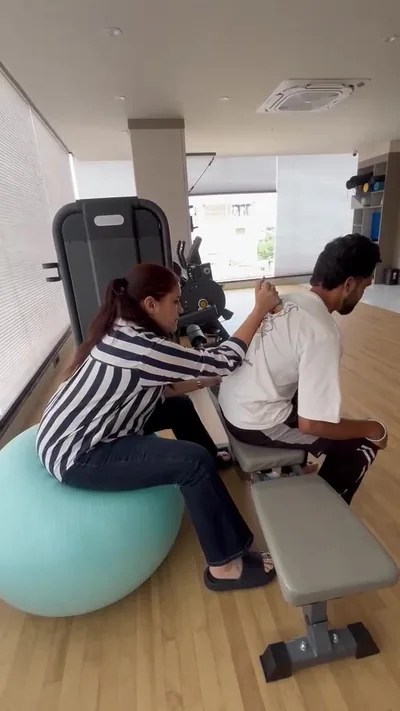
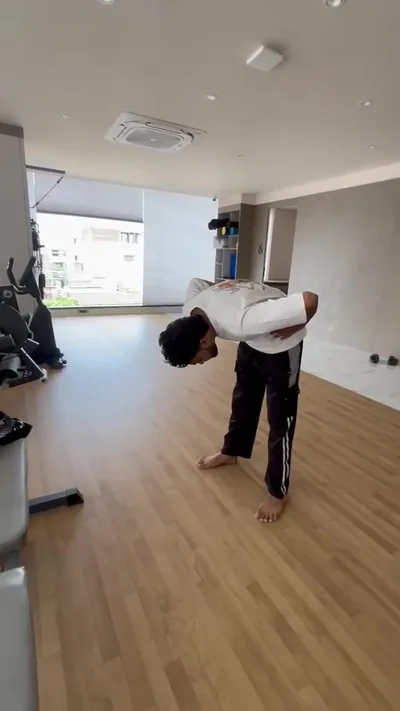
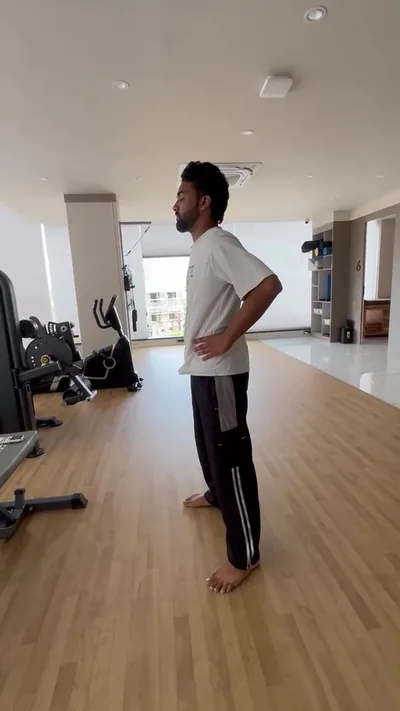
An L4 L5 herniated disc happens when the disc between your fourth and fifth lumbar vertebrae bulges or ruptures. This presses on nearby nerves, causing pain…
Read article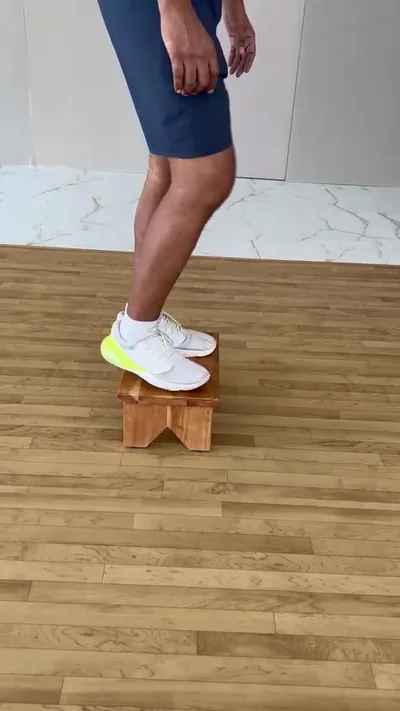

Ankle sprains sideline Jaipur cricket fielders. Quick stops, dives and turns cause them. Recovery rebuilds strength and agility for safe return. Jaipur physios focus on fielders’ needs like lateral cuts and explosive starts.
These drills focus on gradual progress. Start after pain-free walking and basic strength. Get physio assessment first. They test range of motion, balance and strength. They check instability before sport-specific work.
Trivayu Physio Center in Vaishali Nagar and Vidyadhar Nagar aids Jaipur cricketers with sports injury rehab. Dr.
Fielders sprain ankles from sudden direction changes. Awkward landings on boundaries or dives strain ligaments. Uneven Jaipur outfields add risk. Patchy grass or hard patches twist the foot during chases.
Symptoms: sharp pain, swelling, bruising. Weight-bearing hurts. Movement limits. Outer ligaments like anterior talofibular strain most in twists. Physios grade sprains by swelling and motion loss. Grade 1 allows walking; grade 3 needs crutches initially.
Agility defines fielders. It enables fast reactions. Full recovery restores it. Without it, performance drops and re-injury risk rises. Physios match exercises to roles: pivots for boundary fielders, sprints for infield. Looking for a Rehabilitation Centre Near Me? Our team in Vaishali Nagar, Jaipur can assess you in person.
See a physiotherapist before drills. They check stability and rule out fractures. At Trivayu, experts assess for cricket agility drills. They use hands-on tests and gait watch. Balance tests on foam mimic outfield bumps.
Start with rest and ice for swelling. Protect with taping or bracing. Elevate foot above heart. Use compression, not too tight. Ice 15-20 minutes every 2 hours first days. Avoid heat early.
Build strength next. Gentle range-of-motion leads to weight-bearing. Manual Therapy eases stiffness and joint play. Physios mobilise ankle with circles or slides for smooth movement.
Agility phase mimics fielding. Sports rehab prepares for cricket loads. Transition slowly. Physios add elements like reacting to thrown balls while balancing. They progress from straight-line walks to curved paths matching boundary arcs. More on Ankle Pain Treatment and how we assess it.
Orthopaedic Rehabilitation builds controlled loading for fielding stresses. Electrotherapy calms pain and swelling. Expect ultrasound to reduce deep inflammation before strengthening.
Build stable base before agility. Do daily if pain mild. Physio shows form to avoid knee strain. Breathe steadily; keep core tight. Stop if ankle wobbles.
Progress to single-leg hops. Low reps. Stop if pain exceeds mild. Hop forward 5 times, then side-to-side. Physio may add wobble board. Do 3 sets of 5-8 hops per direction.
Wear supportive shoes. Tape for stability. Progress pain-free. Taping figures-eight for medial support in lateral moves. Practice taping weekly to build confidence.
Ankle strengthening cricket routines start isometric holds. Press foot into wall without moving, 10 seconds, 5 reps. Advance to resisted plantarflexion with band for push-off power in sprints. You may also find Cricket Ankle Sprain Recovery Drills for Fielders useful.
These restore fielder agility post-injury. Use flat ground. Warm up 5 minutes marching, ankle circles. Physio tailors to role: lateral for slips, sprints for covers. Sessions last 20-30 minutes; cool down with stretches.
Adapt post-injury: shorten distances, rest between. Control over speed. 2-3 sessions weekly. Physio corrects form, like soft knees on landings. Add sport rehab for fielders with dive simulations on mats.
Track swelling, pain daily. Mild ache okay; sharp means stop. Ice 15 minutes post-session. Measure girth for swelling. Use tape measure around ankle; note changes.
Log reps, pain, steadiness. Example: week 1, 5m shuttles; week 2, 7m.
Pause for swelling, instability, limping, “giving way”. Seek physio then. Red flags: popping sound at injury, numbness, calf pain.
Trivayu offers electrotherapy for inflammation. Experts like Dr. Hritika Choudhary tailor plans. Home visits, online suit players. Sessions use ultrasound or TENS before drills. Physios monitor with Y-balance test for asymmetry.
Return to fielding after sprain: pass single-leg hop test (20 hops distance equal both sides). No pain or swelling 24 hours post-drill.
Warm up dynamically: ankle circles, leg swings, 20m lunges. Add A-skips for ankle dorsiflexion prep.
Choose boots with ankle support, grip. Replace worn. Firm heels, cleats for dry soil. Check studs for even wear to avoid slips.
Maintain strength: weekly balance, calf work. Add low plyometrics later. Weekly single-leg bounds 10 reps.
Correct posture to avoid compensations. Trivayu teaches core drills for dive stability. Planks with leg lift build anti-rotation for throws.
Tape for matches if prone. Practice taped. Weekly foam mat balance for bumps. Stand single-leg 1 minute; toss ball against wall.
Timelines vary. Most wait 4-6 weeks for strength. Agility after clearance, often 8-12 weeks. Get assessed with hop tests.
Agility ladder, cone shuttles, controlled sprints. Start modified, pain-free. Progress under guidance. Add reactive once stable.
Yes. Reduces pain, builds strength, guides return. Trivayu specialises for local cricketers. Jaipur physio cricket injury focus on fielders.
Pass hop tests, balance on unstable surface. No pain/swelling post-activity. Physio confirms. Full matches after 2-3 pain-free nets.
Ladder drills, shuffles, reactive throws. Combine with strengthening. Progress to partner feeds. Add bounds for explosive fielding.
Isometrics to bands to hops. Sport-specific bounds. Weekly monitoring. Tailor to fielder position with lateral emphasis.
Phased: protect, motion, strengthen, agility, return. Hands-on plus home drills. Track with tests. Includes Jaipur cricket pitch simulations.
Reclaim your spot with smart recovery. Book at Trivayu Physio Center. WhatsApp +91 90570 65065 or call.
“`
Physiotherapy is not the right first step for everything. Seek medical assessment promptly if any of the following apply to you:
If you lose control of your bladder or bowels, develop numbness around the groin, or have chest pain or breathlessness, treat it as an emergency and go to hospital.
Truly thankful to Dr. Jyoti Choudhary and the entire team of Trivayu Physio Centre for their genuine care, humble behaviour, and excellent treatment.
Mahesh Dhaka, Google review
This is one patient's own account, published with consent on our reviews page. It describes their experience, not a predicted outcome. Individual results vary.
An L4 L5 herniated disc happens when the disc between your fourth and fifth lumbar vertebrae bulges or ruptures. This presses on nearby nerves, causing pain…
Read articleShopkeepers in Jaipur often stand for long hours behind counters. This prolonged standing can trigger sciatica pain. Sciatica happens when the sciatic nerve gets irritated, often…
Read articleHerniated disc night pain disrupts sleep for many. The disc bulge presses on nerves, causing sharp back pain or sciatica that flares up at night. Simple…
Read articleMessage us on WhatsApp with your main concern and preferred time, and we'll confirm your first visit the same day.